14201 South Dixie Highway, Palmetto Bay, FL 33176

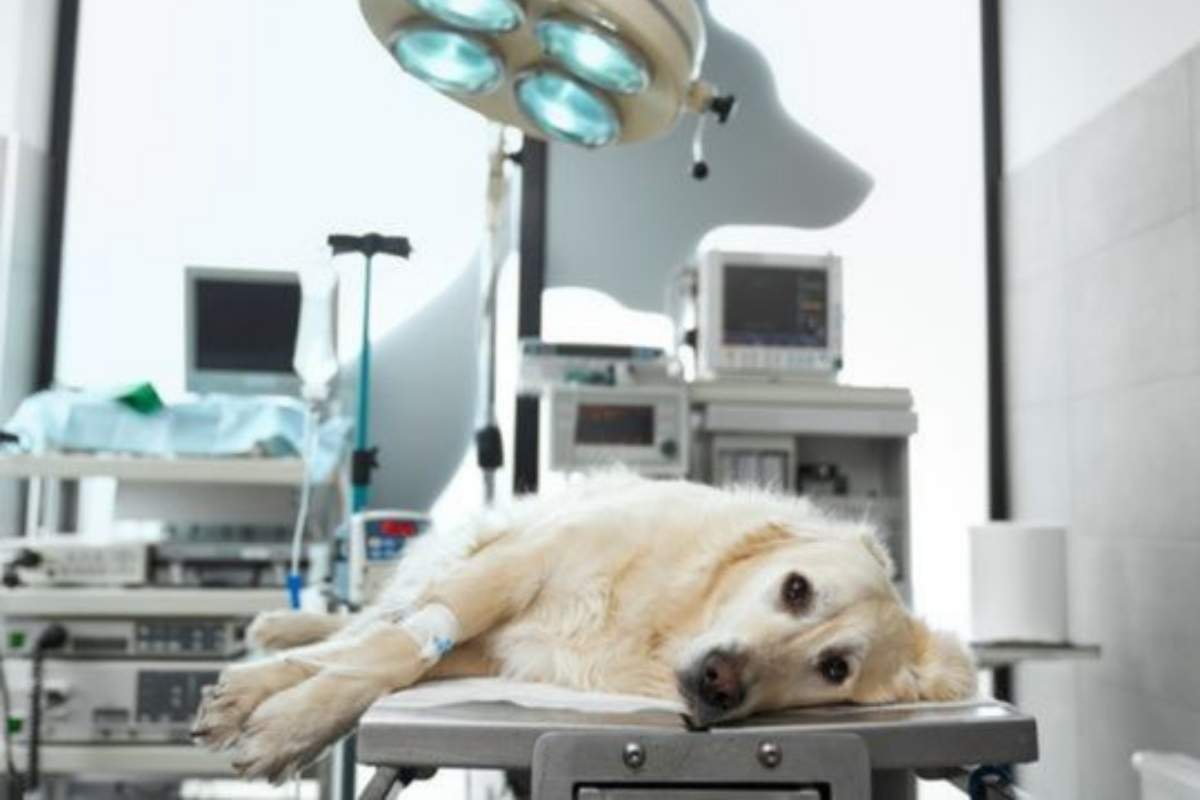
Hearing that your pet needs surgery can feel stressful for many pet owners. Whether the procedure is routine or more advanced, understanding the process can help you feel more prepared and confident about your pet’s care. From pre-surgical instructions to recovery at home, knowing what to expect at each stage plays an important role in supporting your pet’s safety and comfort.
Modern veterinary medicine has made pet surgery safer and more effective than ever. However, preparation and proper aftercare remain essential for a smooth recovery. If you live in Miami, FL, understanding the surgical process can also help you make informed decisions when choosing ongoing care for your dog or cat.
Why Pets May Need Surgery
Pets may require surgery for many reasons, including:
- Spaying or neutering
- Dental procedures
- Tumor removal
- Injury repair
- Foreign object removal
- Orthopedic conditions
- Emergency procedures
Some surgeries are preventive, while others are medically necessary to improve a pet’s quality of life.
Before Your Pet’s Surgery
Pre-Surgical Examination
Before surgery, veterinarians typically perform a physical examination to evaluate your pet’s overall health. This may include checking the heart, lungs, hydration levels, and body condition.
Bloodwork is often recommended to identify underlying health concerns that may affect anesthesia or recovery. Depending on your pet’s age and condition, additional diagnostics such as X-rays or ultrasound imaging may also be suggested.
Fasting Instructions
Most pets need to fast before anesthesia. Food is commonly withheld for several hours before surgery to reduce the risk of vomiting during the procedure.
Your veterinarian will provide specific instructions based on your pet’s age, health, and type of surgery. Water restrictions may vary depending on the situation.
Medication Review
Be sure to discuss any medications or supplements your pet currently takes. Some medications may need to be paused before surgery, while others should continue as directed.
Preparing Your Home for Recovery
Before your pet comes home, create a quiet and comfortable recovery area. Pets recovering from surgery often need limited activity, reduced stress, and easy access to food, water, and bedding.
Helpful preparations may include:
- Removing obstacles or stairs
- Setting up a clean resting space
- Keeping other pets separated if needed
- Preparing medications ahead of time
What Happens During Pet Surgery?
Anesthesia and Monitoring
During surgery, pets are placed under anesthesia to ensure they remain pain-free and still throughout the procedure. Veterinary teams carefully monitor heart rate, oxygen levels, blood pressure, and temperature during surgery.
Modern anesthesia protocols are designed to improve safety and reduce complications. Monitoring equipment helps the surgical team respond quickly if adjustments are needed.
Pain Management
Pain control is an important part of surgical care. Veterinarians may use a combination of medications before, during, and after surgery to help minimize discomfort.
Pain management plans vary depending on the procedure and your pet’s individual needs.
Surgical Procedure
The length and complexity of surgery can vary significantly. Some procedures take less than an hour, while others may require extended monitoring and hospitalization.
After surgery is complete, pets are closely observed as they wake from anesthesia.
What to Expect After Surgery
Recovery From Anesthesia
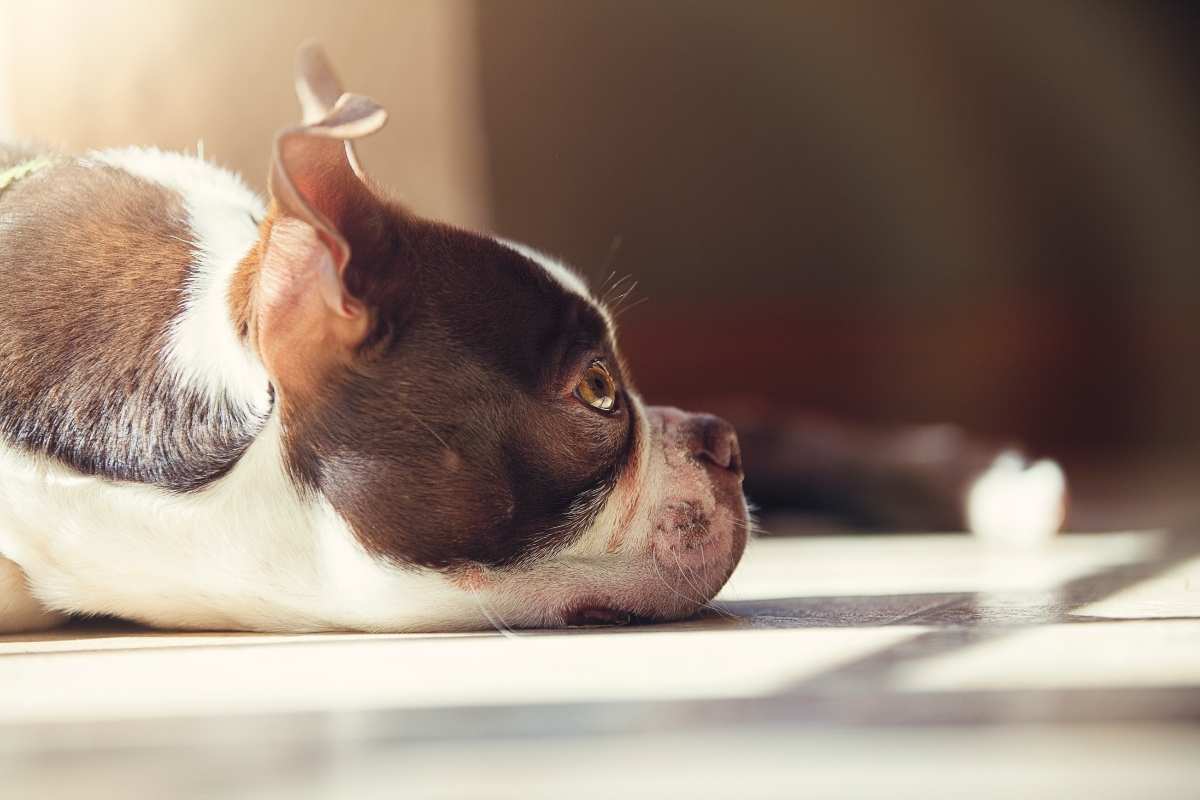
It is normal for pets to appear sleepy, groggy, or slightly unsteady after surgery. Some pets may also experience temporary changes in appetite or mild nausea.
Most pets gradually return to normal behavior within 24 to 48 hours, although recovery times vary based on the procedure performed.
Incision Care
If your pet has stitches or an incision site, monitoring it daily is very important. Mild redness and swelling can be normal initially, but worsening inflammation, discharge, or bleeding should be reported to your veterinarian.
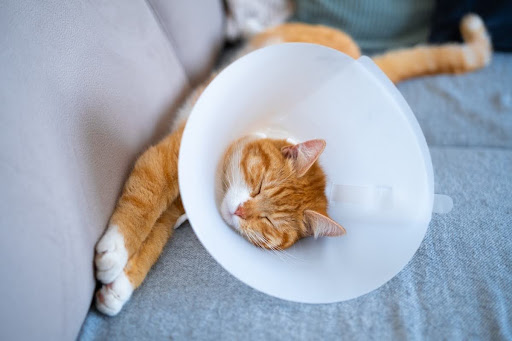
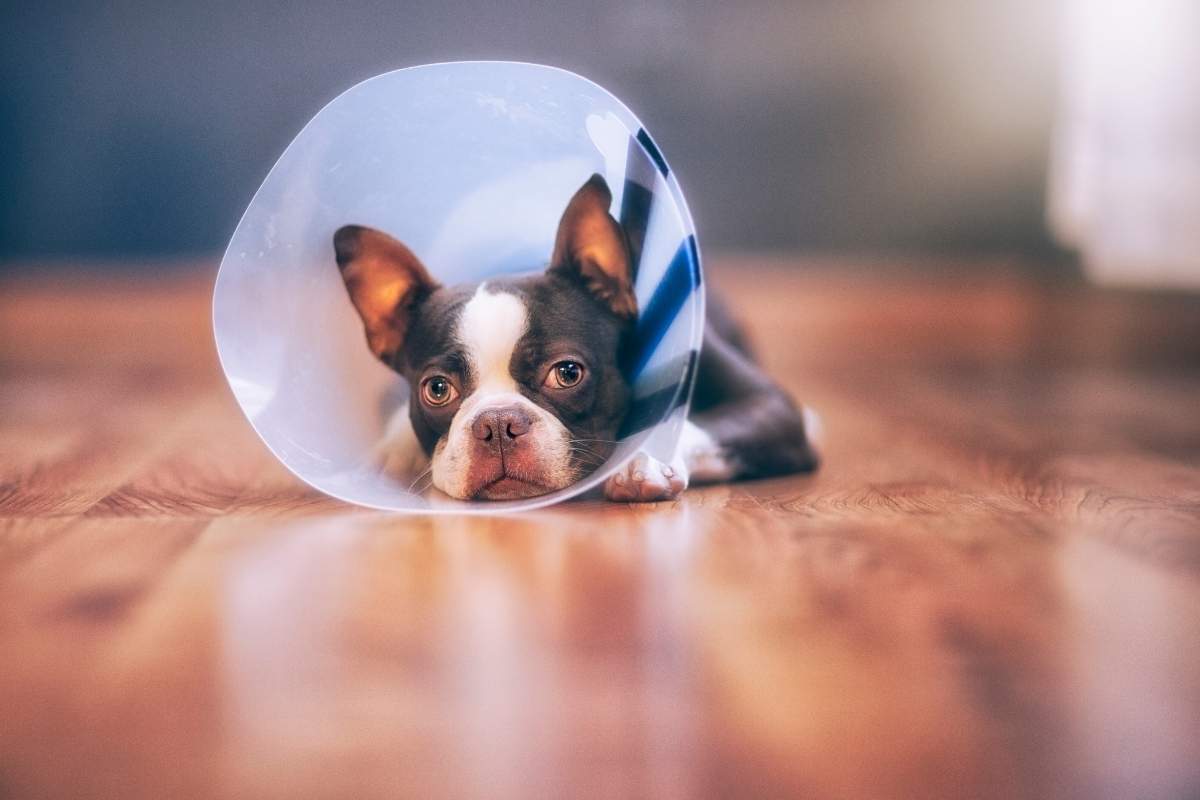
Many pets need an e-collar or recovery cone to prevent licking or chewing the incision.
Restricted Activity
Limiting activity is one of the most important aspects of recovery. Running, jumping, or rough play too soon can interfere with healing and increase the risk of complications.
Depending on the procedure, activity restrictions may last from several days to several weeks.
Follow-Up Appointments
Follow-up visits allow the veterinary team to monitor healing and remove stitches if necessary. These appointments also help ensure there are no signs of infection or delayed recovery.
For some pets recovering from veterinary surgery, additional rehabilitation or medication adjustments may also be recommended.
Signs You Should Contact a Veterinarian
After surgery, contact your veterinarian if you notice:
- Persistent vomiting or diarrhea
- Difficulty breathing
- Severe swelling or bleeding
- Loss of appetite lasting more than 24 hours
- Extreme lethargy
- Opening of the incision
- Signs of pain that worsen over time
Prompt communication can help prevent minor concerns from becoming more serious complications.
Helping Your Pet Recover Comfortably
A calm environment and consistent routine can make recovery easier for pets. Try to follow all medication instructions carefully and avoid allowing your pet to resume normal activity too quickly.
You can support healing by:
- Offering small meals if advised
- Keeping fresh water available
- Monitoring bathroom habits
- Preventing excessive movement
- Providing reassurance and quiet rest
Even after veterinary surgery, many pets return to their normal routines with proper care and monitoring.
Supporting Long-Term Pet Health
Surgery can feel overwhelming at first, but preparation and clear communication with your veterinary team can make the experience smoother for both you and your pet. Understanding the recovery process also helps reduce stress and encourages safer healing at home.
If you’re in Miami, FL, and need guidance about your pet’s upcoming procedure or recovery, South Kendall Animal Hospital can help provide compassionate surgical care and ongoing support. Contact us to learn more about preparing your dog or cat for surgery and recovery.
FAQs
Q1. How long should my pet fast before surgery?
Ans. Fasting instructions vary, but many pets should avoid food for 8–12 hours before anesthesia. Always follow your veterinarian’s guidance.
Q2. Will my pet be in pain after surgery?
Ans. Some discomfort is expected, but veterinarians provide pain management plans to help keep pets comfortable during recovery.
Q3. How long does recovery usually take?
Ans. Recovery depends on the procedure. Minor surgeries may require only a few days, while orthopedic or complex procedures may take several weeks.
Q4. Can my pet eat normally after surgery?
Ans. Some pets may have a reduced appetite initially. Small, light meals are often recommended during the first day after surgery.
Q5. Why does my pet need a cone after surgery?
Ans. Recovery cones help prevent licking or chewing the incision, which reduces the risk of infection and delayed healing.
Q6. Is anesthesia safe for older pets?
Ans. Modern anesthesia is generally safe when proper monitoring and pre-surgical testing are performed, even for many senior pets.