14201 South Dixie Highway, Palmetto Bay, FL 33176

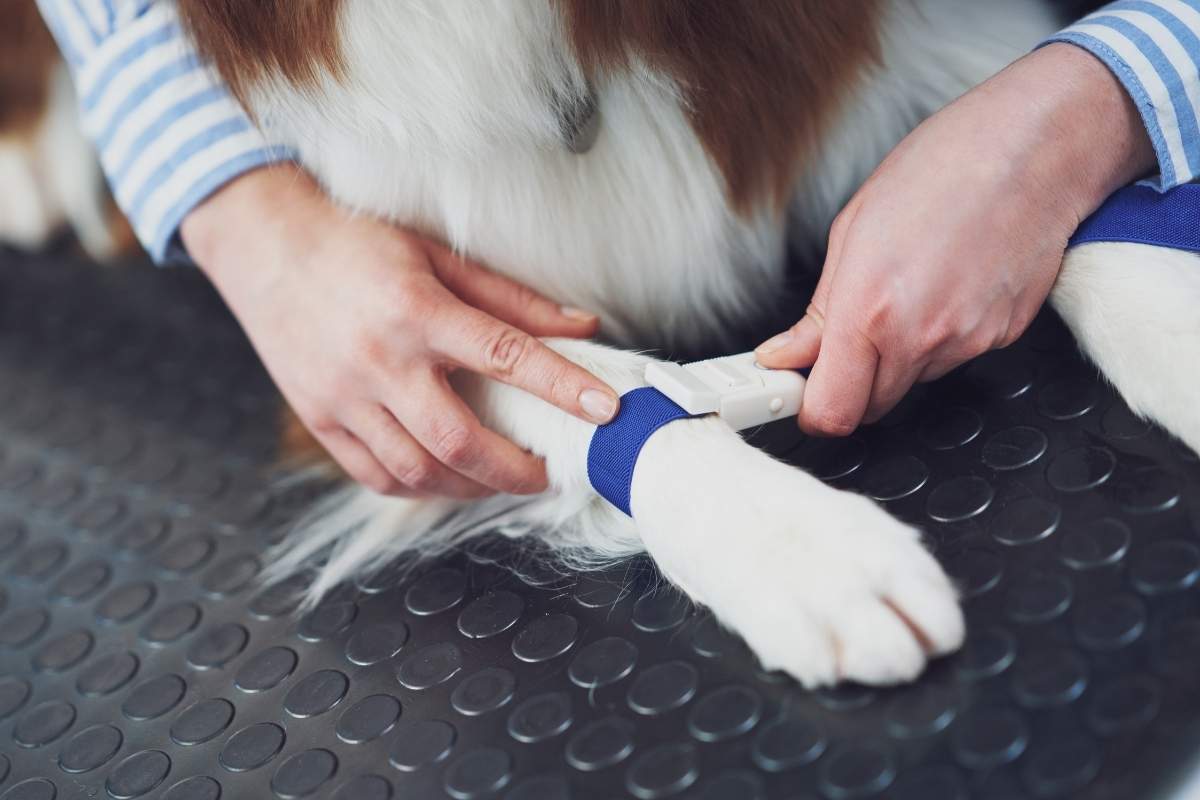
Injuries to the cranial cruciate ligament (often similar to an ACL injury in humans) are one of the most common orthopedic problems seen in dogs. These injuries can cause pain, limping, and difficulty walking, which can significantly affect a dog’s quality of life. Fortunately, several surgical options are available to restore joint stability and help dogs return to normal activity.
At South Kendall Animal Hospital, we understand that hearing your dog may need surgery can feel overwhelming. Pet owners often have questions about the different procedures used to treat cruciate ligament injuries and which option may be most appropriate for their pet. Understanding how these surgical techniques work can help owners make informed decisions about their dog’s treatment plan.
This guide explains the key differences between TPLO, TTA, and traditional ACL surgery for dogs. By learning how these procedures compare, pet owners can better understand the goals, benefits, and recovery expectations of each approach. This information can be especially helpful for dog owners in Miami, FL, including those in surrounding communities such as Palmetto Bay, who want to explore treatment options for their pet’s orthopedic injury.
Understanding ACL (CCL) Injuries in Dogs
In dogs, the ligament commonly referred to as the ACL is called the cranial cruciate ligament (CCL). This ligament stabilizes the knee joint and prevents abnormal movement between the femur and tibia.
When the ligament tears or ruptures, the joint becomes unstable, which can lead to pain, inflammation, and long-term arthritis if left untreated.
Common signs of a cruciate ligament injury include:
- Limping or lameness in the hind leg
- Difficulty standing or walking
- Swelling around the knee joint
- Reduced activity or reluctance to exercise
Veterinarians may recommend pet surgery to restore stability to the knee joint and improve long-term mobility.
What Is TPLO Surgery?
Tibial Plateau Leveling Osteotomy (TPLO) is one of the most commonly recommended procedures for dogs with cruciate ligament injuries.
Instead of replacing the damaged ligament, TPLO changes the angle of the tibia to stabilize the knee joint during movement.
Key Features of TPLO
- Alters the mechanics of the knee joint
- Uses a metal plate and screws to stabilize the bone
- Often recommended for medium to large breed dogs
- Allows many dogs to return to active lifestyles
TPLO is widely used because it can provide excellent long-term stability and mobility for many dogs.
What Is TTA Surgery?
Tibial Tuberosity Advancement (TTA) is another advanced orthopedic procedure used to treat cruciate ligament injuries.
Like TPLO, TTA changes the mechanics of the knee joint rather than replacing the ligament itself.
Key Features of TTA
- Adjusts the position of the tibial tuberosity
- Uses surgical implants to stabilize the bone
- Designed to neutralize forces that cause joint instability
- Often recommended for certain body structures and injury types
TTA can be an effective option for dogs that meet specific anatomical criteria.
What Is Traditional ACL (Extracapsular) Surgery?
Traditional ACL repair, sometimes called extracapsular stabilization, is a more conventional surgical technique.
This procedure involves placing a strong suture outside the knee joint to mimic the function of the damaged ligament.
Key Features of Traditional ACL Surgery
- Stabilizes the knee with external sutures
- Often recommended for smaller dogs
- Less invasive compared to bone-cutting procedures
- May have a shorter surgical time
Although this method may not be suitable for every case, it can be effective for certain dogs, particularly those with lower activity levels.
Comparing TPLO, TTA, and Traditional ACL Surgery
Each surgical approach has unique benefits, and the best choice often depends on factors such as the dog’s size, activity level, and overall health.
TPLO Surgery
- Common for large or active dogs
- High long-term stability
- Involves bone modification
TTA Surgery
- Alters knee mechanics similarly to TPLO
- Suitable for certain anatomical conditions
- May offer faster recovery for some dogs
Traditional ACL Surgery
- Often used for smaller dogs
- Less invasive approach
- May be appropriate for lower activity levels
A veterinarian will evaluate each dog individually to determine the most suitable surgical option.
Recovery After Cruciate Ligament Surgery
Recovery plays a critical role in the success of orthopedic procedures. Following pet surgery, dogs typically require a period of restricted activity while the joint heals.
Recovery recommendations may include:
- Controlled exercise and short leash walks
- Avoiding jumping or running
- Physical rehabilitation or therapy
- Follow-up veterinary examinations
Most dogs gradually return to normal activities as healing progresses.
When to Consult a Veterinarian
If your dog begins limping or shows signs of knee discomfort, it is important to seek veterinary evaluation as soon as possible.
Early diagnosis allows veterinarians to determine the severity of the injury and recommend the most appropriate treatment plan.
Prompt treatment can help reduce pain, restore mobility, and prevent further joint damage.
Cruciate ligament injuries are a common orthopedic issue in dogs, but modern surgical techniques offer effective solutions for restoring joint stability and mobility. Understanding the differences between TPLO, TTA, and traditional ACL surgery can help pet owners make informed decisions about their dog’s care.
If your dog is experiencing symptoms of a knee injury or requires orthopedic evaluation, the team at South Kendall Animal Hospital can provide guidance and support throughout the treatment process.
Proper diagnosis, treatment planning, and recovery care all contribute to successful outcomes. Pet owners in Miami, FL, who have concerns about their dog’s mobility or potential ligament injury can benefit from a professional consultation. You can schedule your appointment to discuss your dog’s condition and explore available treatment options.
Frequently Asked Questions (FAQs)
Q1. What causes ACL injuries in dogs?
Ans. ACL injuries in dogs are often caused by gradual ligament degeneration, sudden twisting movements, or trauma to the knee joint.
Q2. How do veterinarians diagnose cruciate ligament injuries?
Ans. Veterinarians typically perform a physical exam, assess joint stability, and may recommend imaging tests such as X-rays.
Q3. Is surgery always required for ACL injuries in dogs?
Ans. Many dogs benefit from surgery, especially active or larger dogs, but treatment recommendations depend on the severity of the injury and the dog’s overall health.
Q4. How long does recovery take after ACL surgery?
Ans. Recovery time varies but typically ranges from several weeks to a few months depending on the procedure and the dog’s healing progress.
Q5. Can dogs walk after ACL surgery?
Ans. Dogs can usually walk shortly after surgery, but activity must be limited and controlled during the healing period.
Q6. What happens if a cruciate ligament injury is left untreated?
Ans. Without treatment, the knee joint may remain unstable, which can lead to chronic pain and arthritis.