14201 South Dixie Highway, Palmetto Bay, FL 33176


When it comes to responsible pet ownership, few topics generate as much confusion as spaying and neutering. Despite decades of veterinary research and widespread recommendations from animal health professionals, a surprising number of myths still influence how pet owners approach this important decision. From concerns about personality changes to misconceptions about health risks, these myths can delay or prevent a choice that genuinely benefits dogs and communities alike.
At South Kendall Animal Hospital, we believe that informed pet owners make better decisions for their animals. Whether you have a new puppy or an adult dog, understanding the facts behind spaying and neutering can help you move forward with confidence.
Myth #1: It Will Change My Dog’s Personality
Spaying or neutering does not alter your dog’s core personality. Temperament is shaped by genetics and upbringing – not hormones.
What may decrease are hormone-driven behaviors like roaming, marking, and mounting. Most owners consider that a positive change.
Myth #2: She Should Have One Litter First
There is no medical benefit to letting your dog have a litter before spaying. In fact, spaying before the first heat cycle significantly reduces the risk of mammary cancer.
Pregnancy also carries health risks of its own – and adds to pet overpopulation. There’s no reason to wait.
Myth #3: Neutering Makes Male Dogs Less Protective
Protective behavior comes from breed traits and training – not testosterone. A loyal dog stays loyal after neutering.
What neutering can reduce is hormone-fueled aggression toward other males, which is generally a welcome outcome.
Myth #4: My Dog Will Definitely Gain Weight
Weight gain is not automatic. While metabolism may slow slightly, dogs that are fed appropriately and exercised regularly maintain a healthy weight.
Your vet can recommend simple dietary adjustments to keep your dog on track after the procedure.
Myth #5: The Procedure Is Too Risky
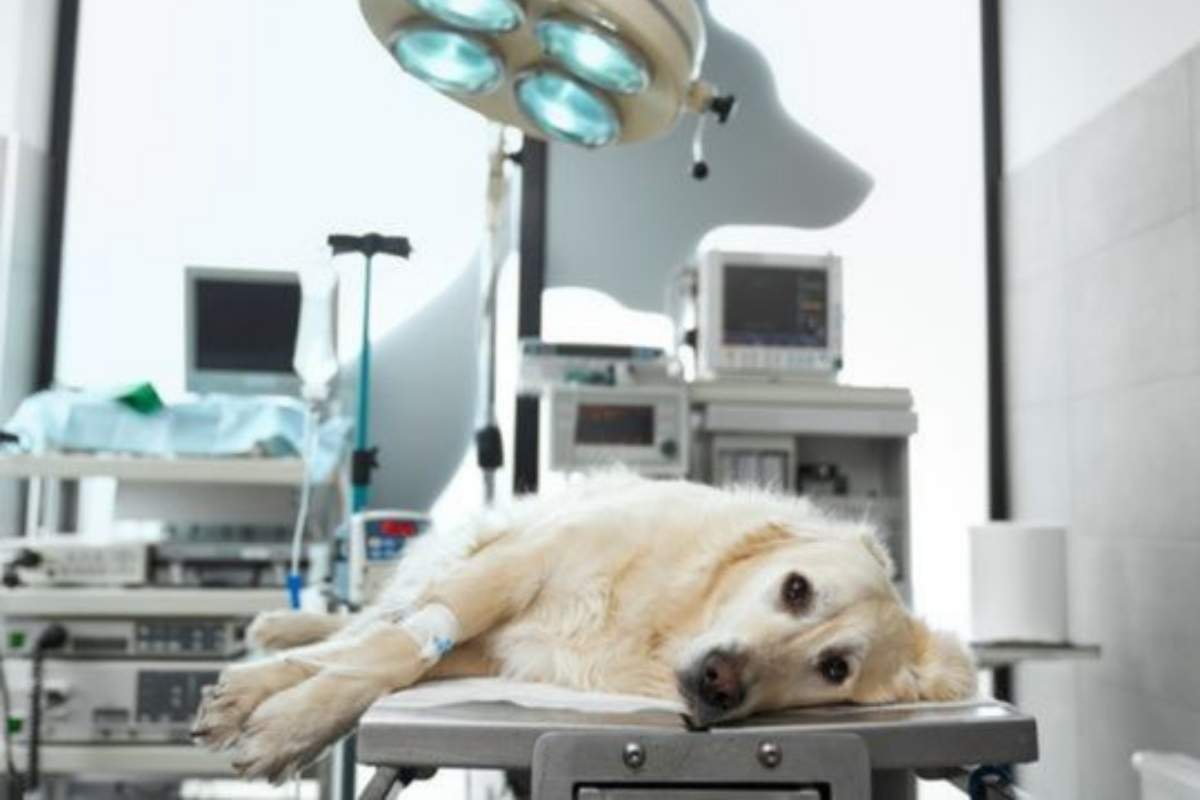
For healthy dogs, spaying and neutering are routine procedures with low complication rates. Recovery typically takes 7 to 10 days.
As with any dog surgery, a pre-operative exam is important – especially for dogs with underlying health conditions or certain larger breeds where timing matters.
Myth #6: Indoor Dogs Don’t Need It
Health benefits apply regardless of lifestyle. Unspayed females face risks of pyometra (a life-threatening uterine infection) and reproductive cancers. Intact males are at higher risk for testicular cancer and prostate disease.
Where your dog lives does not change these risks.
Key Health Benefits at a Glance
• Eliminates risk of uterine infection (pyometra) in females
• Greatly reduces mammary tumor risk when done early
• Eliminates testicular cancer risk in males
• Reduces prostate disease risk
• Removes stress of heat cycles
Have questions specific to your dog? Contact us at South Kendall Animal Hospital – our team is happy to help you find the right path forward.
Making the Right Choice for Your Dog
Spaying and neutering remain two of the most impactful preventive health measures available to dog owners. When decisions are based on accurate information rather than myths, both dogs and their owners benefit. Your veterinarian is your best resource for personalized advice, including the right timing, what to expect during recovery, and how to prepare your dog for the procedure.
Ready to take the next step? Schedule your appointment with our team today and give your dog the care they deserve
Frequently Asked Questions
Q1: At what age should I spay or neuter my dog?
Ans. Small breeds are typically ready around 6 months. For larger breeds, many vets recommend waiting until 12–18 months. Ask your vet for breed-specific guidance.
Q2: How long is the recovery?
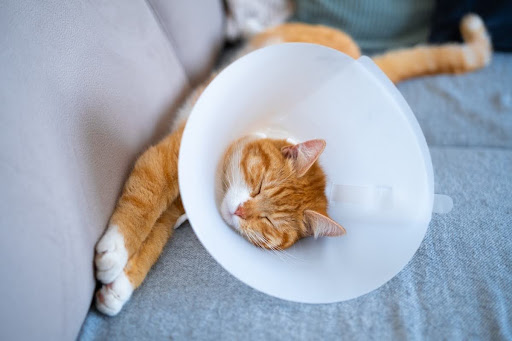
Ans. Most dogs bounce back within 7–10 days. Keep activity limited, the incision dry, and use an e-collar to prevent licking.
Q3: Is the procedure painful?
Ans. The procedure is performed under general anesthesia. Post-op discomfort is mild and managed with pain medication prescribed by your vet.
Q4: Will my dog’s behavior change?
Ans. Personality stays the same. Hormone-driven behaviors like marking or roaming may decrease, which most owners find beneficial.
Q5: Is it expensive?
Ans. The cost is typically far less than treating preventable conditions like pyometra or cancer. Many practices also offer wellness plans to help.
Q6: Is my older dog too old for the procedure?
Ans.Age alone is not a barrier. Healthy senior dogs can be good candidates. Pre-op bloodwork helps confirm safety before any dog surgery.