14201 South Dixie Highway, Palmetto Bay, FL 33176

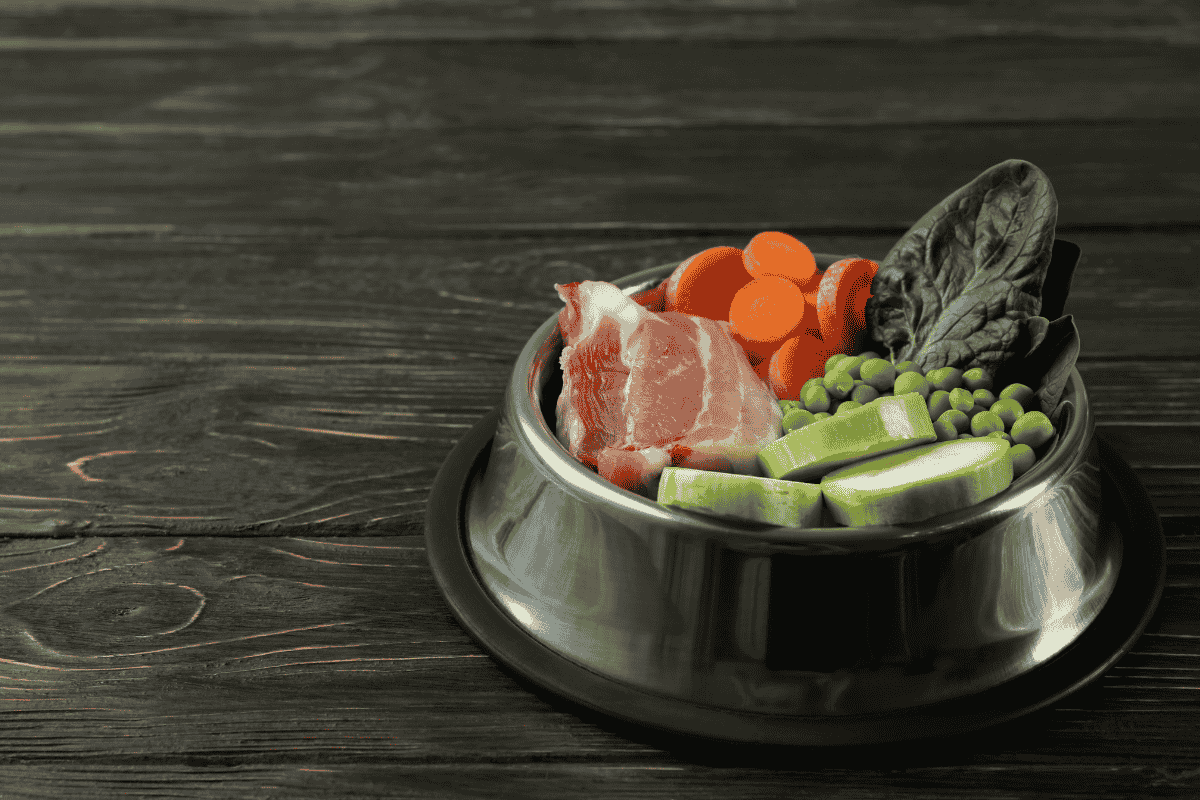
Neutering is a common and important procedure that supports your dog’s long-term health and helps prevent certain behavioral and medical issues. While the surgery itself is routine, the recovery period plays a crucial role in how quickly and comfortably your dog heals. One of the most important aspects of post-operative care is nutrition.
At South Kendall Animal Hospital, we often guide pet owners on how to adjust their dog’s diet after veterinary surgery to promote healing, reduce discomfort, and prevent complications. The right foods can make a significant difference in your dog’s recovery journey. Whether you’re a first-time pet owner or have gone through this before, understanding what to feed your dog after neutering is essential for all pet owners, including families in Palmetto Bay, FL, and across the Miami area.
1. Why Diet Matters After Neutering Surgery
After neutering, your dog’s body needs time and energy to heal. Proper nutrition supports tissue repair, strengthens the immune system, and helps maintain stable energy levels.
Dogs may also experience temporary changes in appetite due to anesthesia or mild discomfort. Offering easily digestible and nutrient-rich foods can encourage eating while preventing digestive upset. A balanced diet during this phase helps ensure a smoother and faster recovery.
2. Start with Light, Easily Digestible Foods
In the first 24–48 hours after surgery, it’s best to keep meals light and gentle on your dog’s stomach. Common vet-recommended options include:
- Boiled, skinless chicken (unseasoned)
- Plain white rice
- Boiled sweet potatoes
- Prescription gastrointestinal diets
These foods are easy to digest and less likely to cause nausea or vomiting. Start with small portions and gradually increase the amount as your dog’s appetite returns to normal.
3. Focus on High-Quality Protein for Healing
Protein is essential for tissue repair and muscle maintenance after veterinary surgery. Once your dog is ready to transition back to regular meals, prioritize high-quality protein sources.
Look for dog foods that contain:
- Lean meats like chicken, turkey, or fish
- Clearly labeled protein sources as the first ingredient
- Balanced amino acids to support recovery
Avoid fatty or heavily processed foods, as they can slow digestion and lead to unnecessary weight gain during a period of reduced activity.
4. Maintain Proper Hydration
Hydration is just as important as food during recovery. Ensure your dog has access to fresh, clean water at all times.
If your dog seems reluctant to drink, you can:
- Add a small amount of low-sodium broth to their water
- Offer wet food to increase moisture intake
- Provide ice cubes as a gentle alternative
Proper hydration helps regulate body temperature, supports digestion, and aids in overall healing.
5. Avoid Overfeeding and Monitor Weight
After neutering, a dog’s metabolism may slow down, and activity levels are often reduced during recovery. This combination can lead to weight gain if food portions aren’t adjusted.
Stick to controlled portion sizes and avoid giving excessive treats. Even though it’s tempting to comfort your pet with extra snacks, maintaining a balanced diet is key to preventing post-surgical weight issues.
6. Reintroduce Regular Diet Gradually
As your dog recovers and their appetite stabilizes, you can slowly transition back to their regular food. This process should take place over several days to avoid digestive upset.
Start by mixing small amounts of regular food with the bland diet, gradually increasing the ratio. Pay attention to your dog’s stool, energy levels, and overall behavior during this transition.
7. Know When to Contact Your Veterinarian
While most dogs recover smoothly, it’s important to watch for any signs that something may be wrong. Contact your veterinarian if you notice:
- Persistent loss of appetite
- Vomiting or diarrhea
- Lethargy lasting more than a couple of days
- Swelling or discharge at the surgical site
Early intervention can prevent complications and ensure your dog stays on track for a full recovery.
Feeding your dog the right foods after neutering surgery is one of the simplest yet most impactful ways to support their recovery. From light, digestible meals in the first few days to high-quality protein and proper hydration, each step plays a role in helping your pet heal comfortably.
While these recommendations apply to dogs everywhere, every pet is unique. Paying attention to your dog’s needs and consulting with your veterinarian when necessary ensures the best possible outcome. With the right care, your dog will be back to their happy, active self in no time.
Your dog’s recovery doesn’t end when the surgery is over – ongoing care and proper nutrition are essential. If you have concerns about your pet’s diet or recovery progress, book an appointment with South Kendall Animal Hospital for personalized guidance and support.
FAQs
Q1: How soon can my dog eat after neuter surgery?
Ans.: Most dogs can eat a small meal within a few hours after surgery, but it’s best to start with light, easily digestible foods.
Q2: What are the best foods immediately after surgery?
Ans.: Boiled chicken, white rice, and plain sweet potatoes are commonly recommended due to their gentle nature on the stomach.
Q3: Is it normal for my dog to lose appetite after neutering?
Ans.: Yes, a temporary loss of appetite is common due to anesthesia, but it should improve within 24–48 hours.
Q4: Can I give my dog treats during recovery?
Ans.: Treats should be limited and healthy. Avoid fatty or rich snacks that could upset digestion or cause weight gain.
Q5: When can my dog return to their regular diet?
Ans.: Typically within 3–5 days, with a gradual transition to avoid digestive issues.
Q6: What signs indicate a problem after surgery?
Ans.: Watch for vomiting, diarrhea, lack of appetite, or unusual behavior, and contact your veterinarian if these occur.