14201 South Dixie Highway, Palmetto Bay, FL 33176

Scheduling a surgical procedure for your pet can feel overwhelming. After all, pets are family, and their comfort, safety, and recovery matter deeply. Whether the procedure is routine or more complex, understanding what to expect can ease anxiety and help you make informed decisions. When pet owners feel prepared, their pets tend to recover more smoothly and with less stress. This guide explains what pet parents should know before moving forward, including preparation, risks, and aftercare. If you’re considering pet surgery, having the right information ahead of time can make the entire experience safer and more manageable for both you and your furry companion.
Understanding the Purpose of Surgery
Surgery is often recommended to diagnose, treat, or prevent medical issues that cannot be resolved through medication alone. Some procedures are planned well in advance, while others may be urgent.
Common Reasons Pets Need Surgery
Pets may require surgical care for several reasons, including:
- Spaying or neutering
- Dental extractions
- Tumor or mass removal
- Orthopedic injuries
- Internal conditions affecting organs
Understanding why surgery is necessary helps pet owners feel more confident and involved in their pet’s care plan.
Why Pre-Surgical Preparation Matters
Preparing your pet properly before surgery plays a critical role in safety and recovery. A well-prepared pet is less likely to experience complications during or after the procedure.
What Pre-Surgery Exams Usually Include
Before surgery, your veterinarian may recommend:
- A physical examination
- Blood work to assess organ function
- Imaging, such as X-rays
- Review of medical history and medications
These steps help ensure your pet is healthy enough for anesthesia and the planned procedure, especially for veterinary surgery, where precision and safety are essential.
Steps Pet Owners Should Take Before Surgery
Once surgery is scheduled, following instructions carefully can significantly reduce risks.
Important Pre-Surgery Guidelines
Pet owners are often advised to:
- Withhold food and water for a specific period
- Pause certain medications if instructed
- Avoid strenuous activity before the procedure
- Keep pets calm and stress-free
Additionally, maintaining a consistent routine can help your pet feel more secure leading up to surgery.
What to Expect on the Day of Surgery
Knowing what happens on surgery day helps ease uncertainty. Most veterinary clinics follow a structured process to ensure your pet’s safety and comfort.
Typical Surgery-Day Process
On the day of the procedure:
- Pets are checked in and examined again
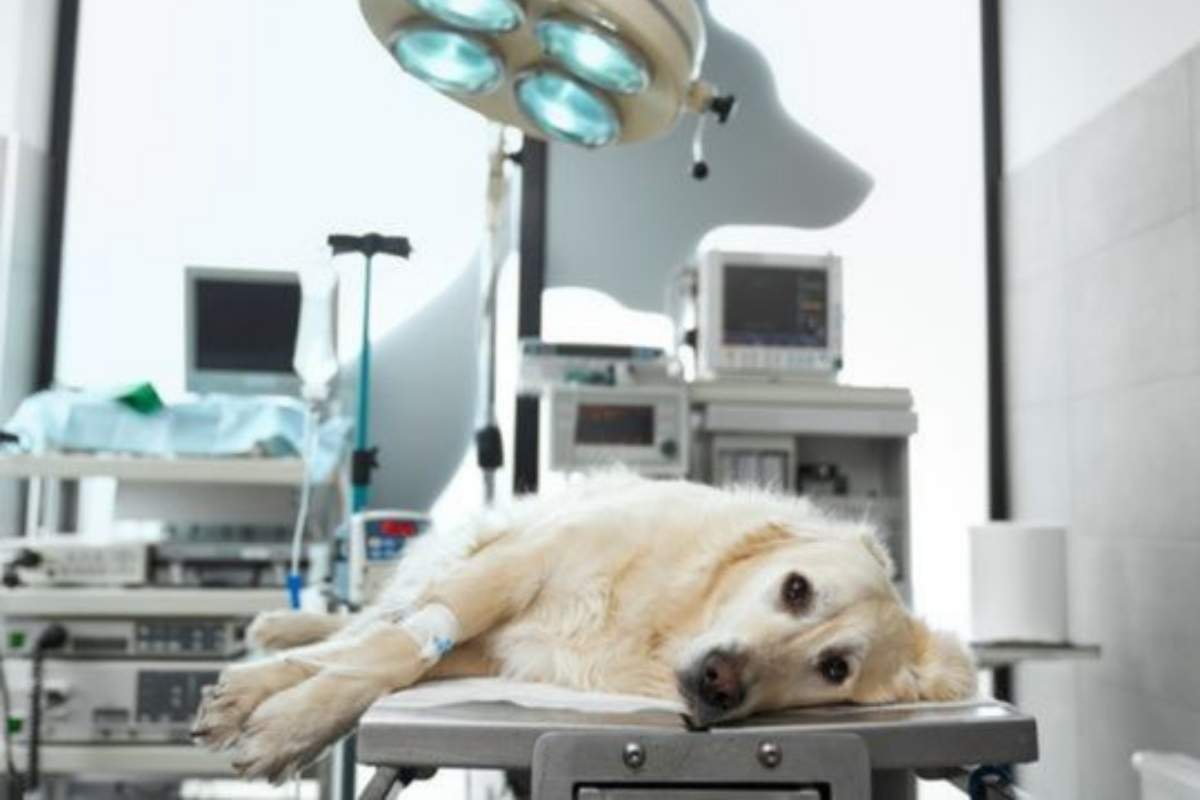
- Anesthesia is administered safely
- Vital signs are monitored continuously
- The procedure is completed with sterile techniques
Clear communication with your veterinary team ensures you understand timelines and post-surgery expectations.
Understanding Risks and Recovery
All surgical procedures carry some level of risk, but modern veterinary care greatly minimizes complications. Knowing what to watch for after surgery helps protect your pet’s health.
Common Post-Surgery Care Needs
After surgery, pets may require:
- Restricted activity
- Pain management medications
- Monitoring of the incision site
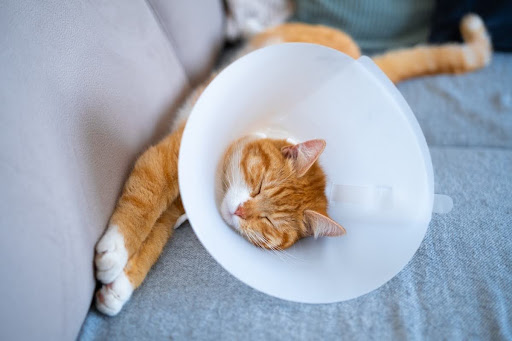
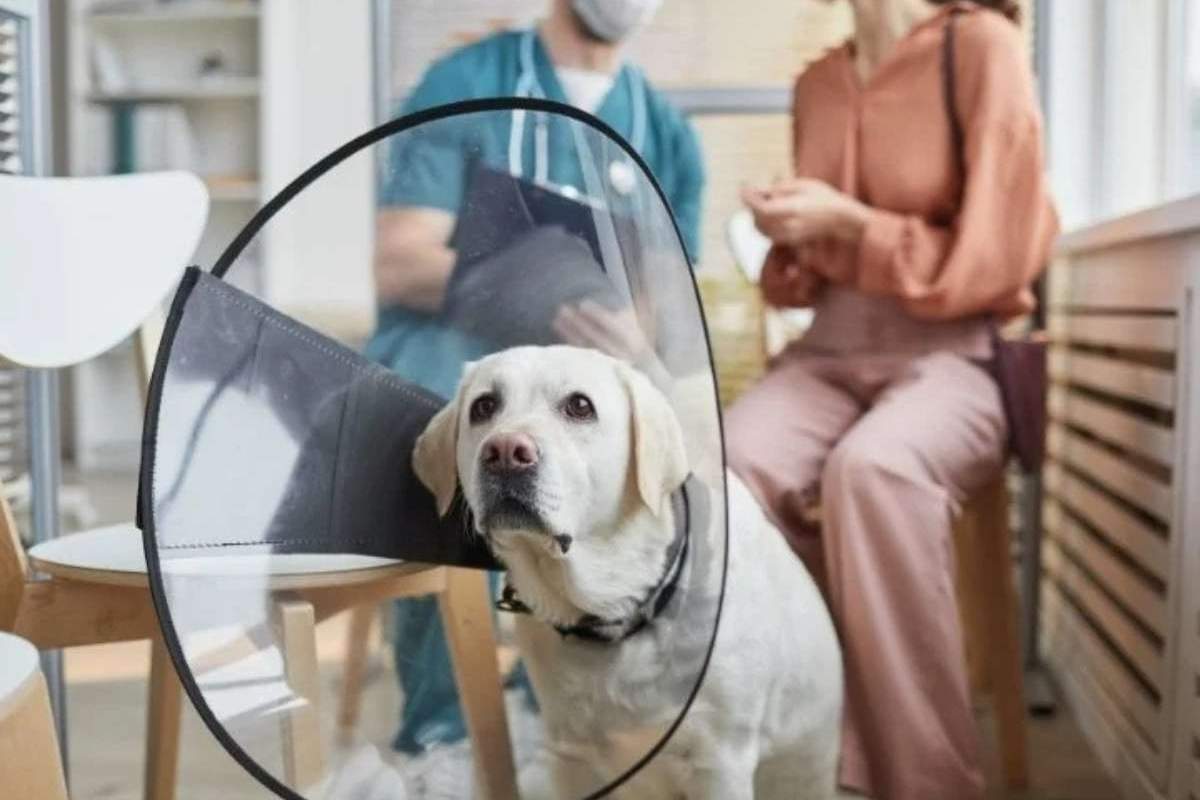
- Use of an Elizabethan collar
At this stage, guidance from trusted professionals, such as the team at South Kendall Animal Hospital, can help pet owners feel supported throughout recovery.
When to Contact Your Veterinarian
While some discomfort is normal after surgery, certain signs require immediate attention.
Warning Signs to Watch For
Contact your veterinarian if you notice:
- Excessive swelling or redness
- Discharge from the incision
- Lethargy lasting longer than expected
- Loss of appetite or vomiting
Scheduling surgery for a beloved pet can feel daunting, but preparation and knowledge make all the difference. By understanding the process, following pre- and post-operative instructions, and staying alert during recovery, you can help ensure the best possible outcome. For those caring for pets in Palmetto Bay, FL, careful planning and ongoing communication with a trusted veterinary team can bring added confidence. When approached thoughtfully, pet surgery becomes a manageable step toward restoring your pet’s health and quality of life.
Schedule your appointment with South Kendall Animal Hospital today to ensure your pet receives safe, expert surgical care and personalized guidance every step of the way.
Frequently Asked Questions:
Q1: How long does it take for a pet to recover after surgery?
A: Recovery times vary depending on the procedure. Minor surgeries may take a few days, while more involved procedures can require several weeks of rest.
Q2: Is anesthesia safe for pets?
A: Yes, anesthesia is generally safe when pets receive proper pre-surgical screening and monitoring throughout the procedure.
Q3: Should I stay home with my pet after surgery?
A: Yes, staying home allows you to monitor behavior, administer medications, and ensure your pet rests comfortably.
Q4: Can my pet eat normally after surgery?
A: Your veterinarian will provide feeding instructions. Some pets may need smaller or softer meals temporarily.
Q5: How do I prevent my pet from licking the incision?
A: An Elizabethan collar or protective garment is often recommended to prevent irritation or infection.
Q6: What should I bring on surgery day?
A: Bring any medications, medical records, and a comfort item to help your pet feel secure during check-in.