14201 South Dixie Highway, Palmetto Bay, FL 33176

Finding an unexpected lump on your dog’s body can be concerning. You might notice a small bump while brushing their coat or discover a larger growth during a belly rub. Some lumps remain harmless for years, while others require medical attention. Because different growths can look similar, their appearance alone cannot determine whether surgery is necessary.
Understanding what causes these lumps, how veterinarians examine them, and when removal becomes necessary can help you make informed decisions. For dog owners in Palmetto Bay, this guide explains what to expect from lump removal surgery, including diagnosis, preparation, recovery, and the importance of timely veterinary care.
Why Do Dogs Develop Lumps and Growths?
Dogs can develop lumps for several reasons. Some form beneath the skin, while others involve deeper tissues. Although growths become more common with age, younger dogs can develop them too.
Common types include:
- Lipomas: Soft, fatty tumors that are usually benign and develop beneath the skin.
- Cysts: Growths containing fluid or other material that may develop within the skin.
- Skin tags: Small, generally harmless growths that may develop in areas exposed to friction.
- Abscesses: Painful swellings caused by infections that may require drainage and medication.
- Mast cell tumors: Tumors that can vary considerably in appearance and behavior, sometimes resembling harmless bumps.
- Other skin tumors: Growths that may be benign or malignant and require testing for identification.
A lump’s size, texture, or location cannot reliably establish whether it is cancerous. Veterinary examination and appropriate testing are necessary.
When Does a Dog’s Lump Need Surgical Removal?
Not every lump requires immediate removal. However, certain findings make surgery more likely.
Rapid Growth or Changes in Appearance
A lump that grows quickly, changes shape, develops an irregular surface, or becomes ulcerated deserves prompt attention. These changes do not automatically indicate cancer. However, they may suggest an underlying condition requiring further investigation.
Pain, Bleeding, or Infection
Growths that bleed, become infected, or cause persistent discomfort may require surgical treatment. Dogs might repeatedly lick or scratch the affected area. Some become sensitive when touched or avoid activities that put pressure on the lump.
Interference With Normal Movement
A benign growth can still create problems depending on its location. For example, a lump near a dog’s leg may interfere with walking. A growth around the neck could cause discomfort as it enlarges. Removing these masses may improve comfort and prevent further complications.
Suspicion of Cancer
When diagnostic findings suggest a malignant tumor, surgery may be recommended to remove the growth and surrounding affected tissue.
Early identification can improve treatment options for certain cancers. However, outcomes depend on the tumor type, location, and whether it has spread.
How Do Veterinarians Determine Whether Surgery Is Necessary?
Before recommending removal, our vets evaluate the lump and your dog’s overall health.
Physical Examination
We examine the growth’s size, location, consistency, and attachment to surrounding tissues. We also review your dog’s medical history and check for additional lumps or concerning symptoms.
Fine-Needle Aspiration
Fine-needle aspiration involves collecting cells from a lump using a small needle. The collected material is examined under a microscope to help identify the growth. This procedure often provides useful information without requiring general anesthesia. However, some masses cannot be diagnosed reliably through aspiration alone.
Biopsy and Additional Testing
When initial findings are inconclusive, a tissue biopsy may be recommended. Bloodwork and diagnostic imaging may also help assess your dog’s health or investigate suspected cancer. These findings guide treatment decisions and help determine whether surgery is appropriate.
What Happens Before Dog Lump Removal Surgery?
Preparation is an important part of safe pet surgery. At our veterinary practice, we assess each dog’s medical needs before proceeding with an operation.
Our preoperative process may include:
- A comprehensive physical examination.
- Blood tests to evaluate organ function and overall health.
- X-rays or an electrocardiogram when indicated.
- An intravenous catheter for medication and fluid administration.
- Premedication to support comfort and anesthesia.
Our vets also provide instructions about food, water, and medications before the procedure.
Following these directions helps reduce avoidable complications and prepares your dog for anesthesia.
What Happens During the Lump Removal Procedure?
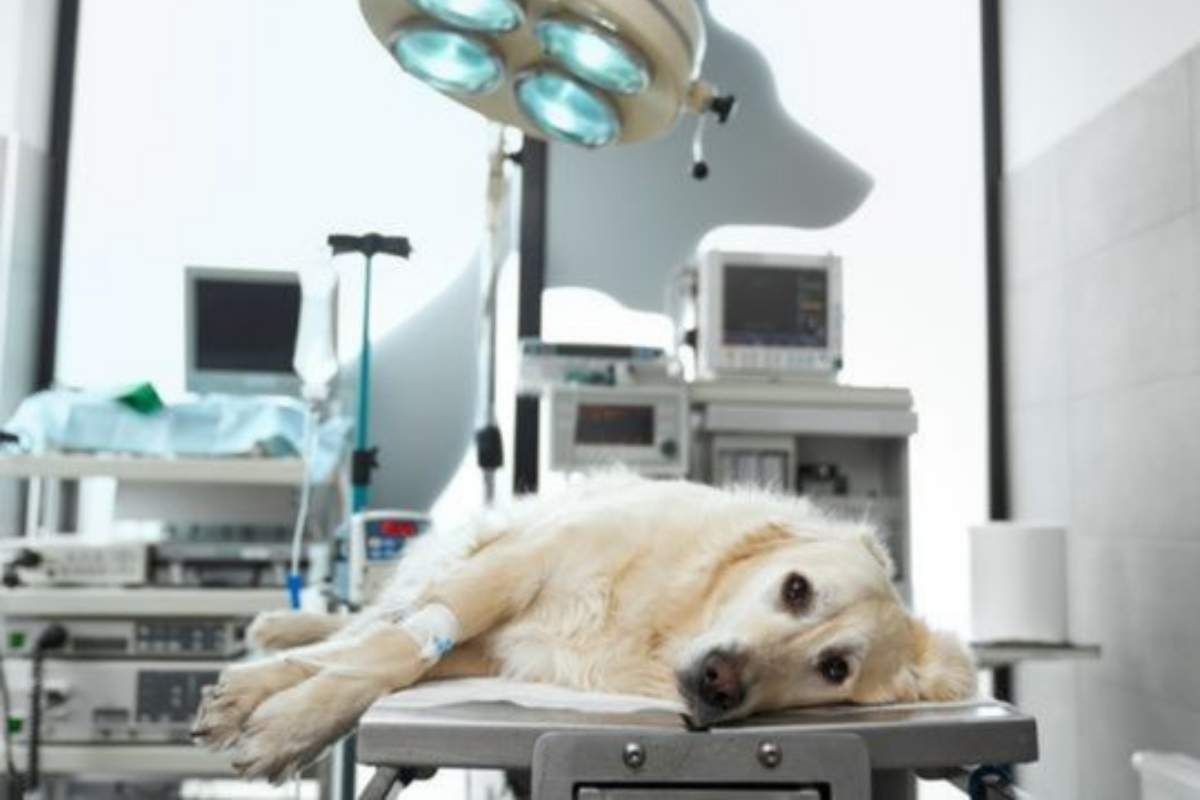
Dog lump removal generally takes place under general anesthesia, allowing the veterinarian to operate while your dog remains unconscious and does not experience surgical pain.
The procedure typically involves several steps.
Anesthesia and Monitoring
Our veterinary team administers anesthesia and closely monitors your dog’s vital signs throughout the operation. Monitoring includes cardiovascular function and other important indicators of anesthetic safety.
Surgical Removal
The veterinarian makes an incision around the growth and removes the necessary tissue. The amount of surrounding tissue removed depends on the suspected tumor type, location, and surgical objectives. Some growths require wider margins to reduce the likelihood of remaining abnormal cells.
Incision Closure and Recovery
After removal, the surgical area is closed using appropriate techniques. The tissue may be submitted for histopathology to confirm the diagnosis and evaluate surgical margins. Our team monitors your dog as anesthesia wears off and provides pain management during recovery.
What Should You Expect After Dog Lump Removal Surgery?
Recovery depends on the growth’s location, the extent of surgery, and your dog’s overall condition. Many dogs return home the same day, although some procedures require additional observation.
The First 24 to 48 Hours
Your dog may appear sleepy or less interested in food immediately after anesthesia. Provide a quiet resting area and follow the discharge instructions carefully. Contact our vets if your dog experiences repeated vomiting, significant weakness, difficulty breathing, or unusual behavior.
Incision Care and Activity Restrictions
Most uncomplicated skin incisions need approximately 10 to 14 days for initial healing. Larger or deeper procedures may require longer.
During recovery:
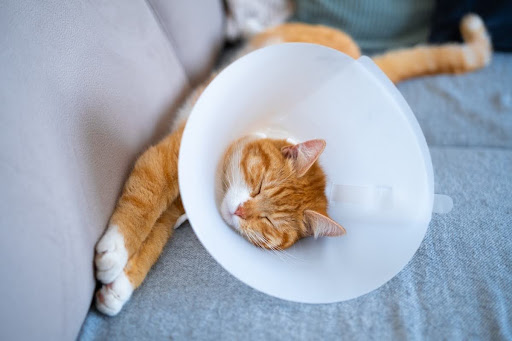
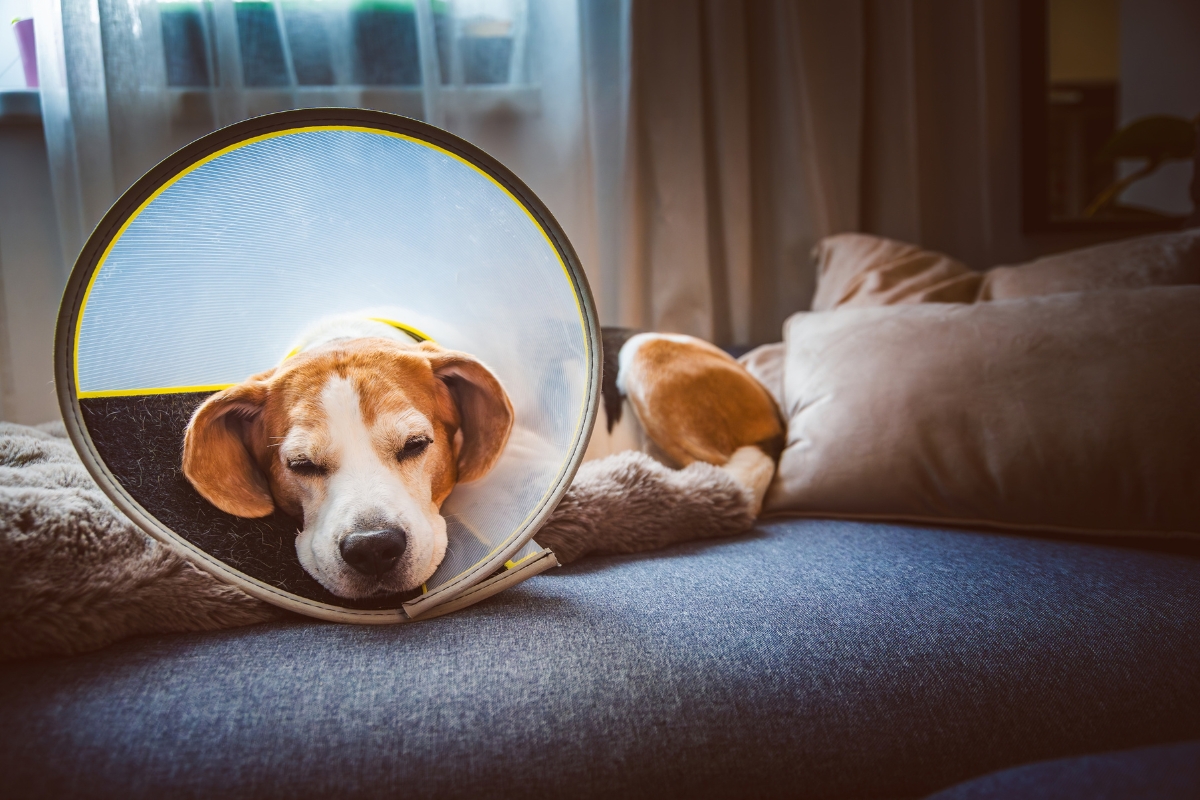
- Prevent licking or chewing with a protective collar.
- Keep the incision clean and dry.
- Restrict running, jumping, and rough play.
- Give prescribed medications exactly as directed.
- Check the incision daily for swelling, discharge, or separation.
Never administer human pain medication without veterinary approval.
Follow-Up Appointments
Follow-up examinations allow our vets to assess healing and discuss pathology results. If a tumor is malignant or surgical margins are incomplete, additional treatment or monitoring may be recommended.
Can Removing a Lump Improve Your Dog’s Quality of Life?
Lump removal can provide benefits beyond addressing cancer concerns. Growths that cause discomfort may interfere with walking, resting, grooming, or playing.
Removing a troublesome mass can help restore comfortable movement and reduce repeated irritation. For some dogs, early removal also prevents a growth from becoming larger and more difficult to treat. The decision should always consider the diagnosis, surgical risks, and your dog’s long-term well-being.
Why Is Early Veterinary Attention Important?
Waiting until a lump becomes painful or noticeably larger can complicate treatment. Some malignant tumors spread before producing obvious symptoms. Meanwhile, certain benign growths become harder to remove as they enlarge.
Early evaluation gives our vets an opportunity to identify concerning changes and recommend appropriate care. At our veterinary practice, we approach pet surgery with careful preparation, anesthesia monitoring, and postoperative pain management. Our goal is to help your dog receive appropriate treatment while keeping you informed throughout the process.
Help Your Dog Stay Comfortable and Active
A lump does not always mean something serious, but understanding its cause can make a meaningful difference in your dog’s health. Early examination, accurate diagnosis, and timely treatment can prevent avoidable discomfort and help protect everyday activities.
If you’ve discovered a new or changing lump on your dog, contact South Kendall Animal Hospital in Palmetto Bay. Our veterinary team can evaluate the growth, discuss whether removal is necessary, and guide you through treatment and recovery.
Call us at 305-238-2030 or schedule an appointment today. Give your dog the attention they need to continue enjoying walks, playtime, and everyday moments with your family.
Frequently Asked Questions
Q1. How Can I Tell if My Dog’s Lump Is Cancerous?
Ans. You cannot reliably determine whether a lump is cancerous by examining it at home. A veterinarian may recommend fine-needle aspiration, biopsy, or other diagnostic tests to identify the growth.
Q2. Is Dog Lump Removal Surgery Dangerous?
Ans. Every operation involving anesthesia carries some risk. Preoperative testing, appropriate anesthesia protocols, continuous monitoring, and postoperative care help reduce complications. Individual risks depend on your dog’s health and the procedure.
Q3. How Long Does It Take for a Dog to Recover From Lump Removal?
Ans. Many dogs need approximately 10 to 14 days for initial incision healing. Larger procedures may require additional recovery time. Follow your veterinarian’s activity restrictions and incision-care instructions.
Q4. Where Can I Get My Dog’s Lump Examined in Palmetto Bay?
Ans. South Kendall Animal Hospital provides veterinary examinations and surgical services in Palmetto Bay. Our vets can assess your dog’s growth, recommend diagnostic testing, and discuss appropriate treatment options.
Q5. Does South Kendall Animal Hospital Offer Lump Removal Surgery Near Kendall?
Ans. Yes. South Kendall Animal Hospital provides mass removal services for dogs and other pets. Our Palmetto Bay location serves families from Kendall and surrounding communities. We assess each case before recommending surgery.
Q6. How Can I Schedule a Dog Lump Removal Consultation in Palmetto Bay?
Ans. Contact South Kendall Animal Hospital at 305-238-2030 or request an appointment through our website. Our veterinary team can examine your dog’s lump, explain diagnostic options, and determine whether surgical removal is appropriate.