14201 South Dixie Highway, Palmetto Bay, FL 33176

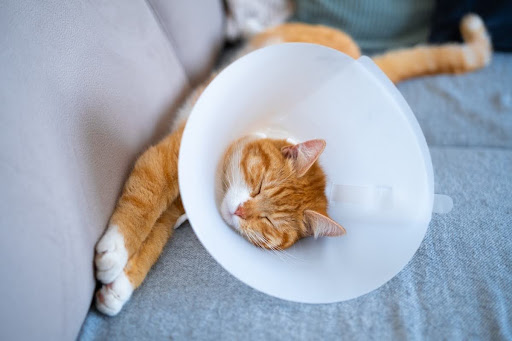
Surgery can be an important part of treating injuries, illnesses, and other health conditions in dogs and cats. While the procedure itself takes place under veterinary supervision, recovery at home plays an equally important role in helping a pet heal safely. Knowing what to expect after veterinary surgery can help pet owners recognize normal recovery signs, provide appropriate care, and identify potential complications early.
At South Kendall Animal Hospital, postoperative care begins with clear guidance tailored to each pet and procedure. Recovery can vary based on the type of surgery, the pet’s age, overall health, medications, and individual healing process. Understanding the typical stages of recovery can make the transition from the veterinary hospital to home more comfortable for both pets and their families.
What Happens Immediately After Surgery?
Dogs and cats may appear sleepy, confused, or less energetic for several hours after anesthesia. Some pets may also experience mild nausea, temporary changes in appetite, or slight unsteadiness when walking.
Your veterinarian may provide instructions about:
- Medication schedules
- Feeding and drinking
- Activity restrictions
- Incision care
- Use of an Elizabethan collar or recovery suit
- Follow-up appointments
- Warning signs that require veterinary attention
Keep your pet in a quiet, comfortable area away from excessive activity, children, and other animals during the initial recovery period.
The First 24 to 48 Hours
The first couple of days are often the most important period for monitoring recovery. Your pet may sleep more than usual and gradually return to normal eating, drinking, and activity.
Follow all prescribed medication instructions carefully. Never give human pain medication unless specifically directed by a veterinarian, as some medications that are safe for people can be dangerous or toxic to pets.
Your pet may have a reduced appetite initially, but persistent refusal to eat or drink should be discussed with your veterinary team.
Caring for the Surgical Incision
Checking the incision regularly can help you notice changes early. A healing incision is generally clean and closed, although mild swelling or bruising can sometimes occur depending on the procedure.
Contact your veterinarian if you notice:
- Increasing redness or swelling
- Significant bleeding
- Pus or unusual discharge
- A bad odor
- Opening of the incision
- Excessive licking or chewing
- Increasing pain or discomfort
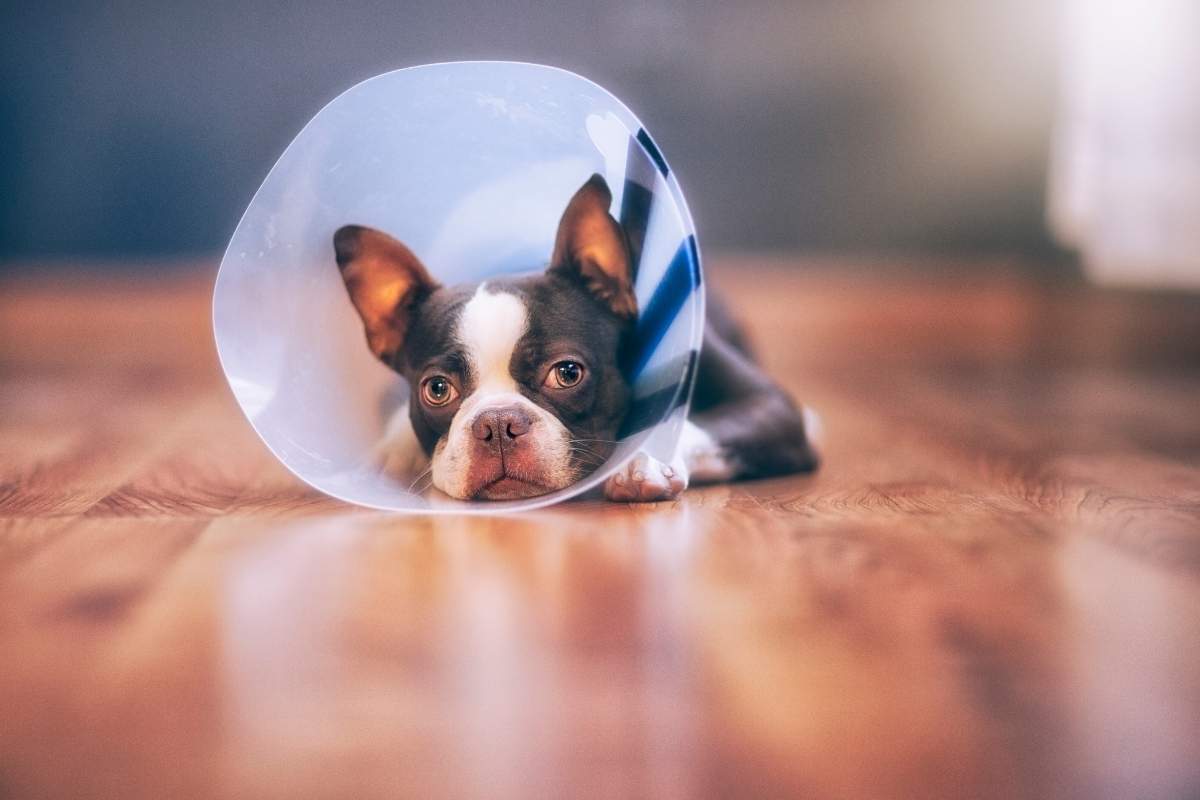
Prevent your pet from licking or scratching the surgical area. An Elizabethan collar or veterinarian-approved recovery garment may be recommended.
Activity Restrictions During Recovery
Pets often feel better before their tissues have completely healed. This can make activity restriction challenging, particularly for energetic dogs.
Depending on the procedure, your veterinarian may recommend:
- Short leash walks
- No running or jumping
- Limiting access to stairs
- Keeping cats indoors
- Restricting rough play
- Using a crate or small recovery area when necessary
Follow the specific activity timeline provided by your veterinarian rather than relying only on how energetic your pet appears.
Nutrition and Hydration
Adequate hydration and appropriate nutrition support recovery. Offer fresh water and follow your veterinarian’s instructions regarding food.
Some pets may benefit from smaller meals during the first day after anesthesia. If vomiting occurs repeatedly, your pet refuses food for an extended period, or drinking habits change significantly, contact the veterinary team for advice.
Do not introduce supplements, special diets, or treats during recovery without discussing them with your veterinarian.
How Long Does Recovery Take?
Recovery time depends heavily on the procedure and the individual pet. Minor procedures may require only a few days of restricted activity, while orthopedic or major abdominal surgeries can require several weeks of controlled recovery.
Follow-up examinations are important because a pet can appear comfortable while the surgical site is still healing. Your veterinarian may assess the incision, remove sutures if necessary, adjust medications, and determine when normal activity can resume.
Signs Your Pet May Need Veterinary Attention
Some postoperative changes are expected, but certain symptoms should not be ignored. Contact your veterinarian promptly if your dog or cat develops:
- Difficulty breathing
- Severe or worsening pain
- Repeated vomiting or diarrhea
- Extreme weakness or collapse
- Significant bleeding
- Pale gums
- A rapidly worsening incision
- Persistent inability to eat or drink
- Sudden behavioral changes
When in doubt, contacting your veterinary team is safer than waiting for symptoms to resolve on their own.
How Can Pet Owners Make Recovery Easier?
A calm environment and consistent routine can make postoperative recovery more manageable. Prepare your pet’s recovery area before surgery, organize medications according to the prescribed schedule, and keep important veterinary contact information accessible.
Cats may need additional environmental adjustments because jumping onto furniture or climbing can place stress on healing tissues. Dogs may require controlled bathroom breaks and alternative forms of mental stimulation while physical activity is limited.
Most importantly, follow the individualized discharge instructions provided after veterinary surgery and attend recommended follow-up visits.
Support for a Safe Recovery
Successful recovery depends on appropriate monitoring, medication, nutrition, activity control, and follow-up care. Paying attention to small changes and communicating promptly with your veterinary team can help address concerns before they become more serious.
For individualized postoperative guidance and ongoing pet care in Miami, FL, contact South Kendall Animal Hospital to discuss your pet’s recovery needs.
Frequently Asked Questions
Q1. How long will my dog or cat be sleepy after surgery?
Ans: Mild sleepiness and reduced activity are common after anesthesia and may last into the following day. Your pet should gradually become more alert. Contact your veterinarian if extreme lethargy persists or worsens.
Q2. When can my pet eat after surgery?
Ans: Feeding instructions vary depending on the procedure and anesthesia. Follow the discharge instructions provided by your veterinary team rather than introducing food immediately without guidance.
Q3. How can I stop my pet from licking the incision?
Ans: An Elizabethan collar or veterinarian-approved recovery suit can help prevent licking and chewing. Keep the protective device on as directed, particularly when your pet is unsupervised.
Q4. Can my dog walk after surgery?
Ans: Many dogs can take short, controlled bathroom walks, but the appropriate activity level depends on the procedure. Avoid running, jumping, and strenuous exercise until your veterinarian gives clearance.
Q5. Is some swelling around the incision normal?
Ans: Mild swelling or bruising can occur with some procedures, but increasing swelling, discharge, significant redness, bleeding, or an opening incision should be evaluated by a veterinarian.
Q6. When should my pet have a postoperative checkup?
Ans: The timing depends on the procedure, but your veterinarian may recommend a follow-up within several days or weeks. Keep the appointment even if your pet appears to be recovering normally.