14201 South Dixie Highway, Palmetto Bay, FL 33176

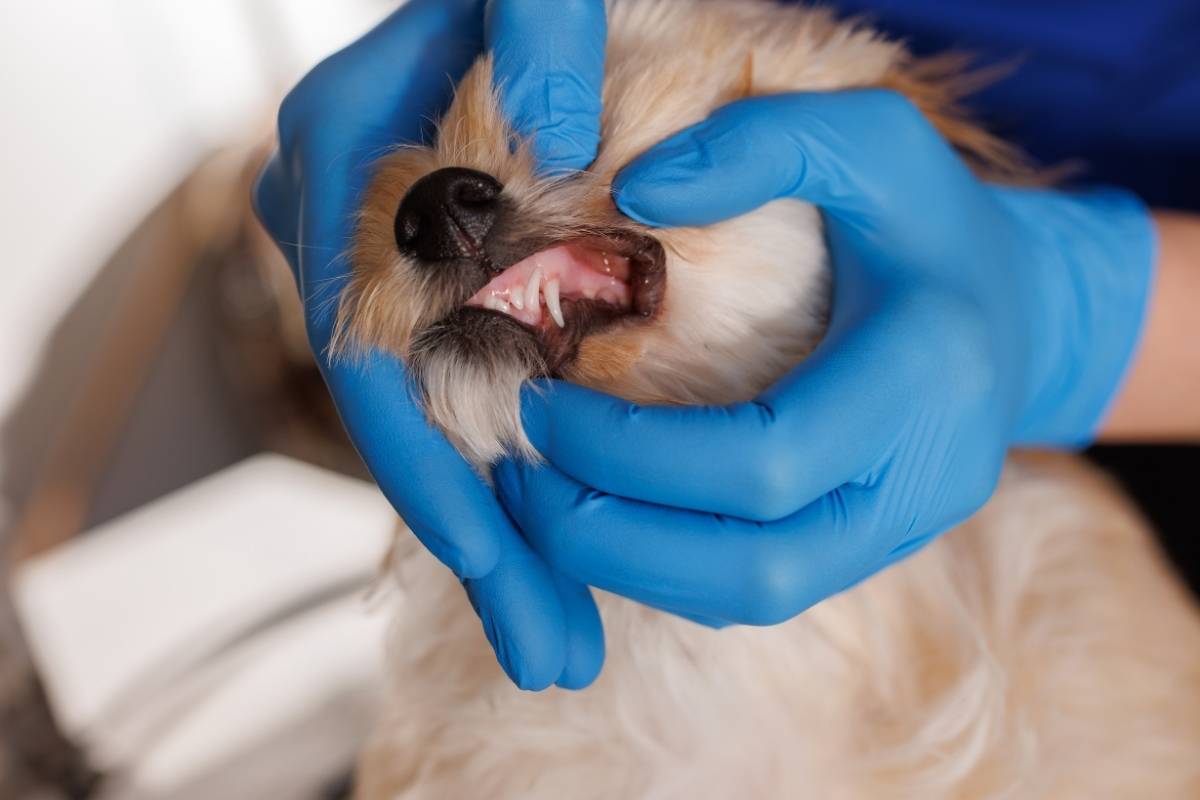
Your pet’s smile matters more than you might think. While we often focus on our pets’ nutrition, exercise, and vaccinations, dental health frequently gets overlooked, despite being a critical component of overall wellness. Dental problems in dogs and cats don’t just affect their teeth; untreated oral disease can lead to serious systemic health issues affecting the heart, kidneys, and liver.
The challenge is that many pet owners don’t recognize the early warning signs of dental disease. Unlike humans, who can communicate tooth pain, our furry companions often hide their discomfort until a problem becomes severe. Learning to identify these red flags early can save your pet from unnecessary suffering and costly treatments down the road.
Whether you have a dog, a cat, or both, understanding what healthy pet teeth should look like and recognizing signs of trouble is essential for preventive care. This guide will help you spot dental issues before they escalate and keep your pet’s smile healthy for years to come. For pet owners in Miami, FL, and surrounding areas seeking professional dental evaluations, trusted veterinary care is just a consultation away.
Common Signs Your Dog Has Dental Problems
Bad Breath (More Than Just “Dog Breath”)
Many people dismiss bad breath as a normal part of pet ownership, but significant odor is often a sign of dental disease. While all dogs have some breath odor, a strong, foul smell could indicate:
- Plaque and tartar buildup
- Bacterial infections
- Tooth decay
- Gum disease
If you notice your dog’s breath suddenly smells worse than usual, it’s worth investigating with your veterinarian.
Difficulty Eating or Chewing
Dogs experiencing dental pain may:
- Chew only on one side of their mouth
- Drop food while eating
- Show reluctance toward hard kibble or treats
- Drool excessively
- Eat more slowly than usual
These behavioral changes indicate your dog is trying to avoid pain while eating, a clear signal that something needs attention.
Visible Plaque and Tartar
Healthy dog teeth should appear relatively clean and white. If you notice:
- Yellow or brown buildup on teeth
- Visible tartar near the gum line
- Discolored teeth
- Visible gaps between teeth
These visual indicators suggest dental disease has already begun progressing.
Swelling or Bleeding Gums
Inflamed gums are a primary sign of periodontal disease. Watch for:
- Red or dark-colored gums
- Swollen gum tissue
- Bleeding when chewing or brushing
- Tooth sensitivity
Common Signs Your Cat Has Dental Problems
Changes in Behavior
Cats with dental pain often exhibit behavioral shifts, including:
- Increased irritability or aggression
- Withdrawal and reduced social interaction
- Hiding more than usual
- Reduced grooming habits
- Behavioral changes during meals
Pawing at the Mouth
Cats frequently paw at their faces when experiencing oral discomfort. If you notice excessive pawing, mouth touching, or head rubbing against objects, dental disease might be present.
Tooth Loss or Visible Damage
Unlike dogs, cats may lose teeth without obvious causes when dental disease is advanced. Look for:
- Missing teeth
- Broken or fractured teeth
- Visible cavities
- Jaw swelling
Eating Difficulties in Cats
Feline dental problems manifest through:
- Refusing dry food while eating wet food
- Chewing slowly or on one side
- Dropping food
- Loss of appetite
- Weight loss over time
How Dental Disease Develops
Understanding the progression of dental disease helps you recognize problems early. Plaque naturally forms on teeth within hours of eating. When not removed through brushing or professional cleaning, plaque hardens into tartar within days. This tartar provides a surface for harmful bacteria to thrive, leading to:
- Gingivitis – Gum inflammation and early disease
- Periodontitis – Advanced gum and bone disease
- Tooth Loss – Loss of teeth due to severe decay
- Systemic Infection – Bacteria entering the bloodstream
The earlier you catch these stages, the better the outcome.
Prevention Strategies for Healthy Pet Teeth
Daily Brushing
Brushing your pet’s teeth is the gold standard for prevention. Even brushing 3-4 times weekly provides significant benefits. Use pet-specific toothpaste and a soft-bristled brush designed for animal mouths.
Quality Diet and Chew Toys
Diet influences dental health significantly:
- Feed high-quality, appropriately sized kibble
- Offer dental chews approved by veterinary organizations
- Avoid hard treats that may crack teeth
- Limit sugary or sticky human foods
Regular Veterinary Checkups
Professional examinations catch early signs you might miss. Your veterinarian can detect tooth decay, gum disease, and other problems before they become serious.
Professional Cleanings
Professional cleanings remove tartar below the gum line – something brushing alone cannot achieve. Most veterinarians recommend annual cleanings for adult pets, with senior pets potentially needing more frequent care.
Dental problems in dogs and cats are preventable with proper care and early detection. By recognizing the warning signs – from bad breath and difficulty eating to behavioral changes – you can address issues before they become serious health threats.
Dental care is a lifelong part of keeping pets healthy. Even pets that appear normal may still have hidden oral disease developing beneath the surface. Preventive care, routine checkups, and early intervention can significantly improve your pet’s comfort and quality of life.
If you’re in Miami, FL, and are concerned about your pet’s oral health, South Kendall Animal Hospital can help evaluate dental concerns and recommend appropriate care for your dog or cat. Schedule your appointment to support your pet’s long-term health and comfort.
Frequently Asked Questions:
Q1: At what age should I start caring for my pet’s teeth?
Ans: Begin dental care habits as early as possible. Puppies and kittens benefit from early brushing introductions, and preventive care should continue throughout their lives.
Q2: Is dental disease in pets hereditary?
Ans: While genetics play a role, environmental factors like diet, oral hygiene, and breed size significantly influence dental health. Small breeds are particularly prone to dental problems.
Q3: How much does pet dental cleaning cost?
Ans: Costs vary based on your pet’s health status and degree of disease. Early intervention through preventive care is typically more affordable than treating advanced disease.
Q4: Can I use human toothpaste on my pet?
Ans: No. Human toothpaste contains fluoride and other ingredients toxic to pets. Always use veterinary-approved pet toothpaste.
Q5: What’s the difference between plaque and tartar?
Ans: Plaque is a soft, sticky bacterial film that forms daily. Tartar is hardened plaque that cannot be removed by brushing and requires professional cleaning.
Q6: Is anesthesia safe for older pets during dental cleaning?
Ans: Modern anesthesia protocols are very safe. Pre-operative bloodwork helps ensure your senior pet is healthy enough for the procedure.