14201 South Dixie Highway, Palmetto Bay, FL 33176

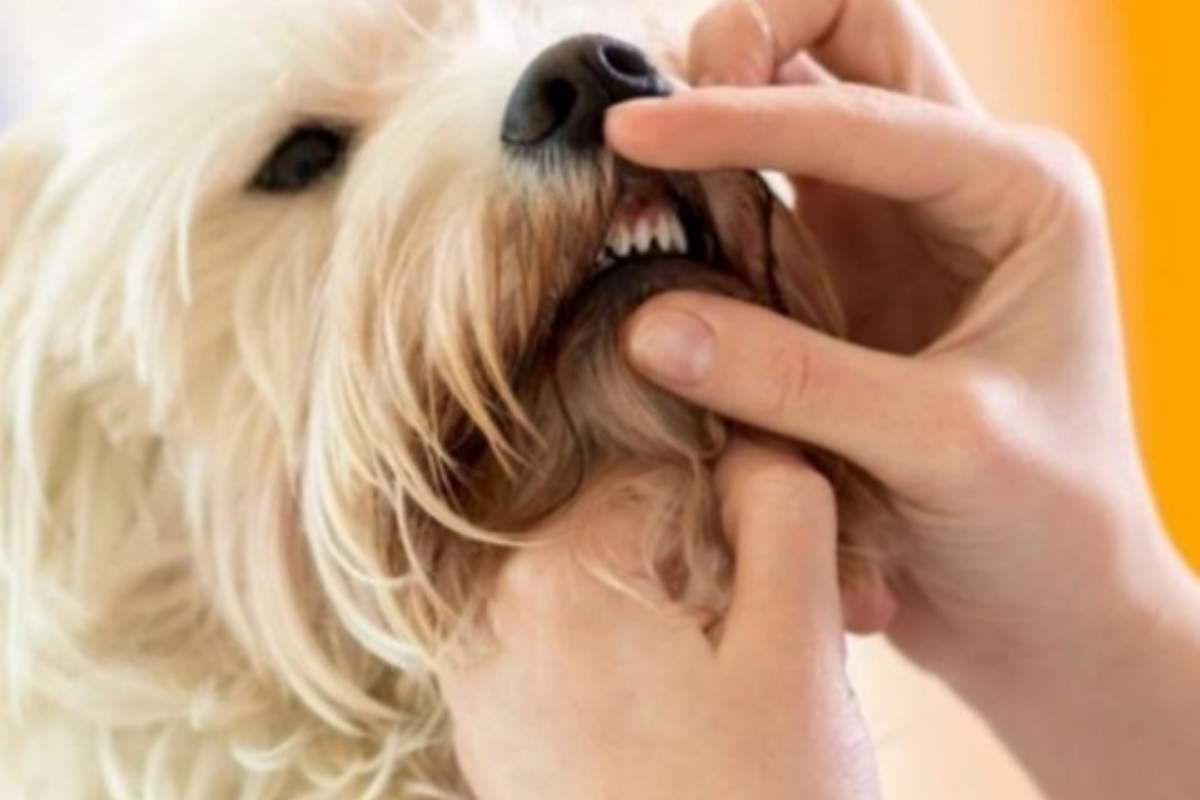
Maintaining your dog’s oral health is an essential part of their overall well-being, yet it’s often overlooked by many pet owners. Starting a dental routine early can prevent serious health issues and improve your dog’s quality of life. At South Kendall Animal Hospital, we understand how important it is to establish healthy habits from a young age. Brushing your dog’s teeth may seem challenging at first, but with the right approach, it becomes an easy and effective part of daily care. Here’s everything you need to know about the importance of early dental care, especially for pet owners in Miami, FL, including Palmetto Bay.
Why Early Dental Care Matters
Dental health is directly connected to your dog’s overall health. Without proper care, dogs can develop:
- Plaque and tartar buildup
- Gum disease (periodontal disease)
- Tooth loss
- Bacterial infections that may affect the heart, liver, and kidneys
Understanding the importance of early dental care helps prevent these conditions before they progress.
When Should You Start Brushing Your Dog’s Teeth?
The ideal time to begin brushing your dog’s teeth is during puppyhood.
- Start as early as 8 to 12 weeks old
- Introduce brushing gradually
- Keep the experience positive and stress-free
Early exposure makes it easier for your dog to accept dental care as part of their routine.
How Often Should You Brush Your Dog’s Teeth?
For effective pet dental care:
- Brush daily if possible
- At a minimum, aim for 3–4 times per week
Consistency plays a key role in preventing plaque buildup and maintaining healthy gums.
How to Brush Your Dog’s Teeth Properly
1. Use Dog-Specific Products
Always use a toothbrush and toothpaste designed for dogs.
2. Start Slow
Let your dog get used to the taste and sensation.
3. Focus on Outer Surfaces
Most plaque builds up on the outer teeth, so prioritize these areas.
4. Keep It Short and Positive
Short sessions with rewards help build cooperation.
5. Stay Consistent
Routine is key to long-term success.
Signs Your Dog May Have Dental Issues
Even with regular care, watch for warning signs:
- Persistent bad breath
- Red or bleeding gums
- Difficulty chewing
- Yellow or brown tartar buildup
- Excessive drooling
These symptoms may indicate the need for professional attention.
Additional Ways to Support Dental Health
In addition to brushing, you can improve your dog’s oral health with:
- Dental chews
- Chew toys designed for oral hygiene
- Specialized dental diets
- Routine veterinary cleanings
These methods work together to enhance pet dental care.
Why Professional Dental Care Is Important
Routine dental exams at a veterinary clinic help:
- Detect early signs of dental disease
- Remove hardened tartar
- Prevent long-term complications
Even with regular brushing, professional cleanings are essential for complete oral care.
Tips for Making Brushing Easier
- Start early and be patient
- Use flavored toothpaste that your dog enjoys
- Choose a calm time of day
- Reward your dog after each session
These steps can turn brushing into a positive experience.
When to Visit a Veterinarian
You should schedule a dental check-up if:
- Your dog has ongoing bad breath
- You notice visible tartar buildup
- Your dog avoids eating or chewing
- It’s time for a routine dental exam
Early intervention is key to preventing serious dental issues.
Establishing a dental routine early in your dog’s life is one of the best ways to protect their long-term health. The importance of early dental care goes beyond clean teeth—it helps prevent disease, supports overall wellness, and improves quality of life. With consistent brushing and professional guidance, your dog can maintain a healthy smile for years to come.
Caring for your dog’s dental health requires the right balance of at-home care and expert support. If you have questions or need professional dental services, you can schedule your appointment at South Kendall Animal Hospital. Serving pet owners throughout Miami, FL, including Palmetto Bay, the team is here to help your dog stay healthy and comfortable.
FAQs:
Q1. When should I start brushing my dog’s teeth?
Ans. You should start as early as 8 to 12 weeks of age.
Q2. How often should I brush my dog’s teeth?
Ans. Daily brushing is ideal, but at least 3–4 times per week is recommended.
Q3. Can I use human toothpaste for my dog?
Ans. No, always use toothpaste specifically made for dogs.
Q4. What are the signs of dental problems in dogs?
Ans. Bad breath, swollen gums, and difficulty eating are common signs.
Q5. Are dental chews a good substitute for brushing?
Ans. They can help, but they should not replace regular brushing.
Q6. How often does my dog need professional dental cleaning?
Ans. Your veterinarian can recommend a schedule based on your dog’s needs.