14201 South Dixie Highway, Palmetto Bay, FL 33176

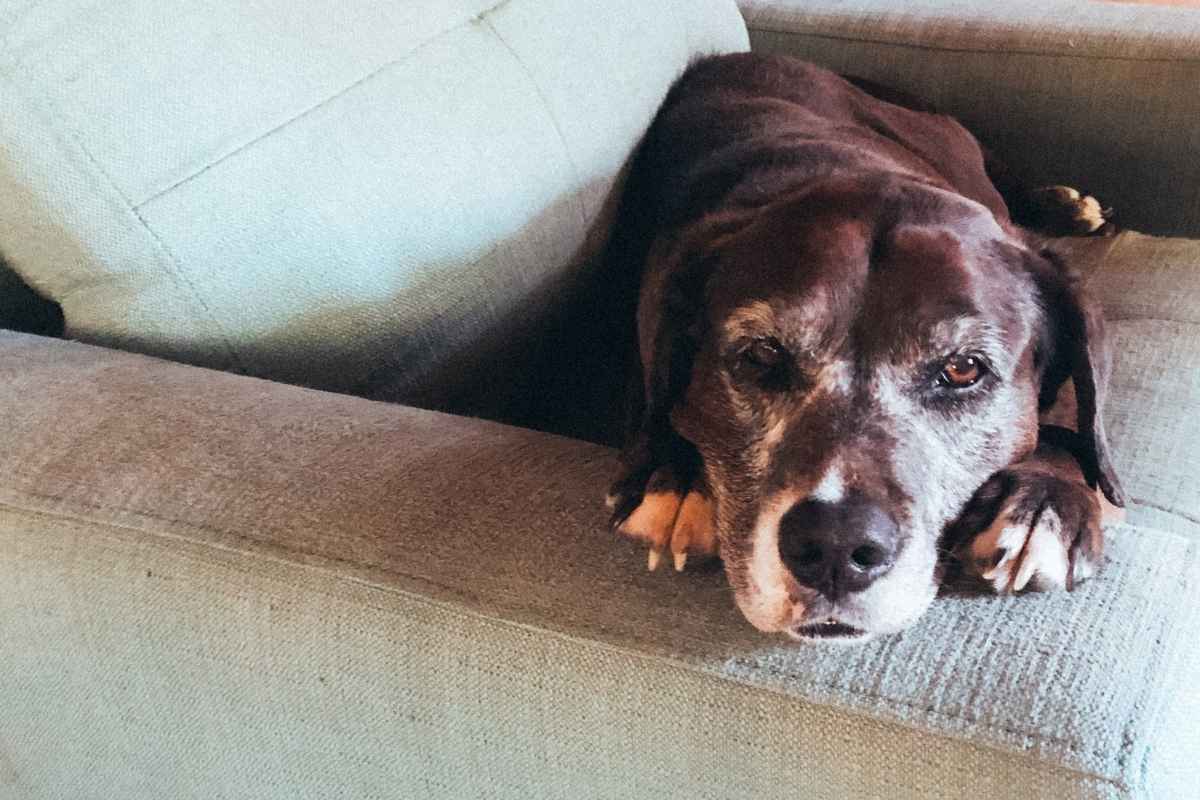
Your dog’s eyes are incredibly delicate, and even a small injury can quickly become a painful problem. One of the most common yet serious eye conditions veterinarians treat is a corneal ulcer. Although it may begin with mild redness or excessive tearing, a corneal ulcer can worsen rapidly without proper care and may threaten your dog’s vision.
Recognizing the early warning signs and seeking prompt veterinary attention can make a significant difference in your dog’s recovery. Understanding what causes corneal ulcers, how they are treated, and what you can do to prevent them helps you protect your pet’s eye health and overall well-being.
What Is a Corneal Ulcer?
The cornea is the clear, protective outer layer covering the front of your dog’s eye. It plays an important role in focusing light while also shielding the deeper structures of the eye from injury and infection.
A corneal ulcer develops when this protective layer becomes damaged or eroded. The injury may involve only the surface or extend into deeper layers of the cornea. Because the cornea contains many nerve endings, even a minor ulcer can cause significant discomfort.
Without timely treatment, bacteria may invade the damaged tissue, leading to infection, delayed healing, scarring, or even permanent vision loss.
Common Causes of Corneal Ulcers in Dogs
Many different situations can damage the cornea. Some of the most common causes include:
Eye Trauma
Simple accidents are a leading cause of corneal ulcers. Scratches from tree branches, rough play with another dog, cat scratches, or rubbing against furniture can injure the eye.
Foreign Material
Dust, dirt, sand, grass seeds, or other debris trapped beneath the eyelid may continuously irritate the cornea until an ulcer forms.
Dry Eye
Dogs with inadequate tear production are more likely to develop corneal ulcers because tears help lubricate and protect the eye’s surface.
Eyelid Abnormalities
Conditions such as inward-rolling eyelids (entropion) or abnormal eyelashes rubbing against the cornea can repeatedly irritate the eye.
Infections
Certain bacterial, fungal, or viral infections can damage the cornea directly or complicate an existing injury.
Chemical Irritation
Exposure to household cleaning products, shampoos, or other irritating substances can injure the delicate surface of the eye.
Signs Your Dog May Have a Corneal Ulcer
Since dogs cannot tell us when something hurts, pet owners should watch for changes in their pet’s behavior and appearance.
Common symptoms include:
- Excessive tearing
- Squinting or keeping one eye closed
- Frequent blinking
- Pawing or rubbing at the affected eye
- Redness around the eye
- Cloudiness or a bluish appearance on the cornea
- Light sensitivity
- Thick eye discharge
- Swelling around the eye
- Reluctance to play or reduced activity due to discomfort
Some dogs continue acting normally despite significant pain, making careful observation especially important.
Why Prompt Veterinary Care Matters
A corneal ulcer is not something that should be monitored at home for several days. The cornea can deteriorate surprisingly fast.
As an ulcer deepens, the eye becomes increasingly vulnerable to severe infection, tissue breakdown, and even rupture. Early diagnosis allows treatment to begin before complications develop, greatly improving the chances of preserving vision.
If you notice persistent eye redness, squinting, or excessive tearing, scheduling an examination promptly is the safest choice. Clinics offering vet urgent care can evaluate painful eye conditions quickly and begin appropriate treatment before the damage progresses.
How Veterinarians Diagnose Corneal Ulcers
Diagnosing a corneal ulcer is generally straightforward, but determining its severity requires a thorough eye examination.
Your veterinarian may perform:
- A complete eye examination
- Fluorescein stain testing, which highlights damaged areas of the cornea
- Tear production testing to identify dry eye
- Eye pressure measurement when appropriate
- Examination for foreign material or eyelid abnormalities
- Additional testing if infection or underlying disease is suspected
These evaluations help determine the best treatment plan for your dog’s specific condition.
Treatment Options for Corneal Ulcers
Treatment depends on the ulcer’s depth, cause, and overall severity.
Medicated Eye Drops
Antibiotic eye drops are commonly prescribed to prevent or treat bacterial infection.
Pain Management
Because corneal ulcers are extremely painful, medications that relieve discomfort are often included in the treatment plan.
Protective Devices
An Elizabethan collar helps prevent your dog from rubbing or scratching the affected eye, allowing healing to occur without additional injury.
Treating Underlying Conditions
If dry eye, eyelid abnormalities, or another medical condition contributed to the ulcer, those issues must also be addressed to prevent recurrence.
Surgical Treatment
Deep, complicated, or non-healing ulcers may require specialized surgical procedures to protect the cornea and preserve vision.
Follow-up visits are essential because your veterinarian will monitor healing and adjust treatment as needed.
Caring for Your Dog During Recovery
Healing times vary depending on the severity of the ulcer, but owner compliance plays a major role in recovery.
To support healing:
- Administer medications exactly as prescribed.
- Prevent rubbing by keeping the protective collar on.
- Avoid dusty environments whenever possible.
- Attend all recommended recheck appointments.
- Never stop medications early, even if the eye appears improved.
Improper or incomplete treatment may allow the ulcer to return or worsen.
Can Corneal Ulcers Be Prevented?
Not every corneal ulcer can be prevented, but several simple habits reduce your dog’s risk.
- Keep vegetation trimmed in areas where your dog plays.
- Monitor pets during rough play.
- Address chronic eye irritation promptly.
- Schedule regular wellness examinations.
- Manage dry eye and eyelid disorders as recommended by your veterinarian.
- Watch for changes in your dog’s eyes after outdoor activities or grooming.
Routine eye care and early attention to minor symptoms often prevent more serious problems.
When Should You Contact a Veterinarian?
Eye problems should never be ignored. Even symptoms that appear mild can represent a painful condition requiring immediate evaluation.
If your dog is squinting, producing excessive tears, rubbing the eye, or develops sudden redness or cloudiness, professional examination should not be delayed. Facilities that provide vet urgent care are equipped to evaluate painful eye conditions promptly and recommend appropriate treatment before complications develop.
A corneal ulcer is a painful eye injury that deserves prompt attention to protect your dog’s comfort and vision. Early diagnosis, proper treatment, and careful follow-up significantly improve recovery while reducing the risk of long-term complications. If your dog develops signs of an eye injury or unusual eye discomfort, contact South Kendall Animal Hospital for prompt evaluation. We proudly serve pet families in Palmetto Bay, FL, as well as Miami, Homestead, Palmetto Bay, Cutler Bay, Coral Gables, and the surrounding area. For questions or prompt veterinary assistance, call 305-238-2030 to speak with our caring team.
FAQs
Q1. What causes corneal ulcers in dogs?
Ans: Corneal ulcers can result from scratches, foreign objects, dry eye, eyelid abnormalities, infections, or exposure to irritating chemicals. Any damage to the cornea can increase the risk of ulcer formation.
Q2. How can I tell if my dog has a corneal ulcer?
Ans: Common signs include squinting, excessive tearing, redness, eye discharge, cloudiness, frequent blinking, pawing at the eye, and sensitivity to light. These symptoms should be evaluated by a veterinarian as soon as possible.
Q3. Can a corneal ulcer heal on its own?
Ans: Some very superficial ulcers may begin healing quickly, but most require veterinary treatment to prevent infection, reduce pain, and ensure proper healing. Delaying care can lead to serious complications.
Q4. How long does it take for a corneal ulcer to heal?
Ans: Minor ulcers often heal within several days to a week with proper treatment, while deeper or more complicated ulcers may require several weeks and additional procedures.
Q5. Will my dog need surgery for a corneal ulcer?
Ans: Most superficial ulcers respond well to medication, but deep, infected, or non-healing ulcers may require surgical treatment to preserve the eye and protect vision.
Q6. Can corneal ulcers be prevented?
Ans: While not all ulcers are preventable, reducing eye injuries, managing dry eye or eyelid conditions, keeping your dog’s environment safe, and seeking prompt veterinary care for eye irritation can significantly lower the risk.