14201 South Dixie Highway, Palmetto Bay, FL 33176

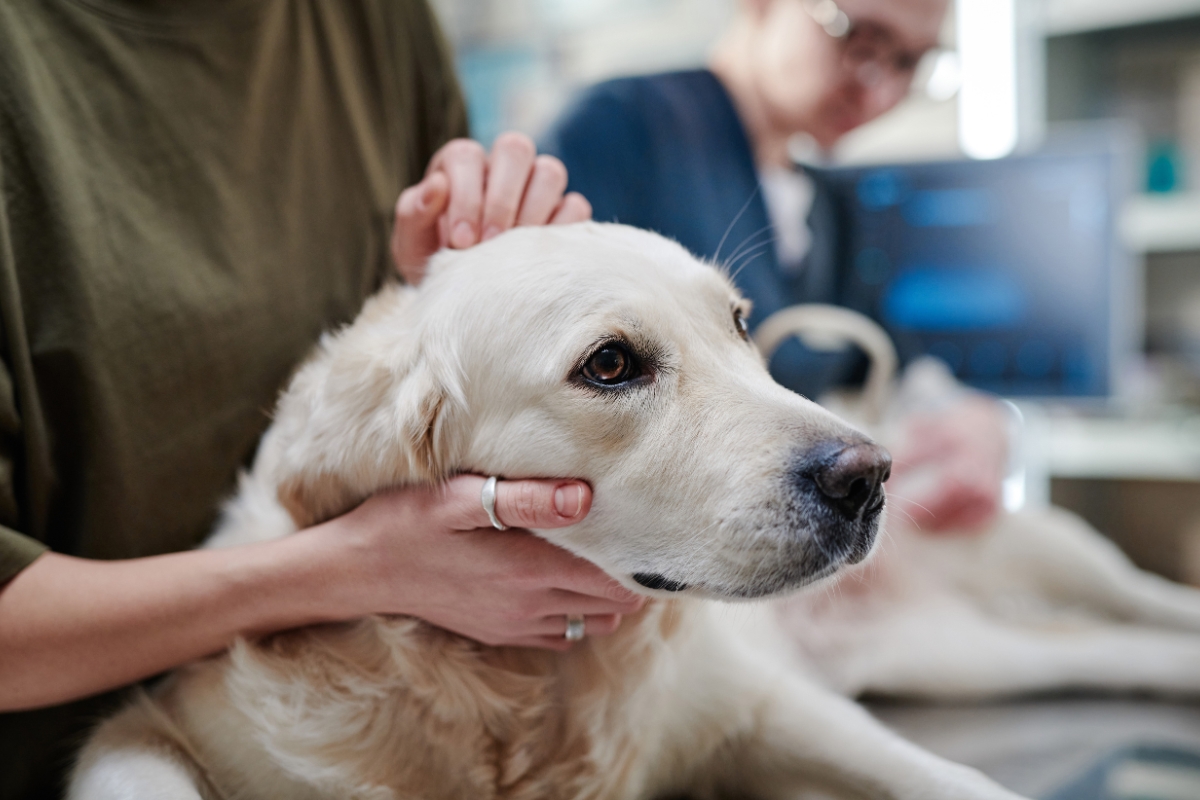
Dogs are naturally curious, and their habit of exploring with their mouths can sometimes lead to dangerous situations. A dropped pill, a piece of chocolate, or a household cleaning product may cause serious health problems. Some toxins produce symptoms within minutes, while others take hours or days to affect a dog’s health.
Knowing what to do when your dog swallows something harmful can make a difference in their recovery. Recognizing warning signs, avoiding unsafe home remedies, and contacting a veterinarian promptly can help prevent complications.
At our veterinary practice in Palmetto Bay, we understand how frightening suspected poisoning can be. Our vets help pet owners assess concerning symptoms and determine when immediate veterinary attention is necessary. Understanding common poisoning risks can help you respond quickly and protect your dog’s health.
What Common Household Items Are Toxic to Dogs?
Many everyday products contain ingredients that can harm dogs. Some irritate the digestive system, while others affect the kidneys, liver, heart, or nervous system.
Foods That Can Poison Dogs
Common toxic foods include:
- Chocolate: Contains theobromine and caffeine, which can cause vomiting, tremors, and abnormal heart rhythms.
- Grapes and raisins: Can cause sudden kidney injury, even in small amounts.
- Onions and garlic: May damage red blood cells and cause anemia.
- Xylitol: A sweetener found in some sugar-free products that can cause dangerously low blood sugar and liver damage.
- Macadamia nuts: Can cause weakness, vomiting, and difficulty walking.
- Alcohol: May cause breathing problems, low body temperature, and neurological symptoms.
The severity of poisoning depends on the substance, amount consumed, and individual dog’s response.
Medications and Household Chemicals
Other common hazards include:
- Human pain medications, including ibuprofen and acetaminophen
- Prescription medications
- Rat poison and insecticides
- Antifreeze
- Household cleaning products
- Toxic plants, including sago palms
Keep potentially harmful products in secure cabinets, away from curious pets.
What Should You Do Immediately If Your Dog Eats Something Toxic?
If your dog swallows a potentially poisonous substance, contact a veterinarian or animal poison control service immediately. Do not wait for symptoms.
Remove Your Dog From the Substance
Move your dog away from the source to prevent further exposure. Secure any remaining product without putting yourself at risk.
Identify What Your Dog Swallowed
Gather the following information:
- Name of the substance
- Approximate amount consumed
- Time of exposure
- Your dog’s weight
- Any symptoms already present
Save the product packaging or photograph the ingredient label.
Contact a Veterinarian
Some toxins begin damaging internal organs before symptoms appear. Early veterinary guidance helps determine the appropriate response.
You can also contact:
- ASPCA Animal Poison Control: (888) 426-4435
- Pet Poison Helpline: (855) 764-7661
Consultation fees may apply.
Avoid Home Remedies
Never induce vomiting unless instructed by a veterinarian or animal poison control professional. Vomiting can worsen certain exposures, particularly when dogs swallow corrosive chemicals or petroleum products. Do not give milk, salt, hydrogen peroxide, activated charcoal, or human medications without veterinary instructions.
Follow Veterinary Instructions
Your veterinarian may recommend immediate examination, diagnostic testing, or monitoring. Follow their instructions carefully and arrange transportation if your dog needs medical attention.
What Are the Warning Signs of Poisoning in Dogs?
Poisoning symptoms vary depending on the substance and amount consumed.
Common warning signs include:
- Vomiting or diarrhea
- Excessive drooling
- Loss of appetite
- Unusual weakness or tiredness
- Tremors or muscle twitching
- Difficulty walking
- Abdominal discomfort
- Increased thirst or urination
- Confusion or unusual behavior
Severe poisoning may cause seizures, breathing difficulties, collapse, or unconsciousness.
Important: Some dogs show no immediate symptoms despite swallowing a dangerous substance. Delayed kidney or liver damage can occur after certain exposures.
Never assume your dog is safe simply because they appear normal.
When Does Your Dog Need Urgent Veterinary Attention?
Any suspected toxic ingestion requires prompt veterinary advice. Certain symptoms indicate a medical emergency.
Seek immediate veterinary attention if your dog:
- Experiences seizures or severe tremors
- Has difficulty breathing
- Collapses or becomes unresponsive
- Develops repeated vomiting
- Shows severe weakness
- Has pale or unusually colored gums
- Swallows a substance known to cause serious poisoning
Substances such as xylitol, antifreeze, grapes, raisins, and certain human medications require immediate veterinary assessment, even without symptoms. For families in Palmetto Bay, access to urgent pet care can help reduce delays when a dog needs prompt evaluation.
If your dog develops life-threatening symptoms, go directly to an emergency veterinary facility.
How Do Veterinarians Diagnose and Treat Poisoning in Dogs?
Treatment depends on the suspected toxin, time since exposure, and your dog’s condition.
Physical Examination
The veterinarian reviews your dog’s exposure history and examines their overall health.
The examination may include checking:
- Heart rate and breathing
- Body temperature
- Hydration
- Gum color
- Neurological responses
- Abdominal discomfort
Diagnostic Testing
Depending on the exposure, veterinarians may recommend bloodwork, urinalysis, or additional tests. These evaluations can help identify kidney problems, liver injury, blood sugar abnormalities, and electrolyte imbalances. Some complications develop gradually, making follow-up testing necessary.
Treatment and Monitoring
Possible treatments include:
- Medically supervised vomiting induction when appropriate
- Activated charcoal for certain toxins
- Intravenous fluids
- Medications to manage symptoms
- Specific antidotes when available
- Hospitalization or emergency referral
Not every poison has an antidote. Treatment often focuses on limiting toxin absorption and supporting affected organs.
Can a Dog Recover Completely After Poisoning?
Many dogs recover from toxic exposure, particularly when treatment begins promptly.
However, recovery depends on several factors:
- Type and amount of toxin consumed
- Time between exposure and treatment
- Your dog’s age and overall health
- Whether internal organs were affected
Some dogs require brief observation, while others need hospitalization and continued treatment.
Certain toxins may cause lasting kidney or liver damage. Follow-up examinations help monitor recovery and detect delayed complications.
How Can You Prevent Accidental Dog Poisoning?
Simple household precautions can reduce poisoning risks.
- Secure medications: Store human and pet medications inside closed cabinets.
- Keep toxic foods inaccessible: Never leave chocolate, grapes, or sugar-free products within reach.
- Store chemicals safely: Keep cleaning products, pesticides, and automotive fluids secured.
- Check household plants: Research plant toxicity before bringing new plants home.
- Use covered trash containers: Prevent access to discarded food and packaging.
- Supervise outdoor activities: Watch for mushrooms, pesticides, and discarded food.
Pet owners in Palmetto Bay should also watch for sago palms and lawn treatment products.
If accidental exposure occurs, urgent pet care may be necessary to prevent serious complications.
Protect Your Dog With Prompt Veterinary Attention
Accidental poisoning can happen despite careful precautions. Recognizing harmful substances, responding quickly, and seeking veterinary guidance can reduce the risk of serious complications. Early treatment may improve recovery and help protect your dog’s long-term health.
If you live in Palmetto Bay or a surrounding community and suspect your dog has swallowed something toxic, contact South Kendall Animal Hospital. Our veterinary team can help assess your concerns and recommend the appropriate next steps.
Call us at 305-238-2030 for guidance during business hours. If your dog experiences severe symptoms, seek emergency veterinary attention immediately. Don’t wait for their condition to worsen.
Frequently Asked Questions
Q1. What If My Dog Eats Chocolate but Seems Fine?
Ans. Contact a veterinarian immediately. Chocolate toxicity depends on the type, amount consumed, and your dog’s weight. Symptoms may develop later, even when your dog initially appears healthy.
Q2. How Long Does It Take for Dog Poisoning Symptoms to Appear?
Ans. Symptoms may appear within minutes, hours, or days. Some toxins cause immediate digestive problems, while others gradually damage internal organs. Never wait for symptoms before seeking veterinary guidance.
Q3. Can Dogs Recover From Poisoning Without Treatment?
Ans. Some exposures cause mild symptoms, but others can become life-threatening. Only a veterinarian or animal poison control professional can assess the risk and determine whether treatment is necessary.
Q4. Can South Kendall Animal Hospital Help With Suspected Dog Poisoning in Palmetto Bay?
Ans. South Kendall Animal Hospital provides urgent veterinary services during business hours. Our vets can assess your dog’s symptoms and recommend appropriate next steps. Call before arriving so our team can provide guidance.
Q5. Does South Kendall Animal Hospital Offer Testing for Suspected Poisoning?
Ans. South Kendall Animal Hospital provides diagnostic services that may help identify complications associated with toxic exposure. Our veterinary team can recommend appropriate testing based on your dog’s symptoms and exposure history.
Q6. Where Can I Seek Veterinary Help for Dog Poisoning Near Palmetto Bay?
Ans. South Kendall Animal Hospital serves pet owners in Palmetto Bay and nearby communities. Contact our team during business hours for guidance. For life-threatening emergencies or after-hours care, seek a 24-hour emergency veterinary facility.