14201 South Dixie Highway, Palmetto Bay, FL 33176


Maintaining good oral health is an important part of your pet’s overall well-being. Healthy teeth and gums can support proper nutrition, reduce discomfort, and help prevent health issues that may affect other organs. Because of this, many pet owners search for natural ways to keep their pets’ teeth clean, and raw bones are often part of that conversation.
Some advocates claim that chewing raw bones helps remove plaque and tartar while satisfying a pet’s natural chewing instincts. Others warn about potential risks such as broken teeth, digestive issues, and choking hazards. So, what is the truth? Understanding both the benefits and drawbacks can help pet owners make informed decisions about their animal’s dental health.
At South Kendall Animal Hospital, we frequently discuss dental health strategies with pet owners who want safe and effective ways to support their pets’ oral hygiene. For pet owners in Miami, understanding the facts about raw bones can help you choose the best approach for your pet’s long-term health.
Why Dental Health Matters for Pets
Dental disease is one of the most common health conditions seen in dogs and cats. Plaque can begin forming on teeth shortly after eating, and if it is not removed, it can harden into tartar. Over time, this may lead to:
- Bad breath
- Gum inflammation
- Tooth loss
- Pain while eating
- Bacterial infections
Poor oral health can affect more than just the mouth. In some cases, bacteria associated with dental disease may enter the bloodstream and impact major organs.
The Claimed Benefits of Raw Bones
Supporters of raw feeding often recommend raw bones as a natural tool for maintaining oral hygiene.
Potential benefits may include:
Mechanical Cleaning Action
Chewing can create friction against the teeth, which may help remove some plaque buildup before it hardens into tartar.
Mental Enrichment
Many dogs enjoy chewing, and raw bones may provide mental stimulation and help relieve boredom.
Natural Chewing Behavior
Chewing is a normal behavior for many pets. Some owners feel that raw bones offer a more natural chewing experience compared to manufactured alternatives.
While these potential benefits exist, it is important to understand that they do not eliminate all dental health concerns.
The Risks Associated With Raw Bones
Although some pets may chew raw bones without immediate problems, veterinarians frequently see complications associated with their use.
Tooth Fractures
One of the most significant concerns is broken teeth. Bones can be extremely hard, and chewing on them may crack or fracture teeth. Dental fractures can be painful and often require professional treatment.
Choking Hazards
Pieces of bone may break off during chewing. These fragments can become lodged in the throat, creating a potentially dangerous emergency.
Digestive Problems
Bone fragments may irritate the digestive tract or contribute to blockages in some pets. Symptoms can include vomiting, constipation, abdominal pain, or difficulty passing stool.
Mouth Injuries
Sharp edges may cut the tongue, gums, cheeks, or roof of the mouth, causing discomfort and increasing the risk of infection.
Do Raw Bones Actually Prevent Dental Disease?
Many pet owners assume that chewing raw bones alone is enough to maintain healthy teeth. However, dental disease is a complex issue.
While chewing may reduce some plaque accumulation, it typically does not clean every tooth surface. Areas below the gumline, where dental disease often begins, are not effectively addressed through chewing alone.
As a result, relying solely on raw bones may create a false sense of security while underlying dental problems continue to develop.
Safer Alternatives for Maintaining Oral Health
For most pets, a comprehensive approach is often safer and more effective than depending exclusively on raw bones.
Regular Tooth Brushing
Daily or routine brushing remains one of the most effective ways to reduce plaque buildup and support oral health.
Veterinary Dental Exams
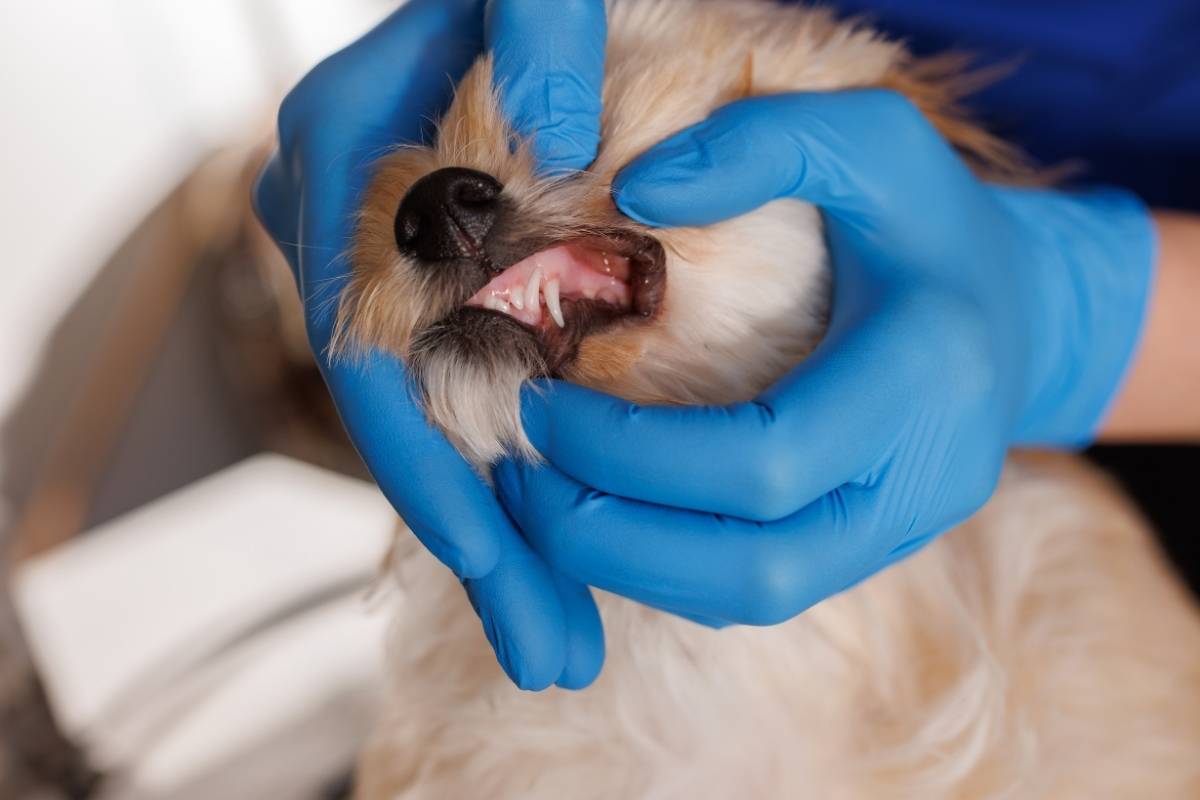
Regular dental evaluations allow veterinarians to identify problems before they become more serious.
Approved Dental Chews
Many veterinary-approved dental products are specifically designed to help reduce plaque and tartar while minimizing injury risks.
Professional Cleanings
Professional cleanings may be recommended based on your pet’s age, breed, and oral health status.
These preventive measures form the foundation of effective pet dental care and can significantly reduce the risk of dental disease.
Which Pets Should Avoid Raw Bones?
Certain pets may face greater risks when chewing bones, including:
- Puppies with developing teeth
- Senior pets
- Pets with existing dental disease
- Aggressive chewers
- Pets with previous digestive issues
- Small breeds prone to dental problems
For these animals, safer alternatives may provide many of the same benefits without the added risks.
How to Make the Best Decision for Your Pet
Every pet is unique. Age, breed, chewing habits, overall health, and dental history all play a role in determining whether raw bones are appropriate.
Before introducing raw bones or any new dental product, it is wise to discuss your pet’s specific needs with a veterinarian. Individual guidance helps ensure that your pet receives the most suitable approach to pet dental care based on their health profile.
The debate surrounding raw bones and dental health continues, but the decision should always be based on your pet’s individual needs and risk factors. While some pets may experience limited dental benefits from chewing raw bones, the potential risks, including fractures, choking, and digestive complications, should not be overlooked. A balanced approach that includes regular dental exams, brushing, and preventive care often provides the most reliable path to lifelong oral health.
If you’re in Miami and need guidance from a vet near you on maintaining your pet’s oral health, schedule your appointment with South Kendall Animal Hospital. Our team can help evaluate your pet’s dental condition, recommend safe preventive strategies, and create a personalized care plan that supports a healthier, happier life for your companion.
FAQs
Q1. Are raw bones safe for all dogs?
Ans. No. Some dogs may experience tooth fractures, digestive issues, or choking hazards when chewing raw bones.
Q2. Can cats benefit from chewing raw bones?
Ans. Cats generally receive fewer dental benefits from bones than dogs and may still face injury risks.
Q3. How often should my pet receive a dental examination?
Ans. Most pets benefit from annual dental evaluations, though some may require more frequent monitoring.
Q4. What are signs of dental disease in pets?
Ans. Bad breath, swollen gums, loose teeth, drooling, and difficulty eating are common warning signs.
Q5. Are dental chews safer than raw bones?
Ans. Many veterinary-approved dental chews are designed to reduce oral health risks while supporting cleaner teeth.
Q6. Can brushing really make a difference?
Ans. Yes. Regular brushing is one of the most effective methods for controlling plaque and promoting long-term oral health.