14201 South Dixie Highway, Palmetto Bay, FL 33176

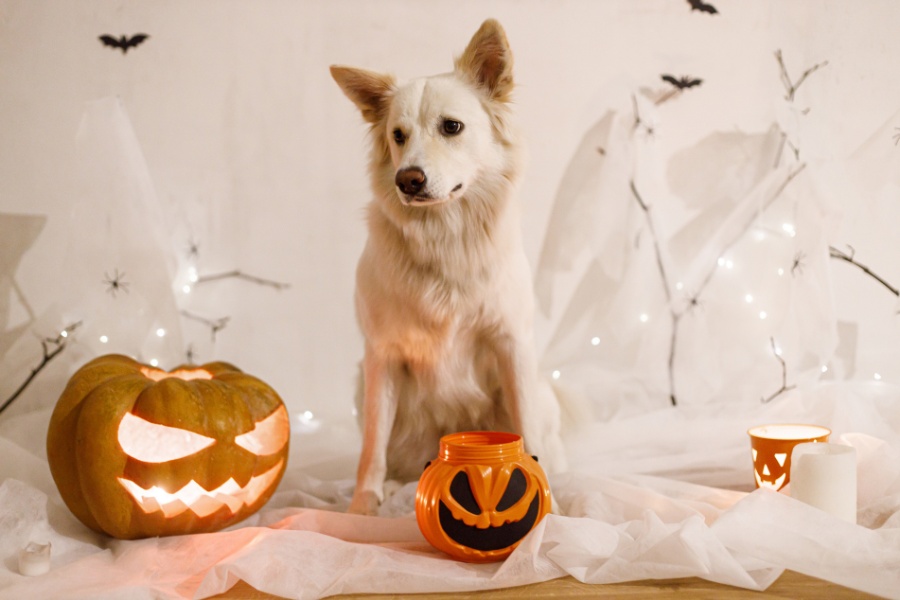
Your normally relaxed dog suddenly starts pacing. Another dog may bark at every sound, hide in another room, refuse dinner, or stay unusually close to you. If this happens on Halloween, the change may have a straightforward explanation.
Halloween changes the sights, sounds, smells, and activity around your home. Doorbells ring repeatedly. Costumed visitors appear at the door. Children may shout outside. Decorations move or make unfamiliar sounds. Your dog cannot understand that these changes are part of a holiday.
For some dogs, this unusual environment can cause fear, excitement, or stress. Others may become overstimulated by everything happening around them.
Understanding why your dog behaves differently can help you make Halloween quieter and safer. It can also help you recognize when an unusual behavior could indicate a medical problem that needs attention from a veterinarian.
Why Can Halloween Affect a Dog’s Behavior?
Dogs rely heavily on familiar patterns. They learn when family members usually arrive home, when meals happen, and what normal neighborhood sounds are like.
Halloween can disrupt many of those patterns at once. According to the ASPCA, repeated visitors, costumes, and increased activity around the front door can frighten or stress pets. Keeping dogs away from busy entryways during peak trick-or-treating hours can reduce some of this stimulation.
Your dog’s reaction will depend on temperament, age, previous experiences, and comfort around unfamiliar people and noises. A dog that enjoys visitors may simply become excited. A nervous dog may respond very differently.
Here are several reasons you might notice unusual behavior.
The Doorbell Keeps Interrupting Their Normal Environment
One or two visitors may not bother your dog. Dozens of visitors over several hours can be another story. Every doorbell ring can signal that someone is entering your dog’s space. Your dog may run toward the door, bark, pace, whine, or become increasingly restless.
Dogs that are naturally alert around visitors may have an especially difficult time settling down between groups of trick-or-treaters. If your dog reacts strongly to the doorbell, consider temporarily disconnecting it or asking visitors to knock quietly. You can also keep your dog in another comfortable part of the house.
Costumes Can Make Familiar People Look Unfamiliar
Dogs recognize people through several cues, including scent, appearance, movement, and voice. Halloween costumes can change those familiar cues.
A large hat, mask, cape, wig, or bulky outfit may make someone appear completely different. Even a family member your dog knows well could trigger hesitation or barking while wearing an unusual costume. Never force your dog to approach someone in costume. Give your dog space and allow them to move away.
Noise Outside Can Put Your Dog on Alert
Halloween can make a normally quiet street surprisingly loud. Children may yell or laugh. Groups may walk past the house. Cars may arrive frequently. Outdoor decorations might play music or sound effects.
A dog that is sensitive to noise may become restless, hide, pant, tremble, bark, or remain unusually watchful. Moving your dog to a quieter interior room can reduce exposure to these sounds. Closing curtains and playing familiar background noise may also help.
Constant Visitors Can Become Overwhelming
Even friendly dogs have limits. A dog that enjoys meeting one visitor may not enjoy meeting 30 people in masks and costumes. Repeated social interactions can become tiring or stressful.
Watch your dog instead of assuming they want to participate.
Possible signs that your dog needs a break include:
- Repeated yawning when they are not tired
- Lip licking
- Pacing
- Panting without recent exercise
- Trembling
- Hiding
- Whining
- Trying to leave
- Barking or growling
- Refusing treats
- Staying unusually close to you
Move your dog away from the activity when they appear uncomfortable.
Your Dog May Become More Protective of the Home
Halloween creates an unusual situation: strangers repeatedly approach your front door. Some dogs may interpret this as something that requires their attention. They may bark more, stand near the entrance, watch windows, or repeatedly patrol the house.
Do not punish a frightened or highly aroused dog for these reactions. Instead, reduce their exposure to whatever is triggering the behavior. A quiet room away from the front door can make the evening easier to manage.
Halloween Costumes May Make Your Dog Uncomfortable
Your dog does not need a costume to participate in Halloween. Some dogs tolerate clothing well. Others become uncomfortable when something restricts their movement or feels unfamiliar against their body.
The ASPCA recommends avoiding pet costumes unless you know your pet is comfortable wearing one. Costumes should not restrict movement, vision, breathing, or normal behavior and should not contain easily chewed pieces that could become choking hazards.
Watch your dog’s body language after putting on a costume. If they freeze, repeatedly scratch at it, attempt to remove it, hide, or behave unusually, take the costume off. A Halloween-themed collar or bandana may be a simpler option for dogs that dislike clothing.
Changes in Your Routine Can Affect Their Behavior
Dogs notice more than we sometimes realize. On Halloween, dinner may happen later. Evening walks may change. Family members may be busy preparing costumes or greeting visitors. Even small changes can affect dogs that depend strongly on routine.
Try to keep feeding, bathroom breaks, exercise, and bedtime close to their normal schedule. A familiar routine can provide some predictability during an unusual evening.
Your Dog May Become Overexcited Rather Than Afraid
Different behavior does not always mean fear. Some dogs become extremely excited when people visit. Repeated activity can leave them unable to settle.
You might notice jumping, running around the house, whining, grabbing toys, pulling toward the door, or ignoring familiar commands. Give your dog a quiet break before excitement becomes difficult to manage. A familiar chew or food puzzle may help occupy some dogs in a calm room away from visitors.
Halloween Behavior Changes Can Sometimes Signal a Medical Emergency
Not every behavioral change on Halloween should automatically be blamed on stress. A dog acting strangely could have eaten something dangerous, swallowed a foreign object, suffered an injury, or developed an unrelated medical problem.
Halloween candy deserves particular attention. Chocolate can be dangerous to dogs, while sugar-free products containing xylitol can cause serious poisoning. Candy wrappers and small costume pieces can also create problems if swallowed. Contact a veterinary professional promptly if you know or suspect your dog consumed something potentially toxic.
You should also take sudden physical or behavioral changes seriously when your dog develops symptoms such as repeated vomiting or diarrhea, seizures, difficulty breathing, significant lethargy, abdominal swelling, inability to stand, or another severe change. These are among the conditions for which the practice advises pet owners to seek prompt veterinary attention.
How Can You Help Your Dog Stay Calm on Halloween?
Preparation can make Halloween much easier for your dog. Before trick-or-treating starts, give your dog an appropriate walk or play session. Allow time for a bathroom break before neighborhood activity becomes busy.
Then prepare a quiet area inside your home. Include familiar bedding, water, and a favorite toy or another safe activity.
During the evening:
- Keep candy securely away from your dog.
- Keep your dog away from frequently opened exterior doors.
- Close curtains if activity outside triggers barking.
- Avoid forcing interactions with costumed visitors.
- Keep identification information current.
- Use a secure leash for outdoor bathroom breaks.
- Remove a pet costume immediately if your dog appears uncomfortable.
- Keep small decorations, costume pieces, electrical cords, and wrappers out of reach.
Halloween also carries an increased opportunity for frightened pets to slip through open doors. Proper identification can improve the chance of a lost pet being returned home.
Should You Take Your Dog Trick-or-Treating?
For many dogs, staying home is the calmer choice. A neighborhood filled with children, unfamiliar costumes, traffic, decorations, and other dogs can create far more stimulation than a normal evening walk.
If your dog is already nervous around strangers or loud environments, Halloween night is probably not the right time to test their tolerance. Dogs that are comfortable outside should still remain securely leashed and closely supervised. Keep them away from dropped candy and discarded wrappers.
When Should a Behavior Change Concern You?
Mild nervousness that appears when trick-or-treating starts and resolves when the environment becomes quiet may simply reflect temporary stress. A sudden or severe behavior change deserves more attention.
Call a veterinarian when your dog’s behavior seems extreme, continues after the Halloween activity ends, or appears alongside physical symptoms. You should also seek veterinary guidance if you cannot determine whether the behavior is caused by fear, pain, poisoning, or illness. When something seems medically urgent, waiting for the behavior to disappear on its own may not be appropriate.
Help Your Dog Have a Safer Halloween
Halloween may last only one night, but several hours of unfamiliar noises, visitors, costumes, and changes in routine can feel overwhelming to a dog. Pay attention to what your dog is communicating through their behavior. Give them space when they need it, maintain familiar routines when possible, and keep candy and other Halloween hazards securely out of reach.
When unusual behavior appears alongside vomiting, breathing problems, seizures, severe lethargy, difficulty standing, or another concerning physical change, veterinary attention may be necessary.
For pet families in Palmetto Bay and nearby communities, South Kendall Animal Hospital provides veterinary services for dogs and cats, including urgent care. For urgent pet care during regular business hours, call 305-238-2030. We ask clients to call right away so the team can assess the situation and determine whether your pet should come to the hospital or be directed to an emergency or critical care facility.
Frequently Asked Questions
Q1. Why is my dog suddenly hiding on Halloween?
Ans. Your dog may be responding to unfamiliar sounds, repeated visitors, costumes, decorations, or increased neighborhood activity. Give them access to a quiet room where they can retreat without being disturbed. If hiding continues after the environment returns to normal or occurs with physical symptoms, contact your veterinarian.
Q2. Why does my dog bark so much at trick-or-treaters?
Ans. Repeated knocks, doorbells, voices, and unfamiliar-looking visitors can keep your dog on alert. Instead of repeatedly bringing your dog to the door, create distance from the activity and provide a comfortable place elsewhere in the house.
Q3. Where can I get urgent pet care in Palmetto Bay if my dog becomes sick on Halloween?
Ans. South Kendall Animal Hospital provides urgent pet care during business hours for pets in Palmetto Bay and surrounding communities. The practice asks pet owners experiencing an emergency during business hours to call first. The team can assess the situation and may direct you to the hospital or an appropriate emergency facility.
Q4. What should I do if my dog eats Halloween candy?
Ans. Remove access to the remaining candy and determine what your dog ate, including the ingredients and approximate amount if possible. Chocolate and products containing xylitol can be dangerous to dogs. Contact a veterinary professional promptly rather than waiting for symptoms to develop.
Q5. Can South Kendall Animal Hospital help if my dog suddenly acts sick in Palmetto Bay?
Ans. Yes. South Kendall Animal Hospital offers urgent care and advises clients to call immediately when an emergency occurs during normal business hours. Depending on the situation, the team may direct you to the hospital or recommend an emergency or critical care facility.
Q6. Should I call South Kendall Animal Hospital if I am unsure whether my dog’s Halloween behavior is an emergency?
Ans.Yes. If your dog has a sudden behavior change accompanied by physical symptoms, South Kendall Animal Hospital advises pet owners experiencing an emergency during business hours to call right away. Calling allows the veterinary team to help assess the situation and advise you about the appropriate next step.
Related Articles