14201 South Dixie Highway, Palmetto Bay, FL 33176

Few things are scarier than noticing a sudden change in your beloved cat’s health. As dedicated pet owners, we are tuned into every purr, chirp, and nap. Therefore, when you observe your cat breathing fast, it’s natural to feel immediate panic. This rapid increase in the respiratory rate can be a critical sign, sometimes indicating a non-urgent issue like stress, but often pointing toward a serious medical emergency.
Understanding the difference between normal feline breathing and dangerous feline respiratory distress is essential for saving your cat’s life. This guide will help you quickly assess the situation, take immediate action, and know definitively when a trip to the emergency room is necessary.
Understanding Your Cat’s Normal Respiratory Rate
Before you can identify rapid or labored breathing in your cat, you must know what normal looks like. Cats generally breathe much faster than humans, but only when resting or asleep.
The normal breathing rate for cats is surprisingly slow and steady when they are calm. This rate should be measured when your cat is resting peacefully, not after play or a zoomies session.
How to Check Your Cat’s Breathing Rate
Checking your cat’s respiratory rate is a simple but vital skill. Knowing this baseline can empower you to detect subtle changes instantly.
Here’s how to do it:
- Wait for Sleep: Ensure your cat is sound asleep or deeply relaxed.
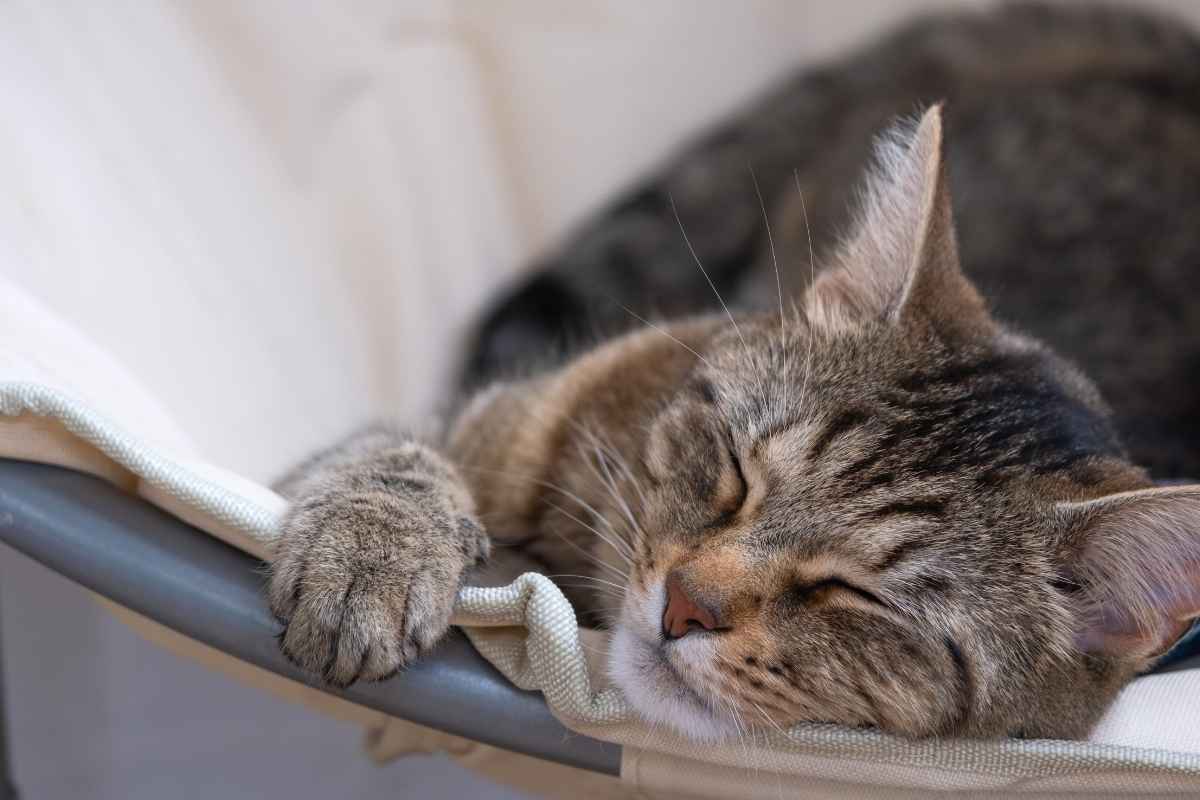
- Observe the Chest: Watch the rise and fall of their chest or abdomen. One rise and one fall counts as a single breath.
- Time the Count: Use a stopwatch and count the breaths over 30 seconds.
- Calculate: Multiply the 30-second count by two to get the breaths per minute (bpm).
The Standard: A healthy cat at rest should have a respiratory rate between 15 and 30 breaths per minute. A rate above 40 bpm while resting is cause for concern.
Recognizing Signs of Feline Respiratory Distress
When a cat is experiencing an increased respiratory rate due to illness, it will exhibit signs far beyond just speed. These visual cues are often clear indicators that oxygen levels are compromised.
Look out for these signs of true respiratory distress:
- Shallow Breathing: Rapid, small breaths that don’t seem to fully fill the lungs.
- Open-Mouth Breathing or Panting: Unlike dogs, cats rarely pant. If your cat is panting without intense heat or strenuous play, it is a medical emergency.
- Abdominal Movement: The stomach or abdomen visibly contracts to help push air out. This is a sign the cat is struggling.
- Blue/Purple Gums: A severe sign of lack of oxygen (cyanosis). This requires immediate emergency care.
- Stretching the Neck Out: Often trying to align the airway to make breathing easier.
Why Is My Cat Breathing Rapidly?
When your cat is breathing fast, the underlying causes range from minor environmental triggers to life-threatening internal issues. It is crucial to determine if the cause is behavioral or medical.
Environmental and Behavioral Causes
Sometimes, rapid breathing in cats is a temporary reaction to their environment.
- Stress or Fear: A trip to the vet, loud noises, or the introduction of a new pet can trigger anxiety, leading to a temporarily high heart and breathing rate.
- Overheating: While rare, if a cat is trapped in a hot car or is exercising intensely in a warm environment, its breathing may increase dramatically as it attempts to cool down.
Serious Medical Conditions
If the rapid breathing persists while the cat is relaxed, a medical cause is highly probable.
- Feline Asthma: This common condition causes inflammation and constriction of the airways, making inhalation and exhalation difficult.
- Congestive Heart Failure (CHF): When the heart fails to pump blood efficiently, fluid can back up into the lungs (pulmonary edema), severely impairing the ability to breathe normally.
- Pneumonia or Infections: Lung infections fill the air sacs with fluid or pus.
- Pain or Trauma: Severe pain from an injury or internal trauma can trigger a sympathetic nervous system response, leading to rapid, shallow breaths.
- Masses or Tumors: Growths in the chest cavity can restrict lung expansion.
Recognizing signs of illness early is key to ensuring your cat stays healthy for years to come. Routine preventive care, like regular dental cleanings, is paramount. If you are looking for trusted experts who can help manage preventive health, contact the veterinary hospital in Miami to schedule a consultation today.
Immediate Steps: What to Do If You Spot Rapid Breathing
If you notice your cat breathing fast and it isn’t immediately clear why, your primary goal is assessment and stabilization.
- Stay Calm: Cats are highly attuned to human emotion. If you panic, your cat will panic, increasing their heart rate and potentially worsening their breathing.
- Move to a Quiet, Cool Space: If the cat appears hot or stressed, immediately move them to a cool, dark, quiet room away from any perceived threats (other pets, loud children).
- Attempt a Count: If possible, discreetly try to count their breaths to confirm the rate is truly elevated (over 40 bpm).
- Do NOT Force Restraint: If your cat is struggling to breathe, holding them down or struggling to get them into a carrier can stress them further and compromise their oxygen intake.
When to Seek Emergency Veterinary Care
There are specific warning signs that indicate rapid breathing is a true crisis requiring immediate attention.
Do not wait if you observe any of the following:
- Any form of open-mouth breathing.
- The cat’s resting respiratory rate remains above 40 breaths per minute for more than 15 minutes.
- Visible effort or forceful movement of the abdomen during breathing.
- Lethargy, collapse, or inability to move normally.
- Blue or grey gums/tongue.
If your cat is displaying any of these critical signs, call your emergency clinic immediately while you prepare to transport them. Rapid diagnosis and oxygen therapy are often crucial in these situations.
Frequently Asked Questions:
Q1: Can a cat breathe fast just because it’s hot?
Ans: While panting is common in overheated dogs, it is rare in cats. A cat panting solely from heat is often an indicator of severe overheating (heatstroke) and should be taken very seriously and treated as an emergency.
Q2: Should I wake my cat up to check its respiratory rate?
Ans: No, you should always check the respiratory rate when the cat is naturally asleep or deeply relaxed. Waking them up will temporarily increase their breathing due to the slight adrenaline rush, giving you an inaccurate reading.
Q3: What is the difference between panting and open-mouth breathing in cats?
Ans: Panting involves quick, shallow breaths, typically with the tongue slightly out (often due to heat). Open-mouth breathing is generally more distressed, often accompanied by neck stretching or visible labored breathing, and is a critical sign of oxygen deprivation.
Q4: How can I tell if my cat’s rapid breathing is due to pain?
Ans: If rapid breathing is pain-related, it is often accompanied by other signs of discomfort, such as hiding, reluctance to move, hunched posture, or dilated pupils. Any unexplained rapid breathing needs a veterinary assessment to rule out severe underlying pain.
Q5: Does a purr mask signs of feline respiratory distress?
Ans: Sometimes, yes. Cats often purr when they are stressed or injured, as purring is believed to be a self-soothing or healing mechanism. Therefore, a purring cat that also has a high increased respiratory rate should not be overlooked; they may still be struggling.
Q6: Where can I get immediate assistance if my cat is struggling to breathe in the middle of the night?
Ans: If you need emergency care outside of regular hours, you should contact the nearest 24-hour animal emergency room for immediate guidance. Experts at South Kendall Animal Hospital recommend having the number of a local emergency clinic posted in an accessible place.