Uncover Hidden Health Issues With Advanced Dog Diagnostics
At South Kendall Animal Hospital in Palmetto Bay, we know how important your dog’s health is. As pet owners, it can be challenging to recognize health problems in your furry friend because dogs often hide pain and discomfort. Our dog diagnostic care services are essential for uncovering hidden issues early on. With cutting-edge diagnostic tools and a team of qualified veterinarians, we can detect health concerns before they become serious, ensuring that your dog receives the best possible care.
We are primarily located in Palmetto Bay, but dont worry if you belong to the surrounding areas of Miami, South Miami, Homestead, Cutler Bay, Coral Gables, Pinecrest, and Coconut Grove. We expand our services to the residents of all these nearby areas, offering comprehensive diagnostic care to support your dog’s health and well-being.
Why Diagnostic Care is Crucial for Canines
Dogs often conceal pain and illness, making it difficult for you to spot problems early with the help of diagnostic care for dogs. Early detection of health issues can lead to more effective and less invasive treatments. At South Kendall Animal Hospital, we use the latest diagnostic technologies to identify hidden health problems before they escalate.
By diagnosing conditions such as infections, organ dysfunction, heart disease, and even cancer, we can help your dog lead a healthier, happier life. Early intervention means fewer complications and a quicker recovery.
All Comprehensive Dog Diagnostic Services We Provide
At South Kendall Animal Hospital, we offer a variety of diagnostic tests to ensure your dog is in the best possible health. Our diagnostic services include:
Bloodwork
Blood tests are a key part of evaluating your dog’s overall health. Bloodwork can help identify a wide range of issues, from infections and liver function to kidney disease and anemia. It’s a simple yet effective test that provides us with valuable insights into your dog’s health, allowing us to detect problems before they become severe.
Fecal Analysis
Fecal analysis is crucial for detecting internal parasites, bacteria, and other gastrointestinal issues. Parasites such as roundworms, hookworms, and Giardia can cause a variety of health problems for your dog, and fecal testing allows us to identify these issues and provide the appropriate treatment.
Digital Radiography (X-rays)
Digital radiography allows us to take clear, detailed X-ray images of your dog’s bones, organs, and other internal structures. It is used to detect fractures, tumors, lung disease, heart conditions, and other abnormalities. The advanced technology in our radiology suite enables us to quickly assess your dog’s health and determine the best course of treatment.
Ultrasound Imaging
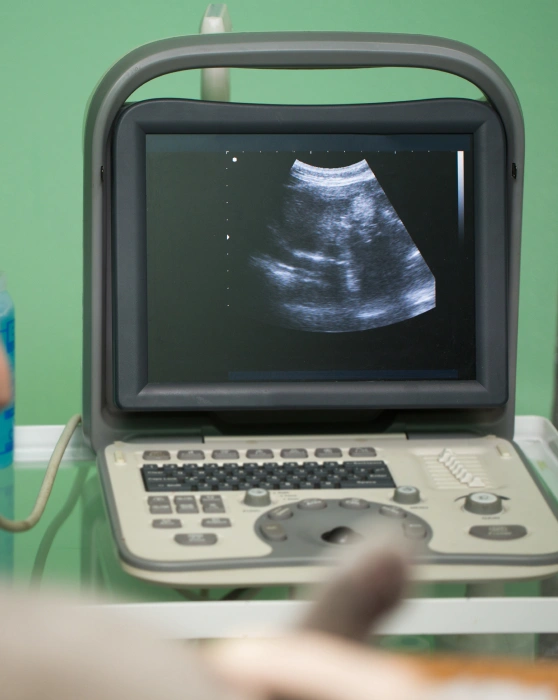
Ultrasound is an important diagnostic tool that uses sound waves to create real-time images of your dog’s internal organs. Ultrasound is especially useful for examining soft tissues like the liver, kidneys, and heart. It is non-invasive and provides a clear picture of your dog’s health, helping us identify problems such as tumors, cysts, or fluid buildup.
Urinalysis
A urinalysis is a simple test that analyzes your dog’s urine for signs of infection, kidney problems, or diabetes. It can detect abnormal levels of proteins, glucose, and other substances that may indicate underlying health issues. Regular urinalysis helps us monitor your dog’s kidney function and urinary tract health.
Electrocardiogram (EKG)
An electrocardiogram (EKG or ECG) is used to monitor your dog’s heart function. It measures the electrical activity of the heart and helps us detect arrhythmias, heart disease, and other heart-related issues. EKGs are particularly helpful for dogs showing signs of heart problems, such as coughing, lethargy, or difficulty breathing.
Skin Impression Smears/Ear Cytology
Skin and ear problems are common in dogs, but they can sometimes be difficult to diagnose. Skin impression smears and ear cytology are diagnostic techniques that help us identify bacteria, yeast, or parasites that may be causing itching, infections, or discomfort. These tests are essential for dogs with persistent skin or ear conditions.
Common Health Problems We Diagnose
With our advanced diagnostic care for dogs, we can detect and treat a wide range of health issues. Some of the most common conditions we diagnose include:
- Dental Disease: Poor dental health can lead to gum disease, tooth loss, and systemic infections. Our diagnostic services, including X-rays and oral exams, help us assess your dog’s oral health and recommend appropriate treatment.
- Infections: Bacterial, viral, and parasitic infections can affect your dog’s health. With tests like bloodwork, fecal analysis, and skin smears, we can quickly identify the type of infection and begin treatment.
- Heart Disease: Heart problems are common in older dogs. An EKG and radiographs allow us to evaluate your dog’s heart health and address any issues before they become life-threatening.
- Cancer: Early detection of tumors and abnormal growths is key to improving your dog’s chances of successful treatment. Our diagnostic services, including X-rays, ultrasound, and biopsies, help identify cancers early on.
- Kidney Disease: Kidney problems can lead to severe health complications if left untreated. Blood tests and urinalysis help us monitor kidney function and detect abnormalities.
What to Expect During a Dog Diagnostic Appointment
When you bring your dog in for diagnostic care at South Kendall Animal Hospital, here’s what you can expect:
- Consultation: We’ll begin by discussing your dog’s medical history, symptoms, and any concerns you have about their health.
- Examination: Our veterinary team will perform a thorough physical examination of your dog, checking for signs of pain, swelling, or other health issues.
- Diagnostic Testing: Based on your dog’s symptoms and examination results, we may recommend specific tests such as bloodwork, radiographs, or ultrasound imaging.
- Diagnosis and Treatment Plan: Once we receive the diagnostic test results, we will provide a diagnosis and discuss the best treatment options for your dog’s condition.
Protect Your Dog’s Health With Our Diagnostic Care
At South Kendall Animal Hospital, we provide comprehensive dog diagnostic care for pets in Palmetto Bay, Miami, South Miami, Homestead, Cutler Bay, Coral Gables, Pinecrest, and Coconut Grove. Our team is committed to ensuring your dog’s health is our top priority.
If you suspect your dog may be suffering from an undiagnosed condition, don’t wait to get help. Early detection is crucial for effective treatment and recovery. Call us today to schedule an appointment or book online at your convenience. Let us help ensure that your dog receives the best possible care and enjoys a long, healthy life. Your dog’s health is our passion. Schedule a diagnostic appointment today.
Frequently Asked Questions
When you bring your dog in for a checkup, we typically perform a physical exam, bloodwork, fecal analysis, urinalysis, and sometimes X-rays or an ultrasound. These tests help detect infections, parasites, organ disease, or underlying conditions that might not be immediately visible, allowing us to treat your dog effectively.
If your dog is showing signs like lethargy, unexplained weight loss, vomiting, diarrhea, or difficulty breathing, diagnostic care may be necessary. Dogs often hide symptoms until conditions become severe, so if you're concerned about sudden behavioral changes, it's best to schedule a diagnostic evaluation to uncover potential health issues.
Diagnostic tests like bloodwork, urine tests, and fecal analysis are non-invasive and generally not painful. X-rays and ultrasounds are also painless, though your dog might need to remain still. In more specialized cases, like biopsies, mild sedation may be used to ensure comfort and precision during the procedure.
Fecal analysis helps detect internal parasites, such as roundworms, hookworms, and Giardia, which can cause gastrointestinal issues, weight loss, and poor coat health. Regular fecal exams are essential for preventing parasite infestations that could lead to more severe health problems for your dog if left untreated.
Yes, even if your dog appears healthy, bloodwork is an important diagnostic tool for monitoring internal health. Blood tests can detect underlying conditions such as kidney disease, liver problems, infections, or diabetes that might not show visible symptoms. Regular bloodwork helps catch issues early.
Ultrasound provides real-time images of your dog’s internal organs, such as the heart, liver, and kidneys. It helps us detect soft-tissue conditions, such as tumors, cysts, or fluid buildup. Ultrasound is non-invasive and pain-free, offering a comprehensive look at your dog’s health without surgery.
An electrocardiogram (EKG) is highly accurate for detecting irregular heart rhythms, such as arrhythmias, as well as other heart-related issues. It measures the electrical activity of the heart, helping to identify conditions such as atrial fibrillation or heart disease. EKGs provide critical information for diagnosing and effectively treating your dog’s heart health.