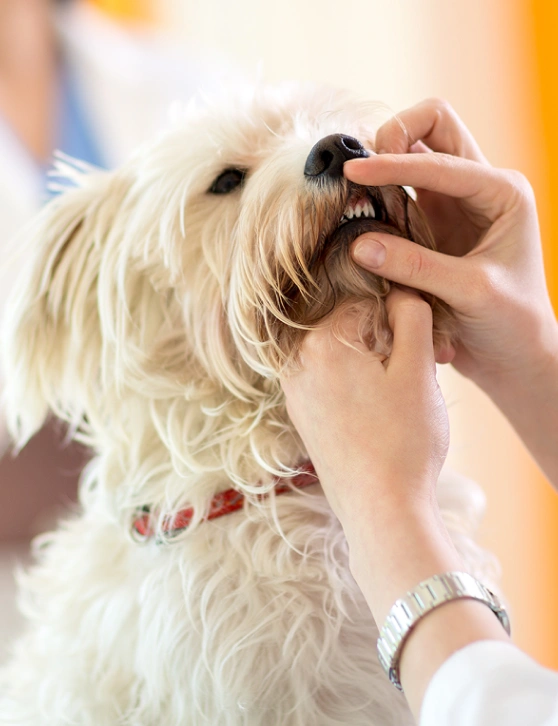
Professional Dental Care for Your Dog’s Long-Term Health
Oral health plays an important role in a dog’s overall well-being. Dental problems in dogs often begin quietly and progress over time, eventually leading to discomfort, infections, and other health concerns. At South Kendall Animal Hospital, our veterinary team provides dog dental services designed to help dogs maintain healthy teeth and gums.
Regular dental care helps prevent plaque buildup, gum disease, and other oral conditions that can affect your dog’s daily comfort. Through routine examinations, professional cleanings, and advanced dental procedures, we work to detect and address dental issues early.
Situated southwest of Downtown Miami, just off U.S. Route 1, our hospital is located directly below the Palmetto Golf Course. We serve dogs and pet owners not only in Palmetto Bay, but also in the surrounding areas of Miami, South Miami, Homestead, Cutler Bay, Coral Gables, Pinecrest, and Coconut Grove who are seeking veterinary dental care.
Why Dental Health is Important for Dogs
Dental disease is one of the most common health issues affecting dogs. Plaque and bacteria accumulate on the teeth over time, leading to gum inflammation, infection, and tooth damage.
When left untreated, oral bacteria may spread through the bloodstream and affect other organs. Maintaining your dog’s dental health supports their comfort and contributes to overall health and longevity. Routine veterinary dental care allows problems to be identified early and treated before they become more serious.
Signs Your Dog May Need Veterinary Dental Care
Some dental issues develop gradually, making them difficult to notice at first. However, certain symptoms may indicate that a dog needs professional dental attention.
Common signs include:
- Persistent bad breath
- Difficulty chewing food
- Swollen or bleeding gums
- Loose or damaged teeth
- Excessive drooling
- Pawing at the mouth
If any of these symptoms appear, a veterinary dental examination may be recommended.
Professional Dental Procedures Available for Dogs
Dog dental care includes both preventive treatments and procedures designed to address existing oral health concerns. Regular dental care for dogs helps maintain healthier teeth and gums while allowing veterinarians to detect potential problems before they become more serious. Through examinations, cleanings, and diagnostic tools, veterinary dental care supports your dog’s overall health and comfort.
Common dog dental services include:
- Dental Examinations: Routine oral exams allow veterinarians to evaluate the teeth, gums, and surrounding tissues carefully. These evaluations help identify early signs of plaque buildup, gum inflammation, or other dental concerns.
- Professional Dental Cleanings: Professional cleanings remove plaque and hardened tartar from the surfaces of the teeth and, beneath the gumline, helping to reduce bacteria that contribute to dental disease.
- Tooth Extractions: When a tooth is severely damaged, loose, or infected, removal may be recommended. Extracting the affected tooth can relieve discomfort and protect surrounding tissues from further infection.
- Dental X-Rays: Dental radiographs provide detailed images of tooth roots and jawbone structures that are not visible during a standard oral exam. These images help identify hidden infections or structural problems.
- Treatment for Gum Disease: Gum disease is a common dental condition in dogs. Depending on the severity, treatment may include deep cleaning, medication, or additional dental procedures to manage the infection and protect oral health.
How Veterinary Dental Cleanings Work
Veterinary dental cleanings help maintain healthy teeth and gums in dogs. These procedures are typically performed under anesthesia so veterinarians can safely examine the entire mouth and clean areas that are difficult to reach while the dog is awake.
During the procedure, the veterinary team carefully removes plaque and tartar buildup from the teeth and evaluates the overall condition of the gums and surrounding tissues.
A professional dental cleaning usually includes:
- Scaling to remove plaque and hardened tartar from the teeth
- Polishing the teeth to smooth surfaces and reduce future buildup
- Examining the gums for signs of inflammation or infection
- Taking dental X-rays when needed to evaluate tooth roots and bone structures
This thorough process allows veterinarians to identify hidden oral health concerns and provide treatment recommendations that support your dog’s long-term dental health.
Preventive Dental Care for Your Canine
Preventive dental care plays an important role in protecting your dog’s oral health. Without routine care, plaque can accumulate on the teeth and eventually lead to gum disease, infection, and tooth damage.
Regular veterinary dental checkups allow potential problems to be identified early before they progress into more serious conditions.
Pet owners can support their dog’s dental health through simple preventive care practices such as:
- Scheduling routine dental examinations with a veterinarian
- Maintaining a consistent dental care routine at home
- Providing foods or products designed to support oral health
- Monitoring the mouth for signs of bad breath or gum changes
These steps help keep teeth cleaner and allow veterinarians to detect dental concerns early, supporting healthier teeth and gums throughout a dog’s life.
Veterinary Dental Care for Dogs in Palmetto Bay
Healthy teeth and gums play an important role in your dog’s comfort and overall well-being. If your pet is showing signs of dental problems or it has been a while since their last oral exam, professional care can help identify and address concerns early.
At South Kendall Animal Hospital, we provide dog dental care in Palmetto Bay and nearby communities, including Miami, South Miami, Homestead, Cutler Bay, Coral Gables, Pinecrest, and Coconut Grove. Our veterinary team focuses on preventive dental services and treatment options that help maintain strong teeth, healthier gums, and better long-term oral health for canine patients. Reach out to our team to learn more about dental care options designed to support your dog’s daily comfort.
Frequently Asked Questions
Dental X-rays allow veterinarians to evaluate the structures beneath the gumline, including tooth roots and surrounding bone. Some dental problems develop below the surface, and radiographs help identify infections, fractures, or other abnormalities that cannot be detected during a visual exam.
The length of a dental cleaning depends on the condition of the dog’s teeth and whether additional procedures are required. Routine cleanings often take about an hour, while more complex dental treatments may take longer.
Yes. Veterinary dental procedures are typically performed under anesthesia to allow a thorough cleaning and detailed oral examination. Anesthesia helps keep the dog comfortable while allowing veterinarians to access all areas of the mouth safely.
Signs of gum disease may include red or swollen gums, bleeding while chewing, bad breath, loose teeth, and difficulty eating. These symptoms indicate that a veterinarian should examine the dog for a dental examination.
Yes. Bacteria from dental infections may enter the bloodstream and potentially affect organs such as the heart, liver, and kidneys, which is why veterinary dental care is considered an important part of maintaining overall health.
If a tooth becomes infected, the surrounding tissue may become inflamed and painful. Veterinarians may recommend treatments such as medication, dental cleaning, or tooth extraction to remove the infection and prevent it from spreading.
Tooth extractions may be recommended when a tooth is severely damaged, infected, or otherwise nonrestorable. Removing the affected tooth often helps relieve discomfort and prevents the infection from affecting nearby teeth or gum tissue.