14201 South Dixie Highway, Palmetto Bay, FL 33176

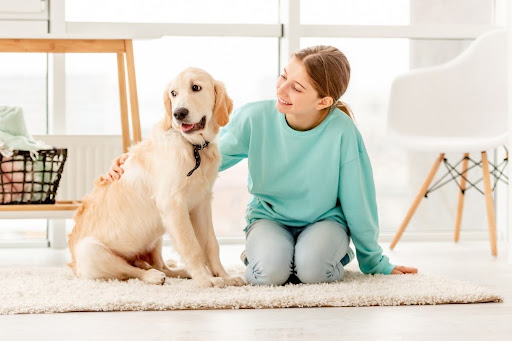
Dogs are social animals, and many breeds are naturally inclined to develop close relationships with the people who care for them. While genetics can influence temperament, a dog’s personality, early experiences, training, socialization, and daily environment also play important roles in how strongly they bond with their family.
At South Kendall Animal Hospital, understanding a dog’s individual temperament is an important part of supporting lifelong health and well-being. Whether you have a naturally affectionate breed or a more independent companion, consistent care, positive interactions, and a stable environment can help create a trusting relationship between you and your dog.
What Makes a Dog Form a Strong Bond With Its Owner?
A strong human-dog bond does not depend entirely on breed. Dogs often become attached to people who consistently provide food, safety, companionship, training, exercise, and positive experiences.
Some breeds, however, were historically developed to work closely with people. Herding dogs, sporting dogs, and companion breeds may be particularly attentive to their families or eager to participate in daily activities.
Important factors that influence bonding include:
- Genetics and breed temperament
- Early socialization
- Positive reinforcement training
- Consistent daily routines
- Quality time with family members
- Exercise and mental stimulation
- Individual personality
- Trust and predictable interactions
With these factors in mind, some breeds are especially well known for forming close relationships with their owners.
7 Dog Breeds That Form Strong Bonds With Their Owners
1. Labrador Retriever
Labrador Retrievers are among the most popular companion dogs in the United States, and their friendly, social nature helps explain their widespread appeal. They generally enjoy spending time with people and often thrive when included in family activities.
Labs were originally developed as working and retrieving dogs, which contributed to their trainability and willingness to cooperate with humans. Their combination of affection, enthusiasm, and adaptability can make them deeply connected to their families.
However, their friendly personality comes with significant exercise needs. Daily walks, interactive games, retrieving activities, and training sessions can help keep a Labrador physically and mentally engaged.
Owners should also monitor food intake and body condition because Labs can be prone to weight gain.
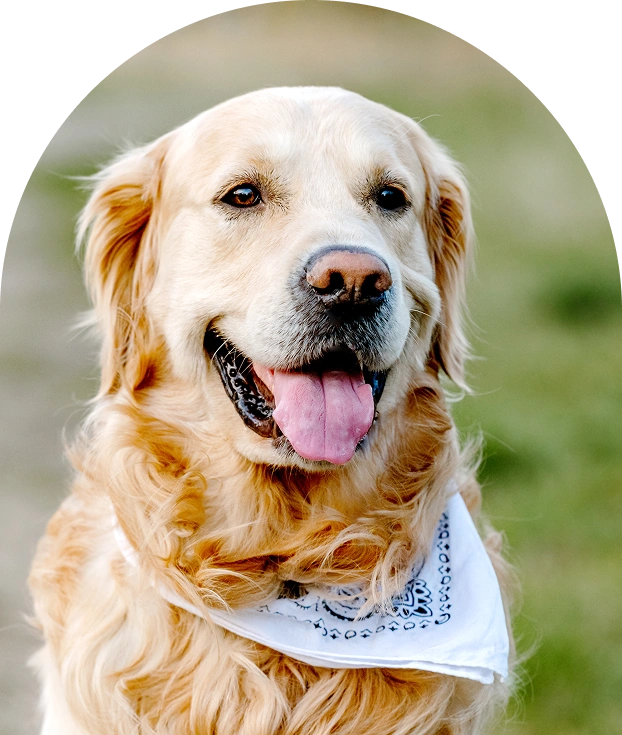
2. Golden Retriever
Golden Retrievers are known for their affectionate, social, and cooperative personalities. They often enjoy close interaction with family members and may form strong attachments to the people who care for them.
Originally developed as retrieving dogs, Goldens tend to enjoy activities that involve working alongside people. Positive training can strengthen communication while giving them an opportunity to use their intelligence.
Regular exercise is important for this active breed. Swimming, retrieving games, walks, and interactive training can provide both physical activity and mental stimulation.
Because Golden Retrievers can be enthusiastic and energetic, establishing consistent boundaries and training from an early age can help develop good manners while preserving their naturally friendly personality.
3. German Shepherd
German Shepherds are intelligent, attentive dogs that often develop strong relationships with their families. Their history as working and service dogs means many are naturally responsive to human direction and environmental changes.
A German Shepherd may closely observe its owner’s behavior and enjoy having a job to perform. Training, scent games, obedience exercises, and structured activities can help channel their intelligence in positive ways.
Early socialization is particularly important. Exposing a young German Shepherd to appropriate people, animals, environments, sounds, and experiences can help support confident behavior.
Their protective instincts should also be managed through responsible training and socialization rather than encouraged through fear or aggression.
4. Cavalier King Charles Spaniel
Cavalier King Charles Spaniels were developed primarily as companion dogs and often enjoy being close to their families. Their affectionate nature can make them particularly people-oriented.
Many Cavaliers enjoy sitting beside their owners, following family members around the home, and participating in everyday activities. However, their small size does not mean they should be treated as decorative pets. They still benefit from regular walks, play, training, and social interaction.
Because Cavaliers can become very attached to their families, owners should also encourage healthy independence. Gradually teaching a dog to remain comfortable when alone can help reduce the risk of separation-related distress.
5. Border Collie
Border Collies are exceptionally intelligent working dogs that often form strong partnerships with their owners. Their history as herding dogs required close communication with humans, and many continue to thrive when they have meaningful activities to perform.
A Border Collie’s bond often develops through shared work. Training, agility, obedience, puzzle toys, scent activities, and structured games can provide the mental challenges this breed needs.
Simply providing physical exercise may not be enough. Without sufficient mental stimulation, an under-stimulated Border Collie may develop unwanted behaviors such as excessive barking, chewing, or attempts to herd people and other animals.
Owners who enjoy active training and interactive activities may find this breed particularly rewarding.
6. Australian Shepherd
Australian Shepherds are energetic, intelligent, and people-oriented dogs that often develop close relationships with their families. Despite their name, the breed was developed primarily in the United States and became associated with ranch and livestock work.
Aussies typically benefit from having regular activities and opportunities to learn. Training sessions can strengthen communication while helping prevent boredom.
Their strong attachment to family members should be balanced with appropriate socialization and independence training. They also need sufficient physical activity and mental enrichment to remain content.
An Australian Shepherd can be a wonderful companion for an active household, but prospective owners should understand that this breed’s intelligence and energy require an ongoing commitment.
7. Poodle
Poodles are often recognized for their intelligence, trainability, and ability to form close relationships with their families. Standard, Miniature, and Toy Poodles differ in size, but all can be highly responsive to human interaction.
Their intelligence makes them capable learners, and positive reinforcement training can provide an excellent way to strengthen the relationship between dog and owner.
Poodles also benefit from regular mental stimulation. Trick training, puzzle toys, obedience exercises, and interactive games can help keep their minds engaged.
Although their coat is often associated with appearance, grooming is also an important aspect of responsible care. Regular brushing and professional grooming, when appropriate, help maintain skin and coat health.
How Can You Build a Stronger Bond With Your Dog?
Regardless of breed, owners can take practical steps to build trust and companionship.
Spend Quality Time Together
Simply being around your dog can strengthen your relationship. Walks, play sessions, training, grooming, and quiet time can all become opportunities for positive interaction.
Use Positive Reinforcement
Reward desired behaviors with treats, praise, toys, or other appropriate rewards. Positive reinforcement helps dogs understand what behaviors are desirable without relying on fear or punishment.
Establish a Predictable Routine
Dogs often feel more comfortable when daily activities follow a reasonably consistent pattern. Regular feeding, exercise, rest, training, and bathroom routines can provide structure.
Respect Your Dog’s Individual Personality
Not every dog expresses affection in the same way. Some dogs constantly seek physical contact, while others prefer staying nearby without being handled frequently.
Respecting your dog’s boundaries can help build trust. Watch body language and allow your dog to move away when they need space.
Provide Appropriate Exercise
Exercise needs vary considerably between breeds and individual dogs. A young Border Collie may need substantially more activity than a senior companion dog.
Ask your veterinarian about an exercise routine that considers your dog’s age, breed, body condition, and overall health.
Support Mental Stimulation
Training and enrichment can be just as important as physical exercise for many dogs. Puzzle toys, scent games, obedience exercises, and new but appropriate experiences can help prevent boredom.
Can a Dog Become Too Attached to Its Owner?
A close relationship is generally positive, but excessive dependence can become a concern. Some dogs experience separation anxiety or become distressed when their preferred person leaves.
Possible signs include:
- Persistent barking or whining when alone
- Destructive behavior
- Attempts to escape
- Excessive drooling or panting
- House-soiling during periods of separation
- Restlessness
- Following an owner constantly
If these behaviors occur, avoid punishment. Instead, discuss the situation with a veterinarian or qualified behavior professional. Medical problems, anxiety, environmental changes, and learned behaviors can sometimes contribute to changes in behavior.
Gradual independence training, environmental enrichment, and professional guidance may help depending on the underlying cause.
Does Breed Determine How Affectionate a Dog Will Be?
Breed can influence typical temperament, but it does not guarantee a particular personality. Two dogs from the same breed can have very different preferences and behaviors.
Early socialization, genetics, training, previous experiences, environment, age, and individual temperament all contribute to how a dog interacts with people.
Therefore, choosing a dog based solely on its reputation for loyalty or affection may lead to unrealistic expectations. Prospective owners should consider exercise requirements, grooming, training needs, size, health considerations, and lifestyle compatibility as well.
How Health Care Supports the Human-Dog Bond
A dog is more likely to participate comfortably in family activities when physical and emotional needs are addressed. Routine examinations can help identify health concerns that may affect energy, mobility, appetite, behavior, or overall quality of life.
Preventive veterinary care should include appropriate wellness examinations, vaccinations, parasite prevention, dental care, nutrition guidance, weight management, and age-appropriate monitoring.
If your dog’s behavior changes suddenly, do not automatically assume it is a training issue. Pain, illness, hormonal changes, neurological conditions, and other medical problems can sometimes cause noticeable behavioral changes.
A veterinary evaluation can help determine whether a medical issue needs to be addressed.
Choosing the Right Dog for Your Family
The most affectionate breed is not necessarily the best match for every household. A successful relationship depends on compatibility between the dog’s needs and the family’s lifestyle.
Before bringing a dog home, consider:
- How much daily exercise can you provide?
- How much time will the dog spend alone?
- Can you commit to regular training?
- Are you prepared for grooming requirements?
- Is your living environment appropriate for the dog’s size and activity level?
- Can you provide appropriate socialization?
- Are you prepared for routine and unexpected health expenses?
- Does the breed’s temperament fit your household?
Choosing a dog based on realistic expectations can create a healthier relationship for both the pet and the family.
Labrador Retrievers, Golden Retrievers, German Shepherds, Cavalier King Charles Spaniels, Border Collies, Australian Shepherds, and Poodles are among the breeds known for forming close relationships with people. However, a dog’s capacity for companionship depends on much more than breed. Consistent training, positive experiences, appropriate exercise, socialization, enrichment, and attentive health care all help create a strong foundation for trust.
If you’re in Miami, FL, and need guidance from a vet near you on choosing, raising, or caring for a dog with your family’s lifestyle in mind, schedule your appointment with South Kendall Animal Hospital. Personalized guidance can help support your dog’s health, behavior, and well-being at every stage of life.
FAQs
Q1. Which dog breeds are most likely to bond closely with their owners?
Ans: Labrador Retrievers, Golden Retrievers, German Shepherds, Cavalier King Charles Spaniels, Border Collies, Australian Shepherds, and Poodles are commonly recognized for their strong relationships with people. However, individual temperament varies within every breed.
Q2. How can I make my dog trust me more?
Ans: Build trust through consistent routines, positive reinforcement, appropriate boundaries, regular exercise, play, training, and respectful handling. Avoid punishment-based interactions that can create fear or uncertainty.
Q3. Can a dog be loyal without being affectionate?
Ans: Yes. Dogs express attachment in different ways. Some seek physical affection, while others show their bond by staying nearby, responding to their owner’s cues, or calmly participating in family activities.
Q4. Why does my dog follow me everywhere?
Ans: Following an owner can be normal social behavior, especially in dogs that are highly people-oriented. However, sudden clinginess may sometimes be associated with anxiety, stress, pain, or illness. A noticeable change in behavior should be discussed with a veterinarian.
Q5. Does early training strengthen the bond between a dog and its owner?
Ans: Yes. Positive training creates opportunities for communication, cooperation, and rewarding interactions. It can help dogs understand expectations while strengthening trust between dogs and their owners.
Q6. When should I contact a veterinarian about a change in my dog’s behavior?
Ans: Contact a veterinarian when a behavioral change is sudden, persistent, severe, or accompanied by symptoms such as reduced appetite, lethargy, pain, aggression, changes in elimination, or difficulty moving. A medical evaluation can help rule out underlying health problems.