Keeping your dog healthy starts with prevention. Vaccines protect your pet from dangerous and sometimes fatal diseases. However, many owners feel confused about timing, frequency, and which shots their dog actually needs. Every dog lives a different lifestyle, so their care plan should never be identical to another pet’s schedule.
At South Kendall Animal Hospital, we often meet dog owners who either vaccinate too often or, unfortunately, not enough. Therefore, understanding how to choose the right vaccination plan is extremely important for long-term wellness and safety. A personalized approach helps prevent illness while also avoiding unnecessary treatments. This guide explains what vaccines do, why they matter, and how you can make confident decisions for your pet, especially for families in Palmetto Bay, FL.
Why Vaccines Matter for Dogs
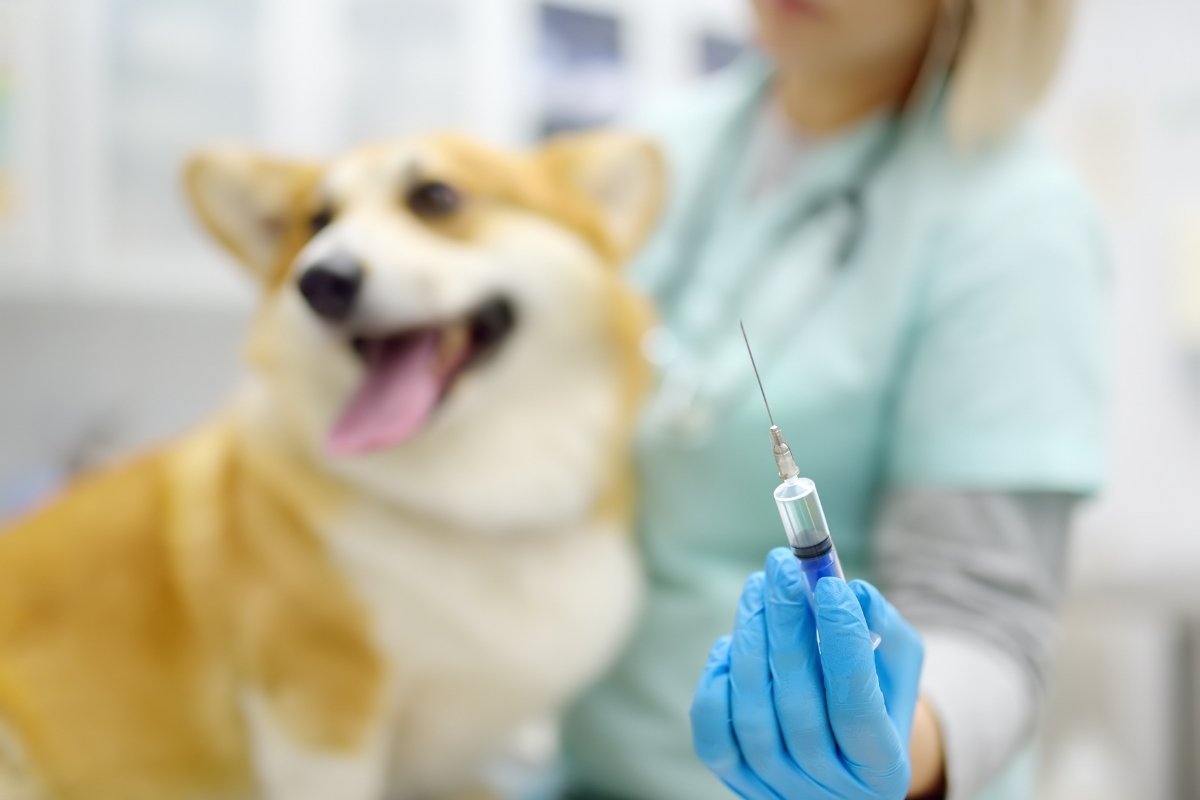
Vaccines work by safely exposing your dog’s immune system to a weakened or inactive version of a disease. As a result, your dog’s body learns how to fight it in the future. If exposure occurs later, the immune system reacts quickly and prevents serious illness.
Without proper immunization, dogs face risks such as:
- Parvovirus (often fatal in puppies)
- Distemper
- Rabies
- Leptospirosis
- Kennel cough
Additionally, some of these illnesses spread easily through parks, boarding facilities, or even shared water bowls. Because dogs naturally explore with their nose and mouth, they encounter germs every day.
Core vs. Non-Core Vaccines
Understanding vaccine categories is the first step to choosing the right vaccination plan for your dog.
Core Vaccines (Essential for All Dogs)
These vaccines are strongly recommended regardless of lifestyle.
- Rabies – Required by law and protects humans as well.
- Distemper – Affects the respiratory, digestive, and nervous systems.
- Parvovirus – Causes severe vomiting and diarrhea.
- Adenovirus (Hepatitis) – Impacts the liver and eyes.
These diseases are widespread and dangerous, so every dog should receive them.
Non-Core Vaccines (Lifestyle-Based)
Not every dog needs these. Instead, they depend on the environment and exposure risk.
- Bordetella (kennel cough)
- Leptospirosis
- Lyme disease
- Canine influenza
For example, a dog visiting dog parks regularly needs different protection than a dog that stays mostly indoors.
Age Plays a Major Role
Dogs require different schedules depending on their life stage.
Puppies
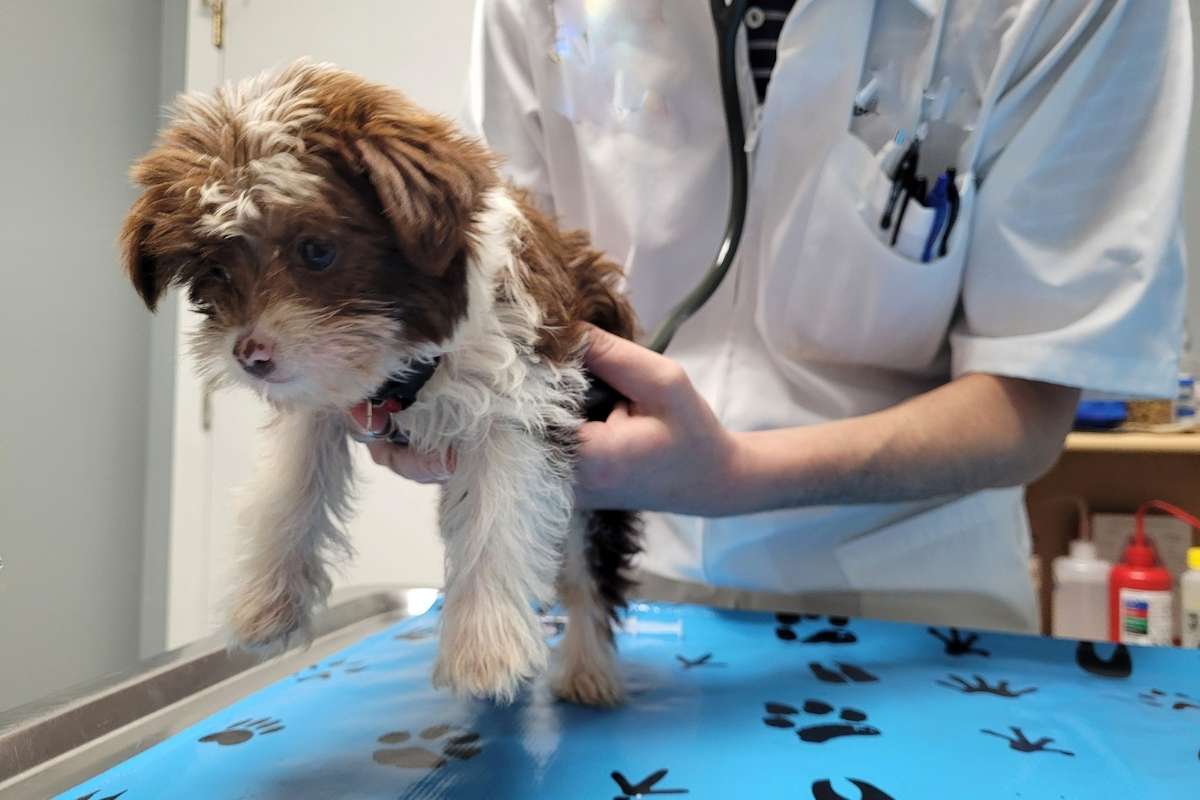
Puppies are especially vulnerable because their immune system is still developing. They typically begin vaccines at 6–8 weeks of age and receive boosters every 3–4 weeks until about 16 weeks old.
During this time, avoid public dog areas until the vaccine series is complete. Even brief exposure can lead to infection.
Adult Dogs
Adult dogs need booster vaccines to maintain protection. However, boosters do not always happen yearly. Instead, many core vaccines last 3 years after the initial series.
Senior Dogs
Older dogs still need protection. However, their health history matters more. A customized plan ensures safety without over-vaccination.
Lifestyle Factors That Influence Vaccine Needs
To properly choose the right vaccination plan, you must consider daily habits. Not all dogs face the same risks.
Ask yourself:
- Does your dog visit dog parks?
- Does your dog go to boarding or daycare?
- Does your dog hike or swim in lakes?
- Do you travel frequently?
For example, dogs that swim or walk in wildlife areas may need leptospirosis protection because bacteria can live in standing water. Meanwhile, boarding facilities often require Bordetella vaccination.
Creating a Personalized Schedule
A one-size-fits-all schedule does not exist. Instead, your dog’s plan should depend on:
- Age
- Breed
- Health history
- Environment
- Travel habits
A veterinarian evaluates these factors and adjusts timing accordingly. That way, your dog receives the right amount of protection without unnecessary injections.
This tailored approach to pet vaccination ensures safety while strengthening immunity.
Common Mistakes Dog Owners Make
Many owners want to do the right thing, but accidentally follow misinformation. Here are common errors:
1. Skipping Booster Shots
Initial vaccines do not provide lifelong immunity. Without boosters, protection fades.
2. Over-Vaccinating
Giving every available vaccine without considering lifestyle can be unnecessary. A targeted plan works better.
3. Waiting Until Illness Appears
Vaccines prevent disease. They do not treat existing infections.
4. Assuming Indoor Dogs Are Safe
Even indoor dogs encounter germs through shoes, visitors, and grooming facilities.
Are Vaccines Safe?
Yes, vaccines are very safe for most dogs. Mild reactions may occur, including:
- Slight tiredness
- Mild soreness
- Reduced appetite for a day
Severe reactions are extremely rare. However, you should contact a clinic if you notice vomiting, swelling, or breathing difficulty after a visit.
When to Call the Vet Immediately
Seek care if your dog shows:
- Persistent vomiting or diarrhea
- Extreme lethargy
- Facial swelling
- Hives
- Collapse
Quick treatment resolves almost all reactions successfully.
Local Considerations
Because South Florida has a warm climate and wildlife exposure, certain diseases appear more frequently than in colder regions. Mosquito-borne illnesses and bacteria in standing water are year-round concerns. Therefore, prevention plans in this region often include additional protection compared to northern areas.
Choosing preventive care for your dog requires planning, awareness, and professional guidance. By understanding disease risks, lifestyle exposure, and proper timing, you can choose the right vaccination plan that protects your dog for years to come. Prevention always costs less—financially and emotionally—than treating serious illness.
If you are in Palmetto Bay, FL, and looking for a veterinarian near you, book an appointment with South Kendall Animal Hospital. Their team serves families throughout the Miami area and can create a customized health plan designed specifically for your dog’s needs.
FAQs
Q1. How often should my dog get vaccines?
Ans. Most core vaccines last three years after the puppy series, but lifestyle vaccines may be yearly.
Q2. Can my dog go outside after vaccination?
Ans. Yes, but avoid dog parks or public spaces until the puppy series is complete.
Q3. Are vaccines necessary for indoor dogs?
Ans. Yes. Germs enter homes through shoes, people, and other animals.
Q4. What is the most important vaccine?
Ans. Rabies is legally required and critically important for both pets and humans.
Q5. Can older dogs stop vaccinations?
No. Senior dogs still need protection, although schedules may be adjusted.
Q6. What if I missed a vaccine appointment?
Ans. Contact the clinic. Your dog may not need to restart the entire series.