14201 South Dixie Highway, Palmetto Bay, FL 33176

Protecting Your Pet’s Future Health
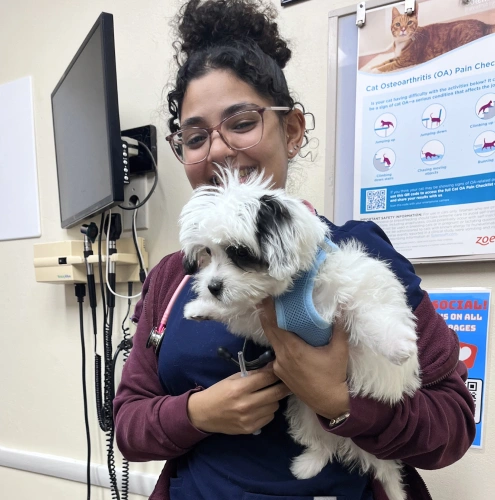
Preventative care is essential to your pet’s overall health and happiness. Pets can experience significant health changes in as little as six months. For this reason, regular wellness exams are encouraged. Depending on age and health conditions, your companion will benefit from annual or semi-annual wellness exams to maintain health and prevent disease. This gives us more treatment options and a greater likelihood for treatment success. Not to mention the potential for lower treatment costs!
Examinations
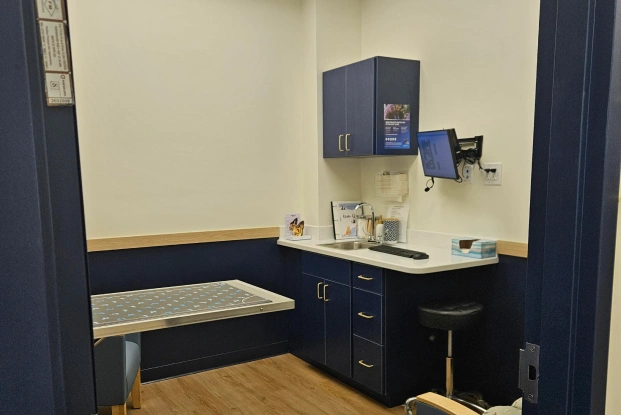
During a wellness exam, one of our veterinarians will perform a thorough nose-to-tail physical examination assessing all major bodily systems for abnormalities. We will check your pet’s eyes, ears, nose, dental health, pulmonary health, weight, skin and coat, joints, and abdominal region. If we suspect an area of concern, we may recommend additional testing for the health and safety of your pet.
You can expect your veterinarian to:
- Perform a comprehensive physical exam
- Recommend vaccinations and necessary diagnostic testing
- Assess health trends and indications of illness such as weight gain or loss
- Discuss your pet’s behavior, diet, and activity level
Vaccinations
Vaccinations protect your pet from infectious diseases. Based on factors such as age, health status, and lifestyle, your pet is bound to come in contact with a dangerous, yet preventable, disease during their life. The good news is, by staying up-to-date on necessary vaccinations, your pet can remain healthy and happy, while you avoid costly treatments.
Kittens
- Rabies: required by law
- Feline Leukemia: recommended for all kittens
- HCP: protects against feline viral rhinotracheitis, calcivirus, and panleukopenia (distemper)
Adult Cats
- Rabies: required by law and administered annually
- Feline Leukemia: If your cat is outdoors or is exposed to an infected feline, we strongly recommend an annual vaccination
- RCP: protects against feline viral rhinotracheitis, calicivirus, and panleukopenia (distemper)

Puppies
- Rabies: required by law
- DA2PP: protects against canine distemper, adenovirus 2, parvovirus, and parainfluenza
- Bordetella: helps protect your puppy from kennel cough
- Leptospirosis: spread through bacteria in the urine of infected animals and is also contagious to humans
- Lyme Disease: recommended for dogs that may be exposed to ticks or are in areas where deer are present
Adult Dogs
- Rabies: required by law
- DA2PP: protects against canine distemper, adenovirus 2, parvovirus, and parainfluenza
- Leptospirosis
- Bordetella and Lyme may be recommended depending on your dog’s lifestyle

County Rabies Tag
Rabies tags are proof that your pet has been vaccinated for the rabies virus. Vaccinating your pet protects your pet, other animals, humans, and is required by law. A rabies vaccination does not last a lifetime! Pets should be vaccinated around 5 months of age and will need re-vaccinated every 1-3 years.
Parasite Control
Parasite infestation is a serious threat to your pet’s health and can even be fatal. Protect your pet from fleas and ticks, intestinal parasites, and heartworms with routine testing and monthly preventatives!
- External parasites that bite and irritate the skin
- Fleas cause skin allergies such as dermatitis, tapeworm, and Bartonella.
- In serious cases, fleas can cause anemia and even death.
- Ticks can infect your pet with Lyme disease, ehrlichiosis, and Rocky Mountain spotted fever.
- Visually inspect your pet for fleas and signs of ticks during daily grooming.
- Ticks are high-risk in wooded areas, camping sites, and humid climates.
- Once-a-month preventatives are strongly recommended.
Microchipping
Accidents happen!
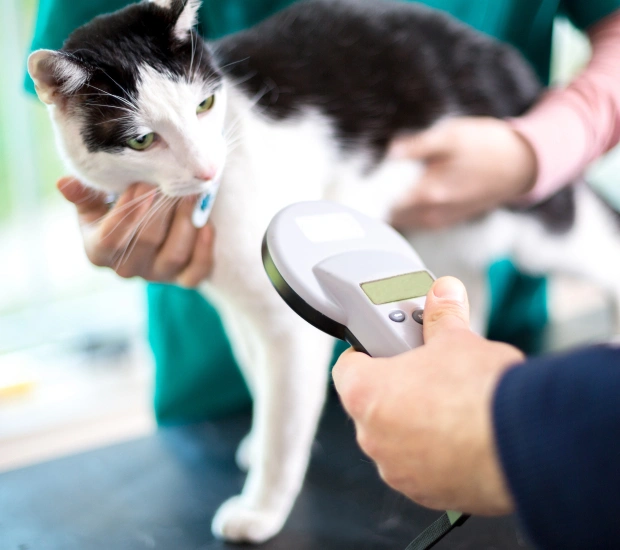
Veterinary hospitals and animals shelters across the country are able to scan lost pets for microchips in hopes of reuniting them with their owner. Implantation is quick, painless, and inexpensive. To minimize stress to your pet, we often implant the microchip at the same time as another procedure such as spay-neuter. Implanted beneath the skin and between the shoulder blades, this form of identification is permanent and programmed with your personal contact information.
Collars and ID tags are helpful, but not totally reliable. These forms of identification can fall off, get lost, or removed. At South Kendall Animal Hospital, we encourage all pets, indoor and outdoor, be microchipped, as well as use collars and ID tags.
Nutrition Counseling
Your pets nutritional needs differ from your own. An inadequate diet and sharing human food can lead to a number of complications such as allergic reactions, toxicity, and obesity. We strive to offer valuable advice and recommendations to our clients based on a pet’s age, gender, weight, health status, and breed.
Nutritional counseling has proven effective, which is why we incorporate it as part of our preventative care plan. Your pet may benefit from nutritional counseling if they live with nutritional challenges such as liver disease, renal failure, bladder and kidney stones, food allergies, and obesity. You would not believe the difference a specialized and balanced diet can make! If you notice sudden and unexpected weight gain or loss, do you not hesitate to contact us. This may be a sign of an underlying condition.
We offer expertise on the following nutritional topics:
- Weight Gain & Loss
- Puppy & Kitten Nutrition
- Senior Nutrition
- Prescription Diets
- How to Develop a Home-made Diet
- Reading & Understanding Pet Food Labels