14201 South Dixie Highway, Palmetto Bay, FL 33176

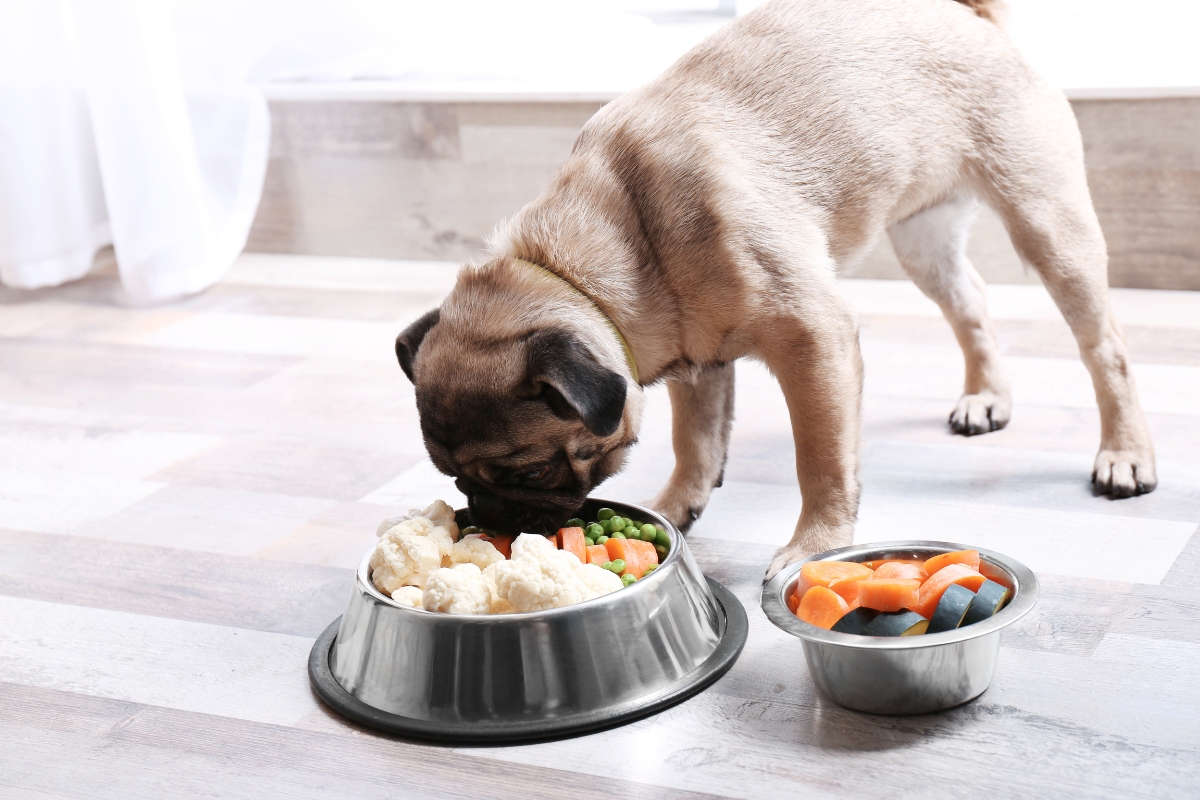
Mushrooms can appear in your kitchen, backyard, or along walking paths, making them a potential concern for curious dogs. While some mushrooms sold in grocery stores are generally safe for dogs when prepared properly, wild mushrooms can contain toxins that cause serious illness. Knowing the difference can help you make safer choices for your pet.
At South Kendall Animal Hospital, we encourage pet owners to understand common food hazards and recognize when professional guidance is needed. Whether your dog has eaten a mushroom during a walk or you are considering sharing a small piece of cooked mushroom, understanding the potential risks can help you respond appropriately.
Can Dogs Eat Mushrooms?
Yes, dogs can generally eat small amounts of plain, store-bought culinary mushrooms, such as white button, cremini, and portobello mushrooms, when they are thoroughly cooked without added ingredients. However, mushrooms are not necessary for a dog’s diet, and introducing unfamiliar foods may cause digestive upset.
Never allow your dog to eat unidentified wild mushrooms. Some poisonous varieties can cause vomiting, liver damage, neurological problems, or even death. Because toxic and non-toxic mushrooms can look similar, identifying them by appearance alone is unreliable.
If your dog eats a wild mushroom, contact a veterinarian or animal poison control service immediately, even if your dog seems normal. Do not wait for symptoms to appear.
Which Mushrooms Are Safe for Dogs?
Certain grocery-store mushrooms are generally considered safe when served plain and in small portions.
- White button mushrooms: These common culinary mushrooms can be offered cooked and unseasoned.
- Cremini mushrooms: Also called baby bella mushrooms, these are generally safe when properly prepared.
- Portobello mushrooms: These mature cremini mushrooms can be offered in small, plain portions.
- Other commercially sold culinary mushrooms: Varieties such as shiitake may be suitable in small amounts when cooked plainly, although individual dogs can react differently.
Wash mushrooms thoroughly and cook them without butter, oil-heavy sauces, salt, or seasonings. Avoid ingredients such as garlic and onions, which can be toxic to dogs.
Offer only a small amount initially and monitor your dog for vomiting, diarrhea, or other signs of digestive discomfort. Dogs with food sensitivities or existing health conditions may need individualized dietary advice.
Mushrooms should remain an occasional treat rather than replace a complete and balanced dog food. If you are unsure whether a particular mushroom or preparation is appropriate, ask your veterinarian before feeding it.
Which Mushrooms Are Toxic to Dogs?
Wild mushrooms are the primary concern because some contain toxins that can affect the digestive system, liver, kidneys, or nervous system.
Potentially dangerous varieties include:
- Death cap mushrooms: These can cause severe liver damage and may be fatal.
- Amanita species: Certain varieties contain toxins that cause gastrointestinal or neurological symptoms.
- Galerina mushrooms: Some contain amatoxins that can lead to serious liver injury.
- False morels: Certain species contain toxins that may cause vomiting, tremors, seizures, and other complications.
- Inocybe and Clitocybe species: Some contain muscarine, which can cause excessive salivation, vomiting, diarrhea, and breathing difficulties.
Mushrooms growing in lawns, gardens, wooded areas, and parks may be toxic. Their appearance can vary with age and weather, so never rely on an online photograph or a visual identification to determine whether a mushroom is safe.
What Are the Signs of Mushroom Poisoning in Dogs?
Symptoms depend on the mushroom species, the amount consumed, and the toxin involved. Some signs appear within minutes or hours, while others may take longer to develop.
Watch for:
- Vomiting or diarrhea
- Excessive drooling
- Abdominal discomfort
- Weakness or unusual lethargy
- Loss of coordination or tremors
- Seizures
- Yellowing of the eyes or gums
- Changes in breathing
Mushroom poisoning is a potential veterinary emergency. If your dog eats an unidentified mushroom, seek professional guidance immediately rather than waiting for symptoms. Some toxins cause delayed organ damage even when a dog initially appears healthy.
What Should You Do If Your Dog Eats a Mushroom?
Taking prompt action can help your veterinarian determine the safest next steps.
- Remove access: Prevent your dog from eating additional mushrooms.
- Contact a veterinarian: Call your veterinary hospital or an animal poison control service immediately for instructions.
- Save a sample if safe: Photograph the mushroom and its surroundings. If you can collect a sample without direct contact or delaying care, place it in a separate container for identification.
- Record the details: Note when your dog ate the mushroom, the estimated amount, and any symptoms.
- Follow professional instructions: Do not induce vomiting or give home remedies unless specifically instructed by a veterinary professional.
If your dog develops seizures, difficulty breathing, collapse, or severe weakness, seek emergency veterinary care immediately.
How Can You Prevent Mushroom Poisoning?
A few precautions can reduce the risk of accidental mushroom ingestion.
- Inspect your yard regularly and remove wild mushrooms safely.
- Keep your dog on a leash in wooded areas where mushrooms grow.
- Teach your dog the “leave it” command.
- Supervise outdoor play, particularly after rain or during humid weather.
- Store cooked mushrooms and mushroom-containing foods out of reach.
- Avoid feeding table scraps containing garlic, onions, rich sauces, or excessive fat.
Dogs that frequently explore with their mouths may benefit from additional supervision during walks and outdoor activities.
When Should You Contact a Veterinarian?
Contact a veterinary professional whenever your dog eats an unidentified wild mushroom, even if no symptoms are present. Immediate assessment is especially important when the mushroom species is unknown, or your dog shows signs of poisoning.
Your veterinarian may recommend an examination, blood tests, or other monitoring based on the suspected toxin and timing of ingestion. Early evaluation can help identify potential complications and guide treatment.
Protect Your Dog From Mushroom-Related Risks
Although plain, commercially grown mushrooms can be suitable for some dogs in small amounts, wild mushrooms should always be treated as potentially dangerous. Recognizing poisoning symptoms, preventing access to unknown varieties, and seeking prompt professional advice can help protect your pet.
If you are in Miami, FL, and need guidance from a vet near you about mushroom ingestion or other food-related concerns, schedule your appointment with South Kendall Animal Hospital. Our veterinary team can assess your dog’s symptoms, recommend appropriate diagnostic testing, and help you understand the next steps for your pet’s care.
Frequently Asked Questions
Q1. Can dogs eat cooked mushrooms?
Ans. Dogs can generally eat small amounts of plain, cooked, store-bought culinary mushrooms. Avoid seasonings, garlic, onions, and rich sauces. Ask your veterinarian if your dog has dietary restrictions or health concerns.
Q2. What happens if my dog eats a wild mushroom?
Ans. Depending on the species, mushroom poisoning can cause vomiting, diarrhea, neurological symptoms, liver damage, or death. Contact a veterinarian or animal poison control service immediately, even if your dog appears healthy.
Q3. How quickly do mushroom poisoning symptoms appear in dogs?
Ans. Symptoms may develop within minutes or hours, while some toxins cause delayed effects. Do not wait for symptoms before seeking professional advice after suspected wild mushroom ingestion.
Q4. Can dogs eat mushrooms from pizza or pasta?
Ans. Plain culinary mushrooms may be safe in small amounts, but pizza and pasta often contain garlic, onions, excess fat, salt, or other ingredients that may harm dogs. Plain, appropriately prepared food is a safer choice.
Q5. How can a veterinarian diagnose mushroom poisoning in dogs?
Ans. A veterinarian may review the ingestion history, examine your dog, and recommend bloodwork or other tests to assess organ function. Our veterinary team can help evaluate symptoms and determine appropriate next steps.
Q6. Should I take my dog to a veterinarian if they seem fine after eating a mushroom?
Ans. Yes. Some poisonous mushrooms cause delayed symptoms and organ damage. Seek immediate veterinary guidance rather than assuming your dog is safe because they appear normal.