14201 South Dixie Highway, Palmetto Bay, FL 33176

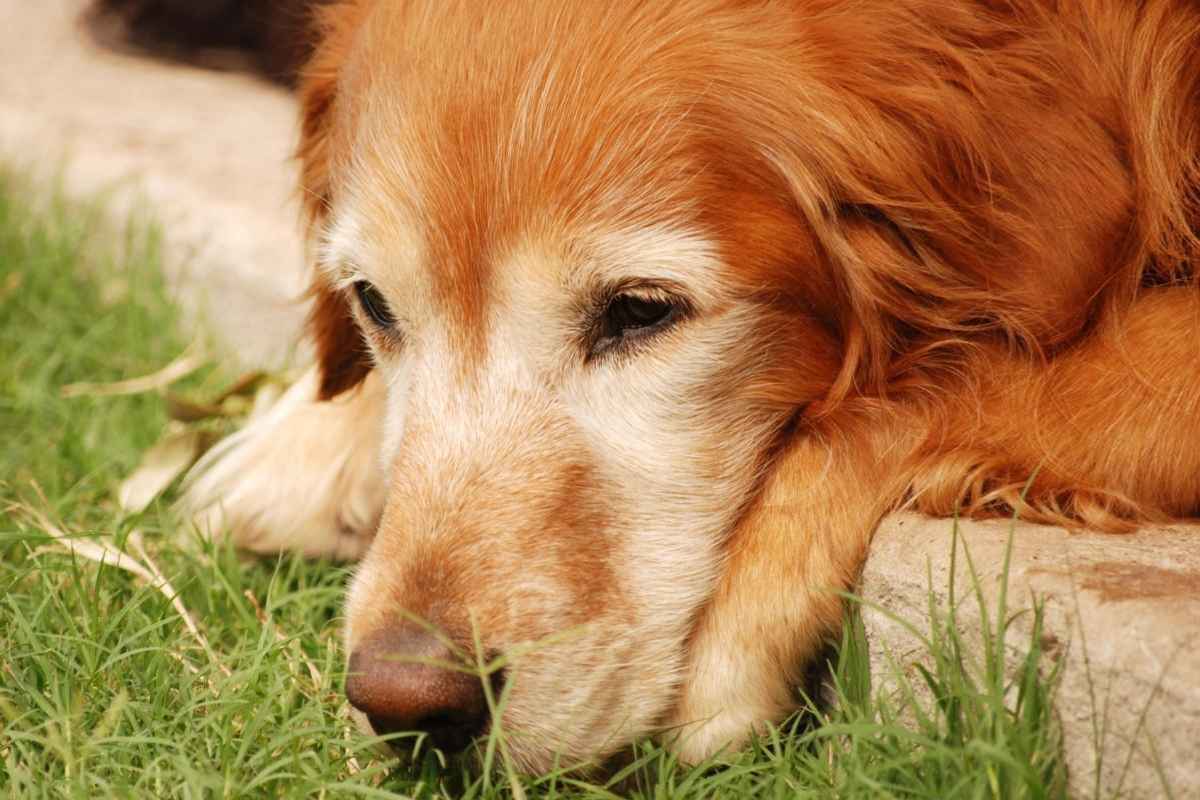
Dogs cannot tell us when something hurts, which makes it important for pet owners to recognize subtle changes in behavior, movement, and daily habits. At South Kendall Animal Hospital, many pet owners are surprised to learn that dogs often hide pain until it becomes more advanced. Pain may develop suddenly after an injury or gradually due to age-related conditions and underlying illness. Identifying the signs early can help prevent discomfort from becoming more severe and improve your dog’s overall quality of life.
Many dogs instinctively hide pain as a survival behavior. Because of this, even small behavioral changes should not be ignored. Learning what to watch for can help you respond quickly and support your pet’s long-term health. If you live in Miami, FL., understanding when to seek professional help can also make a difference in your dog’s recovery and comfort.
Common Causes of Pain in Dogs
Pain can result from many different conditions, including:
- Arthritis and joint disease
- Injuries or trauma
- Dental disease
- Ear infections
- Digestive issues
- Muscle strains
- Surgical recovery
- Skin infections or allergies
Some causes are temporary, while others may require ongoing management and monitoring.
Behavioral Signs Your Dog May Be in Pain
Changes in Activity Levels
One of the earliest signs of pain is often reduced activity. Dogs experiencing discomfort may:
- Sleep more than usual
- Avoid playing
- Show less interest in walks
- Hesitate to climb stairs or jump
A normally energetic dog becoming withdrawn or inactive may indicate an underlying issue.
Increased Irritability or Aggression
Pain can make even friendly dogs more sensitive. Some dogs may growl, snap, or pull away when touched in painful areas.
Others may avoid interaction entirely or hide more frequently than usual.
Excessive Licking or Chewing
Dogs often lick, chew, or bite areas that feel painful or irritated. Repeated attention to a specific paw, joint, or body area can sometimes signal inflammation, injury, or discomfort.
Changes in Appetite
Pain may affect your dog’s willingness to eat or drink. Dental issues, digestive discomfort, and illness can all contribute to appetite changes.
Sudden loss of appetite should always be monitored closely.
Physical Signs of Pain in Dogs
Limping or Difficulty Moving
Limping is one of the most recognizable signs of pain. However, some dogs may only show stiffness, slower movement, or difficulty standing up after resting.
Older dogs with arthritis may display symptoms gradually over time.
Trembling or Shaking
Dogs in pain sometimes tremble even when they are not cold or anxious. Persistent shaking can be associated with injury, illness, or internal discomfort.
Changes in Posture
A dog experiencing pain may:
- Hunch their back
- Hold their head low
- Keep weight off one leg
- Sit or lie down differently than usual
Body posture often provides important clues about where pain may be located.
Heavy Panting or Restlessness
Excessive panting without exercise or heat exposure can indicate discomfort. Some dogs may also pace, struggle to settle down, or appear restless during the night.
Signs of Chronic Pain in Older Dogs
As dogs age, chronic conditions such as arthritis become more common. Pain related to aging may develop slowly and become easier to overlook.
Watch for:
- Slower walks
- Difficulty getting into the car
- Reluctance to jump onto furniture
- Muscle loss
- Reduced stamina during activity
Early management can help senior dogs remain more comfortable and active.
What You Should Do if You Think Your Dog Is in Pain
Observe Changes Carefully
Keep track of your dog’s symptoms, including:
- When the behavior started
- Which activities seem difficult
- Eating and drinking habits
- Changes in sleep or movement
This information can help veterinarians identify possible causes more efficiently.
Avoid Giving Human Pain Medications
Many over-the-counter medications designed for humans can be dangerous for dogs. Pain relievers such as ibuprofen and acetaminophen may cause serious complications if given without veterinary guidance.
Always consult a veterinarian before giving any medication to your pet.
Limit Physical Activity if Needed
If your dog appears injured or uncomfortable, reducing strenuous activity may help prevent worsening of the condition until they can be evaluated.
Provide a calm and comfortable environment while monitoring symptoms.
Seek Professional Evaluation
Pain can sometimes indicate serious underlying conditions that require prompt treatment. A veterinary examination may include physical assessment, imaging, bloodwork, or other diagnostics, depending on the symptoms.
In some cases, early veterinary care may help prevent long-term complications and improve recovery outcomes.
When Is Dog Pain an Emergency?
Seek immediate medical attention if your dog experiences:
- Difficulty breathing
- Sudden collapse
- Severe limping
- Swollen abdomen
- Continuous vomiting
- Uncontrolled bleeding
- Inability to stand
- Signs of extreme distress
These symptoms may indicate urgent medical conditions requiring immediate veterinary care.
Supporting Your Dog’s Comfort at Home
While medical evaluation is important, there are also ways to support your dog’s comfort at home:
- Provide soft bedding
- Keep food and water easily accessible
- Maintain a healthy weight
- Avoid slippery flooring
- Follow medication instructions carefully
Consistent monitoring and supportive care can make recovery easier for dogs experiencing temporary or chronic pain.
The Importance of Early Intervention
Ignoring pain can allow conditions to worsen over time. Dogs that receive early evaluation and treatment often experience better long-term outcomes and improved quality of life.
Even mild changes in behavior may be your dog’s way of signaling discomfort. Paying attention to these signs can help you act before problems become more serious.
If you’re in Miami, FL, and need guidance from a vet near you about signs of pain in your dog, schedule your appointment with South Kendall Animal Hospital. Our team can help assess your pet’s condition and recommend personalized treatment options to support your dog’s comfort, mobility, and long-term health.
FAQs
1: How can I tell the difference between normal aging and pain in my senior dog?
Ans: While some slowness comes with age, pain-related changes are more pronounced. Stiffness that improves with movement, reluctance to jump, difficulty rising, or behavioral changes suggest pain rather than normal aging.
Q2: Is it safe to give my dog over-the-counter pain medication?
Ans: Never give human pain medications without veterinary guidance. Many common medications like ibuprofen and acetaminophen are toxic to dogs. Always consult your veterinarian before administering any medication.
Q3: Can dogs hide pain effectively?
Ans: Yes, dogs often mask pain as an evolutionary survival mechanism. By the time obvious signs appear, pain may be quite severe. Subtle behavior changes are often the first indicators.
Q4: At what age do dogs typically develop arthritis?
Ans: While arthritis is more common in senior dogs, it can develop at any age, especially in large breeds or those with joint injuries. Early detection and management improve outcomes significantly.
Q5: How often should I have my dog evaluated for pain-related conditions?
Ans: Annual veterinary checkups are standard for most dogs. Senior dogs over seven years benefit from twice-yearly evaluations. Dogs with known conditions may need more frequent monitoring.
Q6: What’s the difference between acute and chronic pain in dogs?
Ans: Acute pain appears suddenly from injury or illness and is usually severe but temporary. Chronic pain develops gradually and persists long-term, often from conditions like arthritis. Both require appropriate management.