14201 South Dixie Highway, Palmetto Bay, FL 33176

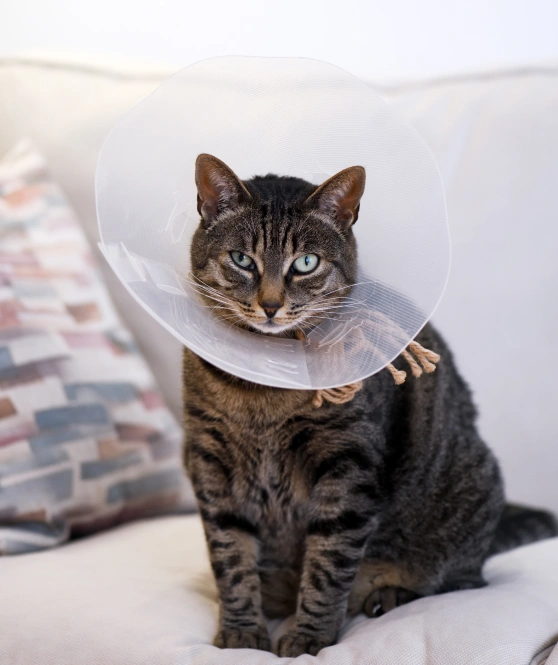
Specialized Surgical Care Designed for Feline Patients
Cats require a unique approach to surgical care as their anatomy, behavior, and stress responses differ significantly from those of dogs, which is why feline surgery requires specialized veterinary attention.
At South Kendall Animal Hospital, our team provides cat surgery, with each procedure carefully planned to support safety, comfort, and a smooth recovery for feline patients.
Our hospital is located Southwest of Downtown Miami, directly off U.S. Route 1, right below the Palmetto Golf Course, serving cat owners in Palmetto Bay and surrounding areas, including Miami, South Miami, Homestead, Cutler Bay, Coral Gables, Pinecrest, and Coconut Grove.
Understanding When Cats May Need Surgery
Certain medical conditions affecting cats cannot be resolved through medication or observation alone. Surgical treatment may be recommended when a problem requires physical repair, removal, or correction.
Veterinary surgery can help address injuries, internal abnormalities, tumors, and other health concerns that affect a cat’s comfort and quality of life.
Before recommending surgery, veterinarians evaluate the cat’s health through a physical examination, diagnostic testing, and a review of the medical history. Ensuring careful evaluation helps determine whether surgery is the appropriate treatment option.
Common Surgical Procedures Performed for Cats
Our hospital provides several surgical procedures designed for feline patients.
Cats may require surgery for a variety of medical conditions that affect their comfort, mobility, or overall health. Veterinary surgical procedures are designed to address problems that cannot be resolved through medication or routine treatment alone. At South Kendall Animal Hospital, our team carefully evaluates each feline patient to determine the most appropriate surgical approach based on their condition and medical history.
Soft Tissue Surgery
Soft tissue procedures involve structures such as the skin, muscles, and internal organs. These surgeries may be recommended to repair wounds, treat internal injuries, remove abnormal tissue, or correct conditions affecting organs. Soft tissue surgery allows veterinarians to directly address medical issues that impact a cat’s normal body function.
Spay and Neuter Procedures
Spaying and neutering are among the most commonly performed surgical procedures for cats. These operations help prevent unwanted litters while supporting reproductive health. In addition, these procedures may reduce certain behavioral concerns and lower the risk of some reproductive system diseases.
Removal of Tumors or Abnormal Growths
Cats may develop lumps or masses either beneath the skin or inside the body. Surgical removal allows veterinarians to examine the tissue more closely and determine whether the growth requires additional medical attention.
Emergency Surgical Treatment
Certain situations require immediate surgical intervention. Trauma, ingestion of foreign objects, or sudden internal health complications may require urgent procedures to stabilize the cat and address the underlying problem.
Dental Surgical Procedures
Severe dental infections, damaged teeth, or advanced oral disease may require surgical treatment. Dental surgery can relieve discomfort and help restore healthier oral function for cats experiencing significant dental problems.
Safety and Monitoring During Feline Surgery
Surgery requires careful preparation to support patient safety. Before any surgical procedure, our team conducts pre-operative testing to evaluate the cat’s overall health and detect potential concerns.
During surgery, specialized monitoring equipment tracks vital signs, including heart rate, oxygen levels, and body temperature. Continuous monitoring allows our vets to maintain stable conditions and adjust anesthesia levels as needed.
This attention to detail helps create a controlled surgical environment focused on patient safety.
Preparing Your Cat for a Surgical Procedure
Before surgery, cat owners receive specific instructions designed to prepare their pet for anesthesia and treatment. These instructions may include:
- Temporary fasting before the procedure
- Transporting your cat in a secure carrier
- Limiting food or medication according to guidance
- Arriving for pre-surgical evaluation and check-in
Following these guidelines helps reduce risks and make surgeries smoother.
Supporting Recovery After Feline Surgery
Recovery is an important part of the healing process for cats after surgery. Once the procedure is complete, our veterinary team monitors your cat closely as they recover from anesthesia. When your pet is stable and alert, they can return home with detailed care instructions designed to support safe healing.
At home, providing a calm and comfortable environment helps reduce stress and encourage recovery. Cats often prefer quiet spaces where they can rest without much activity or noise.
To support proper healing, pet owners may need to follow several post-surgical care guidelines, such as:
- Limiting jumping, running, or other strenuous activity during the healing period
- Giving medications exactly as directed by the veterinarian
- Checking the surgical area regularly for swelling, redness, or discharge
- Bringing your cat back for follow-up examinations if recommended
- Following these instructions helps protect the surgical site and supports a smoother recovery process for your feline companion.
Proper post-operative care allows healing to progress comfortably and reduces the likelihood of complications.
When a Cat Should Return to the Veterinarian After Surgery
South Kendall Animal Hospital provides surgical care for cats throughout Palmetto Bay, Miami, South Miami, Homestead, Cutler Bay, Coral Gables, Pinecrest, and Coconut Grove. Our veterinary team focuses on careful surgical techniques and attentive patient monitoring designed specifically for feline health needs.
When cat surgery becomes necessary, our goal is to provide clear communication and compassionate care that supports both cats and their owners throughout the process. Schedule an appointment today with us to help your cat be free from injuries or illnesses through surgery.
Frequently Asked Questions
The length of surgery varies by procedure, where routine surgeries often take less than an hour, while complex procedures may require additional time.
Follow-up visits allow veterinarians to evaluate healing and remove sutures if necessary. These visits help confirm that recovery is progressing properly.
Older cats may still undergo surgery depending on their overall health. Pre-surgical testing helps veterinarians determine whether anesthesia is appropriate.
Incisions may be closed with sutures, surgical glue, or staples, depending on the procedure and the incision's location.
Veterinarians typically recommend fasting your cat before surgery and transporting them in a secure carrier. Additional instructions may be provided depending on the procedure.
Recovery timelines depend on the type of procedure and the cat’s health. Minor surgeries may heal within days, while other procedures may require longer monitoring.
Veterinarians prescribe medications to manage post-surgical discomfort. These medications help cats recover comfortably while the surgical site heals.

