14201 South Dixie Highway, Palmetto Bay, FL 33176

Advanced Cat Diagnostics in Palmetto Bay
Cats are known for masking signs of illness. By the time symptoms become obvious, an underlying condition may already be progressing. At South Kendall Animal Hospital in Palmetto Bay, our feline diagnostic services help uncover health concerns that might otherwise go unnoticed.
Using advanced technology and careful veterinary evaluation, our team works to identify medical issues early so cats can receive timely care. Diagnostic testing allows us to evaluate organ function, detect infections, and investigate unexplained symptoms with precision.
Although our hospital is located in Palmetto Bay, we proudly welcome cats and their owners from surrounding communities, including Miami, South Miami, Homestead, Cutler Bay, Coral Gables, Pinecrest, and Coconut Grove. Families across these areas rely on our team for detailed diagnostic care for cats tailored to feline health.
The Importance of Diagnostic Testing for Cats
Felines often continue normal behavior even when they are uncomfortable or unwell, because of this instinct, subtle health changes may go unnoticed at home. Diagnostic testing helps vets detect problems that are not visible during a routine physical exam.
At South Kendall Animal Hospital, advanced diagnostic tools allow us to investigate a wide range of medical concerns affecting cats. Early testing can help detect conditions such as infections, metabolic disorders, heart conditions, and organ disease before they progress.
When a problem is identified early, treatment options are often simpler and more effective. Cat diagnostic care provides valuable information that helps guide treatment decisions and long-term health management
Diagnostic Services Available for Cats
Our veterinary team offers multiple diagnostic options to evaluate your cat’s health from different perspectives. These tests help us gather detailed medical information and understand what may be affecting your pet.
Bloodwork
Blood analysis plays an essential role in assessing a cat’s internal health. A blood panel provides important information about organ function, red and white blood cell counts, electrolyte levels, and potential infections.
Through blood testing, our veterinarians can evaluate conditions involving the liver, kidneys, immune system, and metabolic balance, which is especially valuable when diagnosing illnesses that may not yet show clear symptoms.
Fecal Analysis
Digestive health is an important part of feline wellness. A fecal examination helps identify intestinal parasites, bacteria, and gastrointestinal infections that may affect a cat’s digestion and overall health.
Parasites such as roundworms, hookworms, and protozoa can sometimes be present without obvious symptoms. Routine fecal screening allows our team to detect these issues early and recommend appropriate treatment.
Digital Radiography (X-rays)
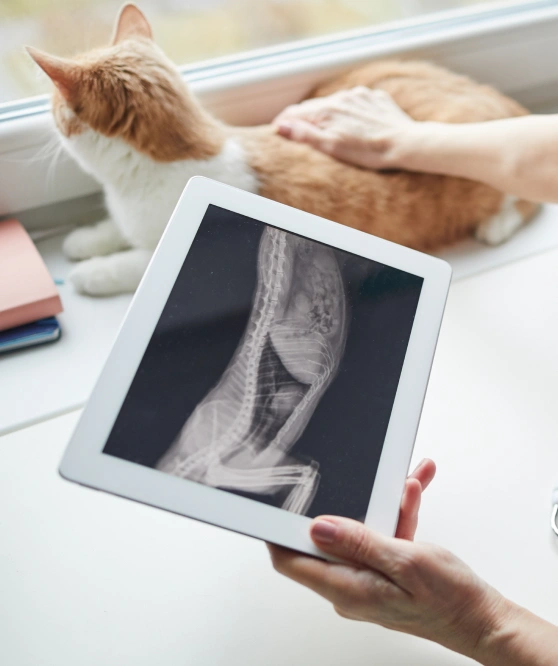
Digital X-ray imaging provides a detailed view of bones, lungs, and internal organs. Digital radiography allows vets to examine internal structural changes that cannot be seen externally.
Radiographs are often used to evaluate fractures, lung conditions, organ enlargement, and abnormal masses. With digital technology, images are produced quickly and with excellent clarity, helping us make informed decisions about your cat’s care.
Ultrasound Imaging
Ultrasound imaging uses sound waves to generate real-time images of internal organs and soft tissues, which is especially useful when evaluating structures such as the liver, kidneys, bladder, and heart.
By viewing organs in motion, ultrasound helps detect abnormalities such as cysts, tumors, fluid accumulation, or organ inflammation.
Urinalysis
Urinalysis helps evaluate kidney function and urinary health. A urine sample helps detect signs of infections, inflammation, metabolic issues, or abnormal substances such as glucose or protein.
Urine testing is frequently recommended when cats experience changes in urination habits, increased thirst, or other urinary system-related symptoms.
Electrocardiogram (EKG)
An electrocardiogram (EKG or ECG) records the electrical activity of the heart, allowing veterinarians to evaluate heart rhythm and identify irregularities that may indicate heart disease.
Cats experiencing lethargy, breathing difficulties, or abnormal heart sounds may benefit from cardiac monitoring through this diagnostic method.
Skin Impression Smears/Ear Cytology
Skin irritation and ear discomfort are common issues for many cats. Microscopic examination of skin samples or ear debris helps detect yeast, bacteria, or parasites contributing to these conditions.
Skin impression smears and ear cytology provide valuable information that helps guide targeted treatment for dermatological problems.
Health Conditions Often Identified Through Diagnostics
Diagnostic care for cats allows veterinarians to detect and evaluate a range of feline health conditions. Some of the issues commonly identified through diagnostic care include:
Dental Conditions
Oral disease can affect a cat’s overall health. Diagnostic imaging and examinations help detect infections, damaged teeth, and gum inflammation.
Infectious Diseases
Cats can develop bacterial, viral, or parasitic infections. Laboratory testing helps determine the cause of illness and supports appropriate treatment.
Cardiac Disorders
Heart disease may develop gradually and remain undetected for long periods. Diagnostic tools such as radiographs and electrocardiograms allow veterinarians to assess heart health.
Cancer and Abnormal Growths
Imaging techniques such as ultrasound and radiography can reveal abnormal tissue growth or masses that require further evaluation.
Kidney Disorders
Kidney disease is a common concern in cats, particularly as they age. Blood tests and urinalysis help monitor kidney function and detect early warning signs.
What Happens During a Feline Diagnostic Visit
A diagnostic appointment helps to carefully evaluate your cat’s health and investigate any concerning symptoms.
Medical History Review
Your vet will begin by discussing your cat’s health history, lifestyle, and any symptoms you may have noticed.
Physical Examination
A comprehensive exam allows our team to assess your cat’s overall condition and identify any visible or physical abnormalities.
Recommended Diagnostic Tests
Based on the exam findings, specific tests such as bloodwork, imaging, or urine analysis may be recommended.
Results and Care Planning
Once results are available, our team will review the findings and explain the next steps, including monitoring, additional testing, or medical treatment.
Comprehensive Palmetto Bay Veterinary Diagnostics for Cats
South Kendall Animal Hospital provides thorough diagnostic evaluations for cats living throughout Palmetto Bay, Miami, South Miami, Homestead, Cutler Bay, Coral Gables, Pinecrest, and Coconut Grove. Our goal is to help pet owners understand their cat’s health and address medical concerns as early as possible.
If your cat is showing unusual behavior, changes in appetite, or unexplained symptoms, our team is here to help you with proficient cat diagnostic care in Palmetto Bay. Our veterinary team uses advanced tools and careful evaluation to help identify underlying health issues and guide appropriate care for your feline companion.
Frequently Asked Questions
An electrocardiogram measures the electrical activity of a cat’s heart, helping veterinarians detect irregular heart rhythms and evaluate cardiac health. It is often recommended for cats exhibiting symptoms such as lethargy, fainting episodes, breathing difficulties, or abnormal heart sounds on examination.
Diagnostic tests may be recommended when a cat shows changes in appetite, behavior, urination, or energy levels. Veterinarians also suggest testing during wellness exams for older cats or pets with chronic conditions. Early testing helps identify medical issues before symptoms become severe or harder to treat.
Blood testing is considered a routine and safe veterinary procedure. A small blood sample is collected using a sterile needle and then analyzed in a laboratory. The process is quick and allows veterinarians to evaluate organ function, blood cell counts, and potential infections affecting the cat’s health.
A fecal examination analyzes a stool sample to detect parasites, bacteria, and digestive issues. It helps identify intestinal parasites such as roundworms, hookworms, and protozoa that may affect digestion or overall health. Early identification allows veterinarians to recommend targeted treatment to eliminate the infection.
Digital radiography produces detailed images of bones, lungs, and internal organs. These images allow veterinarians to detect fractures, tumors, organ enlargement, or respiratory problems. Radiographs are commonly used when investigating injuries, breathing issues, or unexplained pain affecting a cat’s mobility or comfort.
Ultrasound imaging helps veterinarians evaluate soft tissues and internal organs such as the liver, kidneys, bladder, and heart. The technology creates real-time images that can reveal tumors, cysts, inflammation, or fluid buildup. Ultrasound is especially useful when further investigation is needed after abnormal test results.
Urinalysis evaluates a cat’s urine for signs of infection, kidney disease, diabetes, or urinary tract issues, checking for abnormal substances such as protein, glucose, or bacteria. Urinalysis is particularly helpful when a cat experiences changes in urination habits or frequent urinary discomfort.

