14201 South Dixie Highway, Palmetto Bay, FL 33176

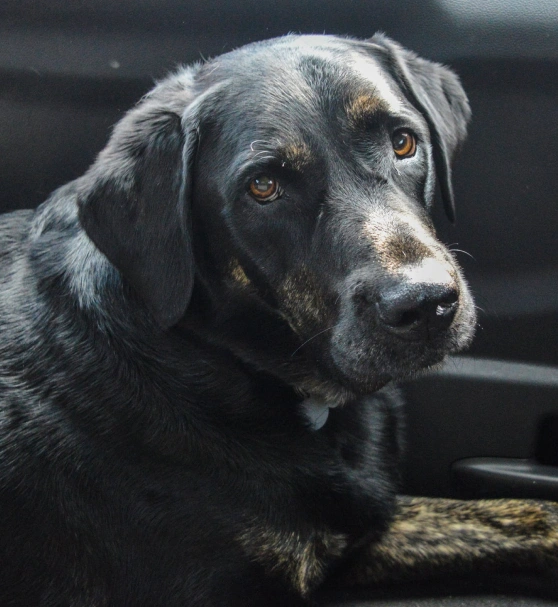
Compassionate Veterinary Care for Aging Dogs
As dogs age, their health needs change, and they may experience gradual shifts in mobility, metabolism, and immune function that require more attentive medical care. Regular veterinary monitoring helps detect age-related health concerns early and allows veterinarians to recommend treatments that support comfort and quality of life.
At South Kendall Animal Hospital, our team provides dedicated senior dog care focused on early detection of medical conditions, ongoing health monitoring, and preventive care strategies that help older dogs remain comfortable and active.
When Is a Dog Considered a Senior?
Dogs are typically considered seniors at around 7 years of age, though this can vary by breed and size. Larger breeds often age more quickly than smaller dogs.
During this stage of life, dogs may experience changes in:
- Energy levels and mobility
- Appetite and metabolism
- Vision and hearing
- Joint health and muscle strength
Since these changes often develop gradually, regular aging dog care becomes increasingly important for monitoring overall health.
Why Senior Dogs Need More Frequent Veterinary Visits
Aging dogs may develop health conditions that require careful monitoring. Veterinary visits help detect early signs of disease before symptoms become severe.
Routine visits allow veterinarians to:
- Evaluate mobility and joint health
- Monitor weight and body condition.
- Detect early signs of chronic disease.
- Assess heart and respiratory health.
Early detection often allows vets to manage health concerns more effectively.
Common Health Concerns in Senior Dogs
Senior dogs may experience several age-related health conditions. While not every dog develops these issues, regular monitoring helps identify potential concerns.
Arthritis and Joint Conditions
Joint stiffness and arthritis are common in older dogs. These conditions may affect mobility and daily comfort.
Dental Disease
Oral health problems may become more common with age. Dental exams help detect infections or damaged teeth.
Heart Disease
Cardiac conditions may develop gradually as dogs age. Veterinary evaluations help monitor heart health.
Kidney or Liver Disease
Internal organs may become less efficient over time. Diagnostic tests help detect changes in organ function.
Cognitive Changes
Some senior dogs show changes in behavior or awareness as their brain function declines with age.
Preventive Health Services for Senior Dogs
As dogs enter their senior years, routine diagnostic testing becomes an important part of maintaining their health. Aging dogs may develop medical conditions that progress gradually and may not show obvious symptoms in the early stages. Diagnostic testing allows vets to detect subtle changes in organ function, circulation, and overall health before these concerns become more serious.
At South Kendall Animal Hospital, our team uses several diagnostic tools to improve care for aging dogs. These services help evaluate internal systems and identify conditions that may affect an older dog’s comfort or quality of life.
Diagnostic services for senior dogs may include:
- Bloodwork: Blood tests provide valuable information about organ function, red and white blood cell counts, and overall metabolic health. These tests help detect conditions affecting the liver, kidneys, thyroid, and immune system.
- Urinalysis: Urine testing allows vets to evaluate kidney function, hydration levels, and urinary tract health. It can also help identify infections or metabolic concerns.
- Diagnostic Imaging: Imaging techniques such as radiographs or ultrasound allow vets to examine internal organs, bones, and joints. These tools help identify abnormalities such as tumors, arthritis, or organ enlargement.
- Blood Pressure Monitoring: Senior dogs may develop changes in blood pressure that affect heart and kidney health. Monitoring helps detect hypertension or circulation issues.
- Electrocardiogram (ECG): An ECG measures the electrical activity of the heart and helps identify irregular heart rhythms or other cardiac concerns.
These diagnostic services help gain a comprehensive understanding of a senior dog’s health and develop aging dog care plans that support long-term comfort.
Nutrition and Lifestyle Guidance for Older Dogs
Diet and daily activity can play a major role in supporting senior dog health. As metabolism changes with age, some dogs benefit from diets designed specifically for older pets.
Animal doctors may recommend adjustments related to:
- Portion control and weight management
- Diets formulated for senior dogs
- Gentle exercise routines
- Joint health support strategies
Maintaining a balanced routine helps improve comfort and mobility in aging dogs.
Monitoring Behavioral Changes in Senior Dogs
Behavioral changes sometimes occur as dogs age. Pet owners may notice differences in sleep patterns, activity levels, or interaction with family members. Veterinary evaluations help determine whether these changes are part of the normal aging process or related to medical concerns that require attention.
Veterinary Support for Senior Dogs in Palmetto Bay
Caring for an aging dog requires patience, attention, and regular veterinary guidance. South Kendall Animal Hospital provides comprehensive senior dog care in Palmetto Bay designed to support long-term comfort and well-being. Regular care becomes increasingly important as dogs enter their senior years. If your dog is getting older or showing changes in mobility, appetite, or behavior, a veterinary evaluation can help determine the best approach to maintaining their health.
Our team works with pet owners across Palmetto Bay and nearby communities to monitor health changes and provide care tailored to each dog’s needs. Our clinic is located along U.S. Route 1 near the Palmetto Golf Course, southwest of downtown Miami, making it convenient for pet owners visiting from Palmetto Bay, Miami, South Miami, Homestead, Cutler Bay, Coral Gables, Pinecrest, and Coconut Grove.
Contact South Kendall Animal Hospital today to schedule a wellness appointment for your senior dog. Our team is dedicated to supporting the comfort, health, and quality of life of aging canine companions.
Frequently Asked Questions
Dogs are generally considered seniors at around 7 years of age, although this can vary by breed and size. Larger breeds often age faster than smaller dogs. Regular care during this stage helps monitor health changes and detect age-related conditions early.
Most veterinarians recommend wellness visits for senior dogs at least twice a year. More frequent checkups allow veterinarians to monitor changes in health, evaluate mobility, and detect early signs of disease before symptoms become severe.
Older dogs may need less intense exercise but still benefit from regular activity. Gentle walks and light movement help maintain joint mobility and support overall health.
Blood tests provide information about organ function and overall health, help detect early changes in the liver, kidneys, thyroid, and immune system, allowing veterinarians to identify medical conditions before symptoms appear.
Senior dogs may experience changes such as increased sleep, confusion, altered activity levels, or changes in interaction with family members. Veterinary evaluation helps determine whether these changes are related to aging or medical conditions.
Many senior dogs benefit from diets formulated specifically for aging pets. These diets may support joint health, aid in weight management, and promote proper digestion while meeting older dogs' nutritional needs.
Veterinarians may use physical exams, blood pressure checks, and diagnostic tests such as electrocardiograms or imaging to evaluate heart function and detect cardiac conditions.