14201 South Dixie Highway, Palmetto Bay, FL 33176

Advanced Surgical Care for Your Dog’s Health and Recovery
When a dog requires surgery, pet owners often have many questions and concerns. At South Kendall Animal Hospital, our veterinary team focuses on careful surgical planning, modern medical technology, and attentive monitoring to support your dog throughout the procedure and recovery process.
Our hospital provides a wide range of dog surgery, designed for injuries, illnesses, and medical conditions. From routine procedures to more complex operations, our goal is to help dogs return to comfortable and active lives as quickly as possible.
Our office is conveniently located Southwest of Downtown Miami, directly off of U.S. Route 1, right below the Palmetto Golf Course, making it convenient for pet owners visiting from Palmetto Bay and nearby communities, including Miami, South Miami, Homestead, Cutler Bay, Coral Gables, Pinecrest, and Coconut Grove.
Signs Your Dog May Need Veterinary Surgery
Veterinary surgery is sometimes the most effective way to treat medical conditions that cannot be resolved through medication or conservative care alone. Surgical procedures allow veterinarians to repair injuries, remove abnormal tissue, correct internal problems, and restore normal function.
Dogs may require surgery for several reasons, including trauma, disease, congenital conditions, or sudden medical emergencies. When surgery is recommended, our veterinary team carefully evaluates your dog’s health, medical history, and diagnostic results before determining the best surgical approach.
Modern surgical techniques allow procedures to be performed with precision while prioritizing patient safety and comfort.
Types of Surgical Procedures for Dogs We Perform
Our hospital offers a variety of procedures for dog surgery tailored to canine health needs.
Soft Tissue Surgery
Soft tissue procedures involve structures such as skin, muscles, and internal organs. These surgeries may include removing masses, treating wounds, repairing hernias, or addressing internal medical issues affecting organs.
Spay and Neuter Procedures
Spaying and neutering are common veterinary surgeries that help control pet populations while supporting long-term health. These procedures may also reduce certain behavioral concerns and reproductive health risks.
Tumor and Mass Removal
Growths or abnormal masses may develop in dogs over time. Surgical removal allows veterinarians to examine the tissue and determine whether the growth is benign or requires further treatment.
Emergency Surgical Procedures
Accidents, injuries, and sudden illness sometimes require urgent surgical care. Emergency procedures may involve internal bleeding, foreign object removal, or trauma-related injuries.
Orthopedic Surgery
Orthopedic procedures focus on bones, joints, and ligaments. Dogs with fractures, ligament injuries, or joint damage may benefit from surgical correction to restore mobility and reduce discomfort.
Surgical Safety and Monitoring
Safety is a top priority during any veterinary surgery. Before a procedure begins, our team performs a thorough pre-surgical evaluation, which may include blood testing and diagnostic imaging to assess your dog’s overall health.
During surgery, patients are carefully monitored using advanced equipment that tracks heart rate, breathing, oxygen levels, and body temperature. These measures allow the team to respond immediately to any changes and maintain stable conditions throughout the procedure.
Anesthesia is administered and supervised by trained veterinarians to ensure the procedure is performed safely and comfortably.
Preparing Your Dog for Surgery
Pet owners play an important role in helping dogs prepare for surgical treatment. Before surgery, our vets provide detailed instructions that may include:
- Temporary fasting before anesthesia
- Adjusting medications if necessary
- Limiting activity before the procedure
- Arriving at the hospital at a scheduled time for pre-surgical evaluation
Following these guidelines helps ensure the procedure proceeds smoothly and safely.
How Pet Owners Can Help Dogs Recover After Surgery
Recovery is an essential part of the surgical process. After surgery, dogs are monitored closely as they wake from anesthesia. Once stable, they can return home with detailed recovery instructions.
Post-operative care may include:
- Temporary activity restriction
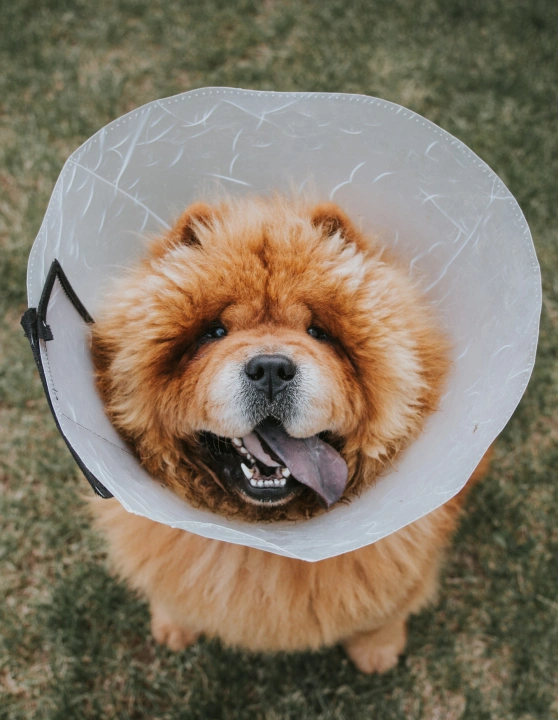
- Protective collars to prevent licking at the surgical site
- Prescribed medications for comfort and healing
- Follow-up visits to monitor recovery progress
Our team remains available to answer questions and guide pet owners throughout the recovery period.
Surgical Care for Dogs in Palmetto Bay and Nearby Communities
South Kendall Animal Hospital provides surgical care for dogs living throughout Palmetto Bay, Miami, South Miami, Homestead, Cutler Bay, Coral Gables, Pinecrest, and Coconut Grove. Our team focuses on careful surgical planning, attentive monitoring, and compassionate care for every canine patient.
If your dog has been diagnosed with a condition that may require surgical treatment, our team is here to discuss available options for dog surgery and guide you on the next steps for your pet’s health. Contact us today to book your appointment for a complete checkup and to discuss whether your cat may need surgery.
Frequently Asked Questions
Most dogs need limited activity during the recovery period. Running, jumping, or rough play may be restricted for a period recommended by your veterinarian.
Symptoms such as swelling, excessive bleeding, vomiting, or unusual lethargy may indicate a complication. Contact a veterinarian if you notice any unusual changes during recovery.
Follow-up visits allow veterinarians to examine the surgical site and monitor healing. These visits help confirm that recovery is progressing as expected.
Age alone does not prevent a dog from having surgery. Veterinarians perform pre-surgical evaluations to determine whether a senior dog is healthy enough for anesthesia and surgical treatment.
Veterinarians may use sutures, staples, or surgical glue to close incisions. The choice depends on the type of procedure and the location of the incision.
Dogs sometimes swallow items that cannot pass through the digestive system. Surgery may be required to remove the object and prevent internal injury safely.
Yes, orthopedic surgery may be recommended to repair ligament injuries, particularly those affecting the knee joint. Surgical correction helps restore mobility and stability.