14201 South Dixie Highway, Palmetto Bay, FL 33176

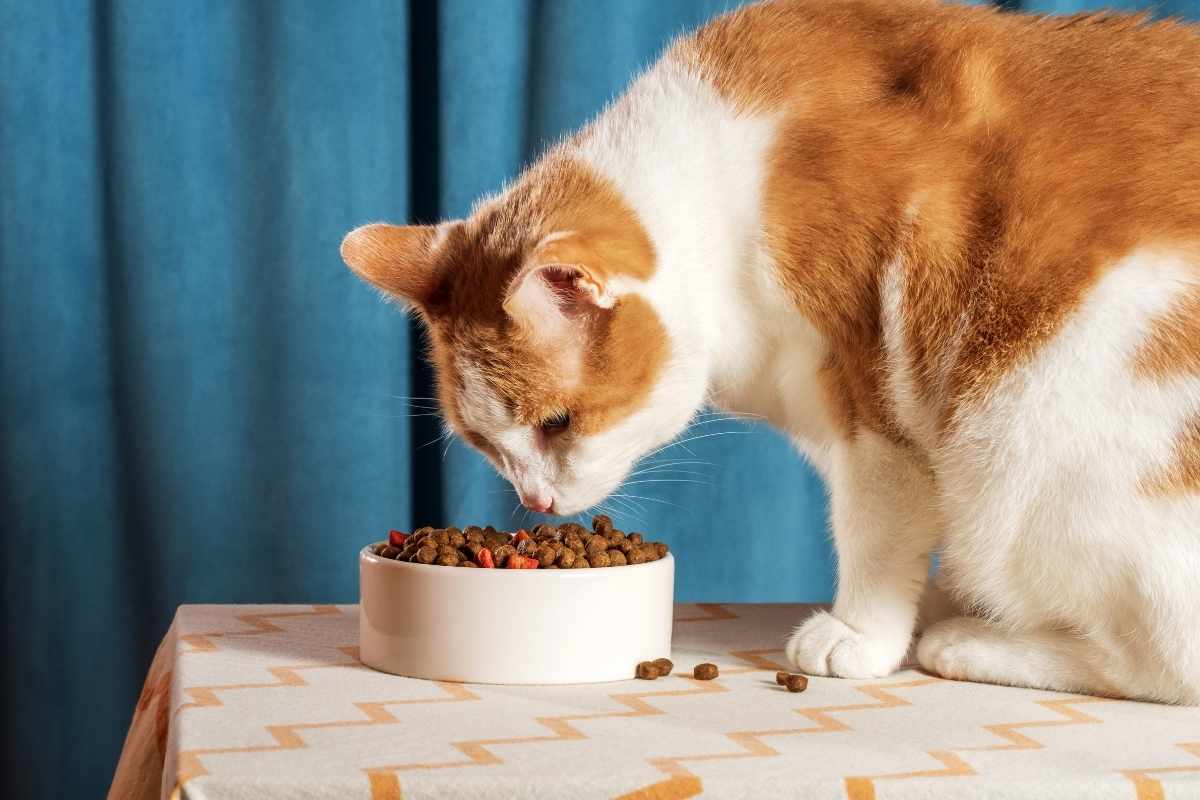
Caring for an aging cat is an important responsibility that requires attention to diet, lifestyle, and routine health monitoring. At South Kendall Animal Hospital, we understand how meaningful your feline companion is and how their needs change as they grow older. Although many cats remain playful well into their later years, their metabolism, digestion, and energy levels naturally slow down over time. Because of this, nutrition becomes one of the most important factors affecting their comfort and longevity. Choosing the best dry food for senior cats involves more than simply buying a bag labeled “mature” or “aging formula.” Instead, it requires understanding ingredients, portion control, and your cat’s specific health conditions. This guide explains how proper nutrition supports aging cats and helps owners make confident feeding decisions, especially for families in Palmetto Bay, FL.
Why Nutrition Changes Matter in Older Cats
As cats age, their bodies process nutrients differently. For example, muscle mass gradually decreases, and kidney function may decline. Consequently, the wrong diet can lead to weight gain, dehydration, or chronic disease progression.
Older cats often experience:
- Reduced activity levels
- Slower metabolism
- Dental sensitivity
- Digestive changes
- Increased risk of kidney or joint disease
Therefore, the best dry food for senior cats should support organ health while maintaining ideal body weight.
Key Nutrients to Look For
1. High-Quality Protein
First, aging cats still require protein to maintain lean muscle. However, the protein source must be digestible. Look for named animal proteins such as chicken, turkey, or fish listed as the first ingredient. Adequate protein helps preserve strength and mobility.
2. Controlled Phosphorus
Kidney health becomes a concern as cats age. Diets with moderate phosphorus levels help reduce kidney strain. This is especially important if your veterinarian has mentioned early kidney changes.
3. Omega-3 Fatty Acids
Omega-3 fatty acids support joints, skin, and brain function. Additionally, they help reduce inflammation, which benefits cats with arthritis or stiffness.
4. Fiber for Digestion
Because digestive efficiency declines, added fiber supports bowel regularity. Ingredients like beet pulp or pumpkin can improve stool quality and comfort.
5. Added Moisture Support
Although dry food contains less water, some senior formulas include sodium-controlled nutrients that encourage drinking. Fresh water availability is equally important.
Ingredients You Should Avoid
While selecting the best dry food for senior cats, pay close attention to ingredient labels. Avoid foods that contain:
- Excessive fillers like corn gluten or wheat middlings
- Artificial dyes or preservatives
- Excess sodium
- Unspecified meat by-products
These ingredients can contribute to obesity, digestive upset, or organ stress in aging cats.
Portion Control and Feeding Schedule
Even healthy food can cause problems if overfed. Older cats burn fewer calories; therefore, portion control becomes essential. Rather than free-feeding, measured meals twice daily work best.
Additionally, consistency helps prevent digestive upset. Sudden diet changes may cause vomiting or diarrhea, so transition gradually over 7–10 days by mixing old and new food.
Dental Health and Dry Food
Dry kibble sometimes helps reduce plaque buildup. However, it does not replace dental care. Many older cats develop dental disease that makes chewing uncomfortable. If your cat drops food or eats slowly, a dental evaluation may be necessary.
You can also soften kibble slightly with warm water to improve comfort while maintaining balanced nutrition.
Common Health Conditions Influenced by Diet
Kidney Disease
A proper diet slows progression by controlling phosphorus and sodium levels.
Arthritis
Joint-support nutrients, including glucosamine and omega-3s, can improve mobility.
Obesity
Lower-calorie formulas prevent weight gain and reduce pressure on joints.
Diabetes Risk
Balanced carbohydrates and protein help regulate blood sugar levels.
Because each cat differs, veterinarians may recommend individualized feeding plans.
Tips for Transitioning to a Senior Diet
Changing food should be gradual and gentle.
- Mix 25% new food with 75% old food for two days.
- Increase to a 50/50 mix for the next three days.
- Move to 75% new food.
- Feed 100% new food after one week.
Meanwhile, monitor appetite, stool consistency, and hydration. If vomiting or refusal occurs, slow the transition.
Monitoring Weight and Hydration
Weigh your cat monthly if possible. Even small weight changes can signal health issues. Also, check water intake. Increased thirst may indicate kidney disease or diabetes and should be evaluated.
Regular veterinary checkups help detect problems early and ensure dietary adjustments are effective.
Supporting Long-Term Comfort
Beyond diet, aging cats benefit from environmental changes:
- Provide soft bedding
- Keep litter boxes easily accessible
- Use low-entry litter boxes
- Maintain a quiet resting space
Together, nutrition and environment significantly improve the quality of life.
Feeding an older cat requires thoughtful choices and careful observation. By selecting balanced ingredients, controlling portions, and monitoring health changes, you can help your cat stay comfortable and active for years to come. If you have concerns or questions about your cat’s diet, feel free to contact us at South Kendall Animal Hospital. We are here to provide guidance and support every step of the way.
If you are in Palmetto Bay, FL, and looking for a veterinarian near you, book an appointment with South Kendall Animal Hospital today to discuss your cat’s nutritional needs and long-term wellness plan.
FAQs
Q1. When should I switch my cat to a senior diet?
Ans. Usually around age 10, though your veterinarian may recommend earlier depending on health.
Q2. Is dry food safe for older cats?
Ans. Yes, if it is high-quality and nutritionally balanced. Always provide plenty of fresh water.
Q3. Can senior cats eat kitten food?
Ans. No. Kitten food is higher in calories and fat, which may lead to weight gain.
Q4. How much should I feed daily?
Ans. Follow the feeding guide on the package and adjust based on weight and activity.
Q5. What if my cat refuses new food?
Ans. Introduce it gradually and try warming the food slightly to improve the aroma.
Q6. Should I combine wet and dry food?
Ans. Yes, many cats benefit from mixed feeding because it increases moisture intake while maintaining dental benefits.