14201 South Dixie Highway, Palmetto Bay, FL 33176

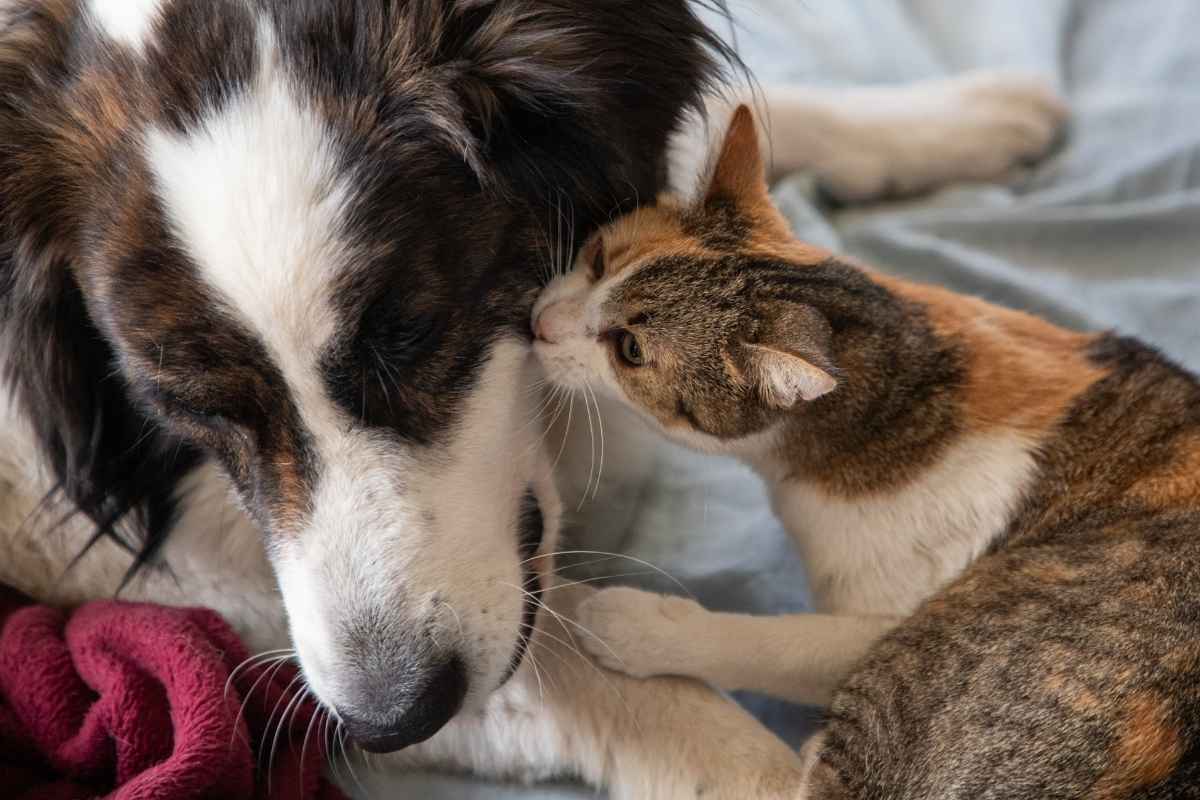
Our beloved furry companions bring us endless joy, loyalty, and unconditional love. However, as dogs and cats age, their bodies undergo significant changes that can lead to a variety of health challenges. Just like humans, senior pets require extra attention, regular veterinary checkups, and proactive care to maintain their quality of life.
Understanding the most common health issues in senior dogs and cats empowers you to recognize early warning signs and seek timely treatment. Whether your aging dog struggles to climb stairs or your older cat has started drinking more water than usual, these subtle changes often signal underlying conditions that deserve immediate attention. At South Kendall Animal Hospital, we are passionate about helping pet owners navigate the complexities of senior pet care. This blog is especially dedicated to pet owners in Palmetto Bay, FL, who want to keep their aging companions happy, healthy, and comfortable for years to come.
1. Arthritis and Joint Pain in the Legs and Hips
One of the most prevalent health issues in senior dogs and cats involves their joints, particularly in the legs, hips, and knees. Osteoarthritis develops when the cartilage cushioning the joints gradually wears down, causing pain, stiffness, and inflammation.
Consequently, you may notice your senior dog limping after walks or hesitating before jumping onto furniture. Similarly, older cats may stop climbing their favorite perches or become reluctant to use the litter box if the sides are too high.
To manage joint pain effectively, your veterinarian may recommend anti-inflammatory medications, joint supplements containing glucosamine and chondroitin, weight management programs, and physical therapy. Furthermore, providing orthopedic pet beds and ramps around the house can significantly improve your pet’s daily comfort.
2. Dental Disease Affecting the Teeth and Gums
Dental disease ranks among the most overlooked yet critically important health concerns in aging pets. By the time dogs and cats reach their senior years, many suffer from plaque buildup, gingivitis, and periodontal disease that affects their teeth, gums, and jaw bones.
Moreover, bacteria from infected gums can enter the bloodstream and damage vital organs, including the heart, kidneys, and liver. Therefore, regular dental cleanings and at-home oral care are essential components of senior pet care.
Watch for telltale signs such as bad breath, drooling, difficulty chewing, bleeding gums, and loose or missing teeth. If you notice any of these symptoms, schedule a dental examination at South Kendall Animal Hospital right away.
3. Kidney Disease and Urinary Tract Problems
Chronic kidney disease affects the kidneys and represents one of the leading causes of illness in senior cats. Additionally, older dogs frequently develop kidney issues that compromise their ability to filter toxins from the blood.
As a result, you may observe increased thirst, frequent urination, weight loss, decreased appetite, and vomiting. Because kidney disease progresses gradually, early detection through routine blood work and urinalysis proves crucial for slowing its advancement.
In addition, senior pets often experience urinary tract infections that affect the bladder and urethra. These infections cause painful urination, accidents in the house, and blood in the urine. Prompt veterinary treatment with antibiotics and dietary adjustments helps resolve these uncomfortable conditions.
4. Heart Disease and Cardiovascular Issues
Heart disease affects the heart and blood vessels in both senior dogs and cats, although it manifests differently in each species. Dogs commonly develop valvular disease, where the heart valves deteriorate and fail to close properly. Meanwhile, cats frequently suffer from hypertrophic cardiomyopathy, a condition that causes the heart muscle walls to thicken abnormally.
Subsequently, symptoms may include coughing, labored breathing, exercise intolerance, lethargy, and fainting episodes. Because heart disease can progress silently, routine cardiac screenings—including chest X-rays and echocardiograms—play a vital role in early detection and management.
5. Vision and Eye Problems
As pets age, their eyes become increasingly vulnerable to various conditions. Cataracts cloud the lens of the eye, gradually reducing vision until blindness occurs. Glaucoma increases pressure within the eyeball, causing severe pain and potential vision loss if left untreated.
Additionally, older dogs and cats may develop dry eye syndrome, which affects the cornea and surrounding tissues. You should watch for cloudiness, redness, excessive tearing, bumping into objects, and sensitivity to light. Early intervention from a veterinary ophthalmologist can preserve your pet’s remaining vision and alleviate discomfort.
6. Hearing Loss Affecting the Ears
Gradual hearing loss commonly affects the ears and inner ear structures of senior dogs and cats. The delicate hair cells within the ear canal deteriorate over time, leading to partial or complete deafness.
Consequently, your pet may stop responding to verbal commands, startle easily when touched, or sleep more deeply than usual. Although hearing loss itself is typically irreversible, you can adapt by using hand signals, vibrating collars, and visual cues to communicate effectively with your aging companion.
7. Cognitive Dysfunction and Brain Health
Cognitive dysfunction syndrome (CDS) affects the brain and nervous system of senior pets, closely resembling dementia in humans. This condition results from physical changes in the brain tissue, including the accumulation of abnormal proteins.
As a result, affected dogs and cats may display disorientation, confusion, changes in sleep-wake cycles, house soiling, decreased interaction with family members, and aimless wandering. Fortunately, certain medications, dietary supplements rich in omega-3 fatty acids, environmental enrichment, and mental stimulation exercises can help slow cognitive decline.
8. Cancer and Tumor Growth
Cancer remains one of the most serious health issues in senior dogs and cats. Tumors can develop in virtually any part of the body, including the skin, bones, liver, spleen, lungs, and mammary glands.
Therefore, you should regularly examine your pet’s body for unusual lumps, bumps, or swelling. Other warning signs include unexplained weight loss, persistent lameness, non-healing wounds, abnormal discharge, and difficulty breathing or swallowing. Early diagnosis dramatically improves treatment outcomes, so never delay seeking veterinary attention when something feels wrong.
9. Obesity and Its Impact on the Entire Body
Excess weight places tremendous strain on your senior pet’s entire body. Obesity stresses the joints, heart, lungs, and liver while increasing the risk of diabetes, respiratory problems, and certain cancers.
Moreover, overweight pets experience reduced mobility, decreased energy levels, and a significantly shortened lifespan. Managing your senior pet’s weight through portion-controlled feeding, low-calorie diets, and gentle exercise routines protects their overall health and enhances their golden years.
10. Skin and Coat Changes
Aging takes a visible toll on the skin and coat of senior dogs and cats. You may notice thinning fur, dry or flaky skin, increased shedding, and the development of lumps or growths on the skin surface.
Furthermore, older pets become more susceptible to skin infections, hot spots, and allergic reactions. Regular grooming, omega fatty acid supplements, and medicated shampoos help maintain healthy skin and a lustrous coat throughout your pet’s senior years.
If you are in Palmetto Bay, FL, and looking for a trusted veterinarian near you, South Kendall Animal Hospital is here to provide compassionate, comprehensive care for your aging furry companion. Our experienced team understands the unique challenges that come with caring for senior dogs and cats, and we are committed to helping your pet thrive during their golden years.
Book an appointment with South Kendall Animal Hospital today and give your senior pet the expert care they deserve. Call us or visit our website to schedule your pet’s wellness exam—because every moment with your beloved companion matters.
Frequently Asked Questions:
Q1. At what age is a dog or cat considered a senior?
Ans. Dogs are usually seniors around age 7, though large breeds may age earlier (5–6 years). Cats generally reach senior status around 10–11 years, depending on health and breed.
Q2. What are the earliest signs of health issues in senior dogs and cats?
Ans. Early signs include low energy, increased thirst, appetite changes, stiffness, bad breath, and behavior changes. Contact your veterinarian if you notice these symptoms.
Q3. How often should senior pets visit the veterinarian?
Ans. Senior pets should have wellness exams at least twice a year. Pets with ongoing conditions may need more frequent checkups.
Q4. Can diet help prevent health issues in aging pets?
Ans. Yes. A balanced senior diet supports weight control, joint health, kidney function, and skin and coat health. Your veterinarian can recommend the best option.
Q5. Is it normal for senior pets to lose their hearing or vision?
Ans. Gradual hearing and vision loss are common with age. However, a veterinarian should check for treatable causes and offer safety tips.
Q6. What can I do at home to improve my senior pet’s quality of life?
Ans. Provide soft bedding, gentle exercise, dental care, a consistent routine, and a high-quality senior diet, along with plenty of attention and comfort.