14201 South Dixie Highway, Palmetto Bay, FL 33176

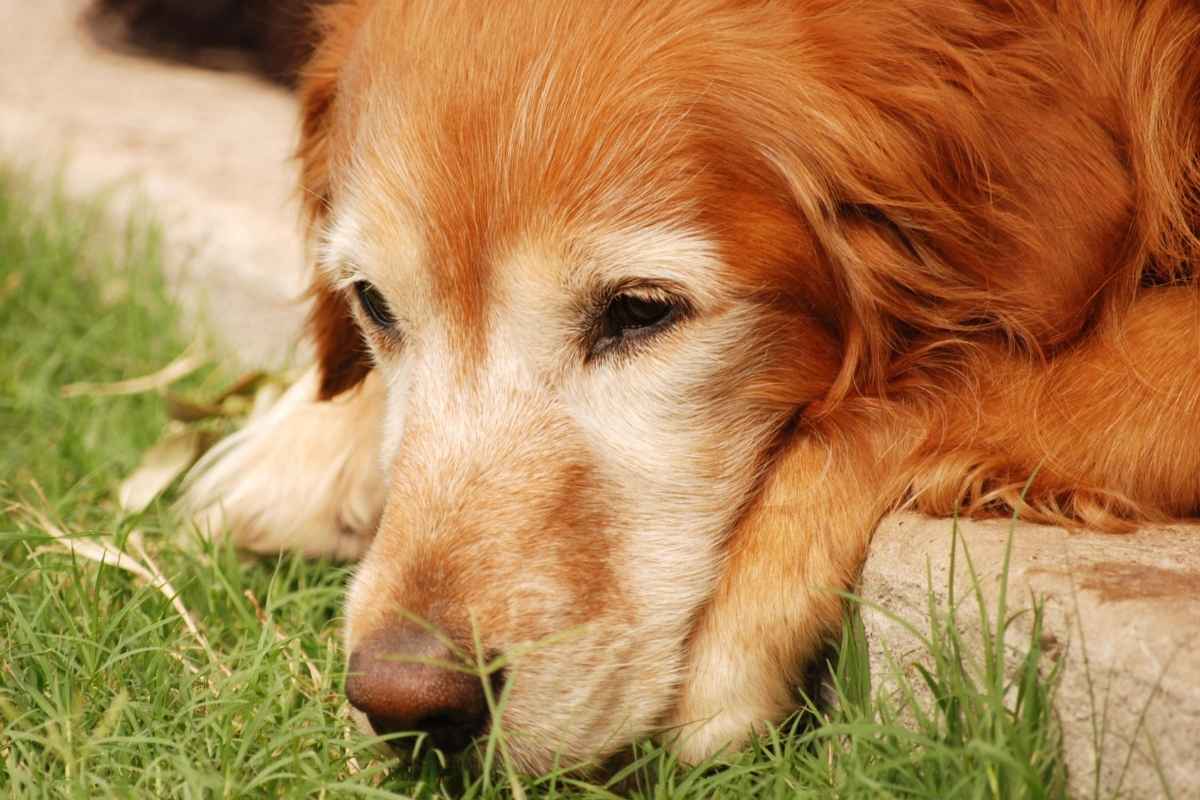
There is something incredibly special about the bond we share with a senior pet. The gray muzzles, the cloudy eyes, and the slower pace are all badges of honor for a life well-lived by your side. However, caring for an aging dog or cat comes with a unique set of challenges. As pets age, their bodies become more fragile, and their ability to “bounce back” from illness diminishes.
For many owners, the line between “normal aging” and a medical crisis can be blurry. Is your dog sleeping more because they are old, or because they are in pain? Is your cat hiding because they are grumpy, or because they are ill? Knowing the difference is critical. Understanding senior pet emergencies and recognizing the subtle warning signs can be the difference between a treatable issue and a tragic loss.
Why Senior Pets are Different
To understand emergencies in older pets, you must understand their physiology. Puppies and kittens have a lot of “physiological reserve.” This means their organs can handle a bit of stress—like a bout of diarrhea or a minor infection—and recover quickly.
Senior pets, however, have reduced organ function. Their kidneys, heart, and liver are often working at a lower capacity. A minor issue, such as a missed meal or a day of mild dehydration, can cascade into a major crisis much faster than it would in a younger animal. Therefore, the “wait and see” approach is rarely safe for geriatric pets.
Critical Warning Signs You Should Never Ignore
While every pet is different, there are specific symptoms that always warrant an immediate trip to the veterinarian, especially in older animals.
1. Difficulty Breathing (Dyspnea)
If your senior dog is panting heavily while resting, or your cat is breathing with their mouth open, this is a red alert. In seniors, this often signals heart failure (fluid in the lungs) or a respiratory infection. Watch for a “heaving” abdomen or stretching the neck out to get air.
2. Sudden Collapse or Weakness
If your pet collapses, even if they get up a minute later and seem fine, they need to be seen. This is often caused by a heart arrhythmia (syncope) or internal bleeding from a ruptured tumor (such as hemangiosarcoma). Sudden inability to stand, particularly in the hind legs, can also indicate a neurological emergency.
3. A Distended or “Bloated” Abdomen
If your dog’s belly suddenly looks round, tight, like a drum, or painful to the touch, go to the vet immediately. This could be Gastric Dilatation-Volvulus (GDV or Bloat), which is fatal within hours without surgery. In other cases, a slow-growing distended belly may indicate heart failure or fluid retention (ascites).
4. Seizures or Sudden Disorientation
Senior pets are prone to a condition called Idiopathic Vestibular Disease (often called “old dog stroke”). Symptoms include a sudden head tilt, falling over, rapid eye movement, and vomiting. While Vestibular Disease itself is often recoverable, the symptoms mimic a stroke or brain tumor, so immediate diagnosis is required.
5. Pale Gums
Lift your pet’s lip. The gums should be a healthy pink. If they are pale white, gray, or blue, your pet is either in shock or losing blood internally. This is common in senior dogs with splenic tumors and requires emergency intervention.
6. Changes in Thirst and Urination
If your senior pet is suddenly drinking the water bowl dry or asking to go out constantly, do not ignore it. This can signal acute kidney failure, a diabetic crisis, or a severe uterine infection (Pyometra) in unspayed females.
The Danger of “Just Old Age”
The most dangerous phrase in a pet owner’s vocabulary is, “He’s just slowing down.” Pain in animals is often silent. They do not cry out; they withdraw.
A senior dog who stops greeting you at the door or a cat that stops jumping on the counter may be suffering from severe arthritis or metabolic disease. If a behavior changes suddenly, assume it is medical, not behavioral, until proven otherwise.
Finding Trusted Care in Your Area
When you are caring for a geriatric animal, your relationship with your veterinarian becomes a partnership. You need a team that understands the nuances of aging bodies and can offer swift diagnostics when time is of the essence.
If you are looking for compassionate senior pet care in Palmetto Bay, FL, it is vital to choose a clinic that prioritizes geriatric wellness and emergency triage. The heat and humidity in our area can be particularly hard on older pets with heart or respiratory issues, making local expertise invaluable.
For families who want to ensure their aging companions receive the highest standard of medical attention, South Kendall Animal Hospital is dedicated to guiding you through your pet’s golden years with expertise and empathy.
Frequently Asked Questions:
Q1: Is it an emergency if my senior dog stops eating?
Ans: Yes. While a young dog might skip a meal and be fine, a senior pet cannot afford to miss meals. Anorexia in seniors can lead to dehydration and organ stress within 24 hours.
Q2: What is the most common emergency in old dogs?
Ans: Heart failure and complications from undiagnosed tumors (internal bleeding) are among the most common life-threatening emergencies we see in geriatric canines.
Q3: My old dog is panting at night; is he just hot?
Ans: Likely not. Nighttime panting and pacing are classic signs of pain (often arthritis) or anxiety related to cognitive dysfunction (dementia). It can also indicate heart disease. It warrants a vet visit.
Q4: Can a senior pet undergo emergency surgery safely?
Ans: Yes. Age is not a disease. With proper pre-surgical blood work and tailored anesthesia monitoring, many senior pets undergo successful emergency surgeries and recover well.
Q5: What should I do if my senior pet suddenly becomes blind?
Ans: Seek immediate care. Sudden blindness can be caused by detached retinas due to high blood pressure (hypertension), which is common in cats with kidney disease. Treating the blood pressure may save their vision.
Q6: How do I transport a large, collapsed dog to the vet?
Ans: Use a heavy blanket as a stretcher. Gently roll the dog onto the blanket, and with the help of a second person, lift the corners to move them to the car without